PCOS and Fertility: A Comprehensive Guide to Understanding and Managing Polycystic Ovary Syndrome


Understanding PCOS and Its Impact on Fertility
Polycystic ovary syndrome, commonly known as PCOS, is the most common hormonal disorder affecting women of reproductive age, impacting approximately 8 to 13 percent of women worldwide. It is also one of the leading causes of ovulatory infertility, yet with the right management approach, most women with PCOS can conceive successfully. Understanding the condition is the first step toward taking control of your fertility journey.
PCOS is characterised by three main features, and you need at least two for a diagnosis: irregular or absent ovulation, elevated androgen, or male hormone, levels, and polycystic-appearing ovaries on ultrasound. The exact cause is not fully understood, but insulin resistance plays a central role in many cases. Up to 70 percent of women with PCOS have some degree of insulin resistance, which drives excess androgen production and disrupts normal ovulation. This creates a cycle where hormonal imbalance further impairs ovulation, making conception more challenging.
How PCOS Affects Ovulation and Conception
❤️ Support Your Fertility Journey
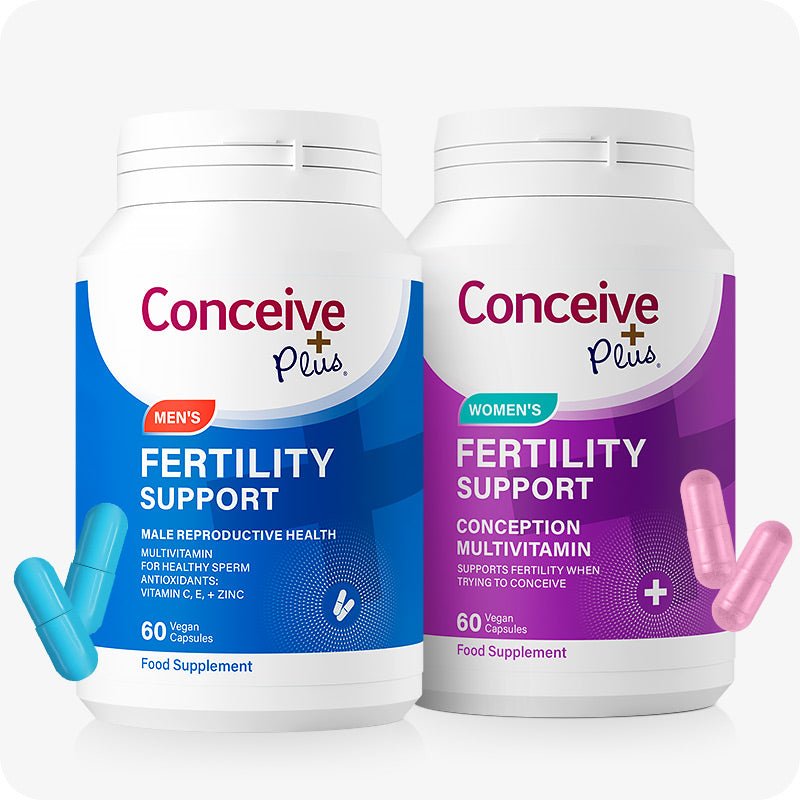
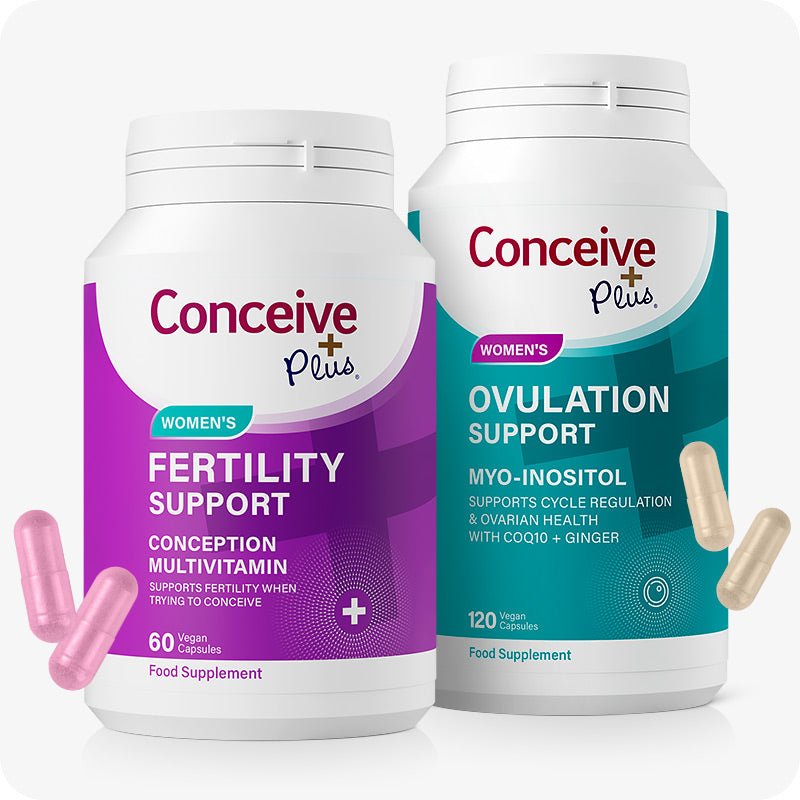
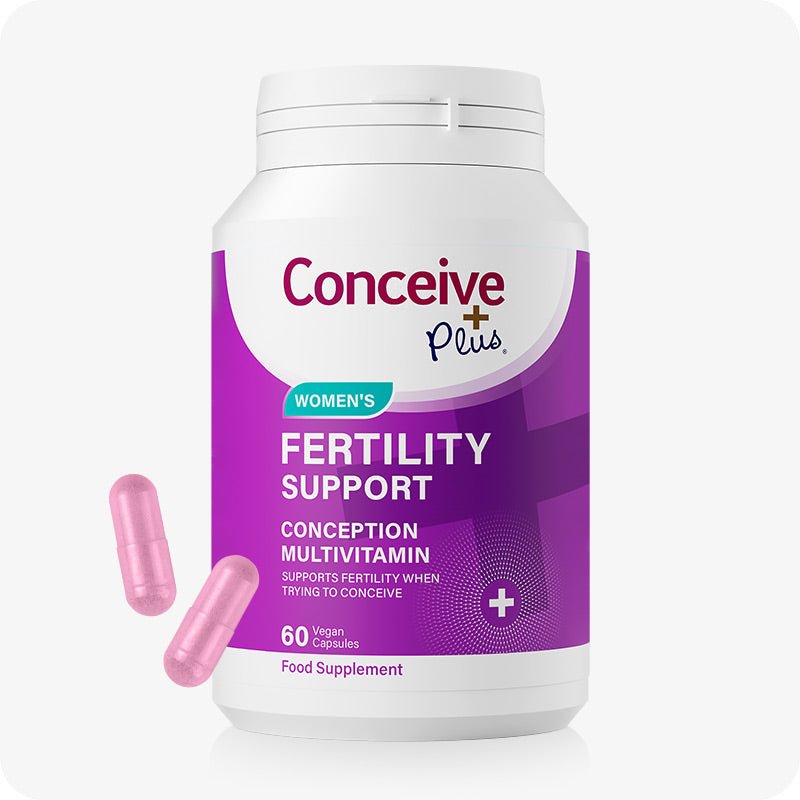
scientifically formulated with myo-inositol, methylfolate, CoQ10, vitamin D3, and zinc to support ovulation, egg quality, and hormonal balance. Learn more about Conceive Plus Women’s Fertility Support →
In a normal menstrual cycle, a follicle in the ovary matures, releases an egg at ovulation, and the corpus luteum produces progesterone to support a potential pregnancy. In PCOS, hormonal imbalances prevent this process from occurring regularly. Multiple small follicles develop but none reach maturity, resulting in infrequent or absent ovulation. This does not mean pregnancy is impossible, it means timing becomes more challenging and interventions may be needed to support regular ovulation.
The hormonal disruption in PCOS goes beyond just ovulation. Elevated insulin levels can directly affect the ovaries, while high androgen levels can impair egg quality and the development of a healthy endometrial lining. Many women with PCOS also experience metabolic symptoms such as weight gain, fatigue, and difficulty losing weight, which can compound fertility challenges. However, with appropriate treatment tailored to your specific situation, pregnancy rates in women with PCOS are generally excellent.
It is also worth noting that PCOS exists on a spectrum. Some women have very mild symptoms and conceive with minimal intervention, while others require more comprehensive treatment. Your individual experience will depend on factors including your age, weight, insulin resistance status, and how the condition specifically manifests in your body.
Diagnosis and Assessment of PCOS
PCOS is diagnosed using the Rotterdam criteria, which require two of the following three features. Irregular or absent ovulation is typically the most noticeable symptom and the one most directly related to fertility. Clinical or biochemical signs of hyperandrogenism include elevated testosterone levels on blood work or physical signs like excess facial or body hair, acne, or male-pattern hair loss. Polycystic ovaries on ultrasound show 12 or more follicles per ovary or an ovarian volume greater than 10 millilitres.
Before diagnosing PCOS, your doctor should rule out other conditions that can mimic its symptoms. These include thyroid disorders, elevated prolactin levels, and non-classic adrenal hyperplasia. Blood tests for thyroid function, prolactin, 17-hydroxyprogesterone, and a full hormone panel are typically part of the diagnostic workup. An ultrasound is essential for assessing ovarian appearance and ruling out other ovarian abnormalities.
Treatment Approaches for PCOS-Related Infertility
Lifestyle modification: For women with PCOS who are overweight or have insulin resistance, losing even 5 to 10 percent of body weight can restore ovulation in many cases. This is one of the most effective interventions available and has the added benefit of improving overall health. A low-glycaemic diet rich in fibre, lean protein, and healthy fats, combined with regular exercise, improves insulin sensitivity and hormonal balance. Weight loss can be challenging with PCOS due to insulin resistance, so working with a dietitian who understands the condition can be very helpful.
Ovulation induction: Letrozole is now considered the first-line medication for ovulation induction in PCOS, having outperformed clomiphene citrate in live birth rates according to major clinical trials. Letrozole is taken for 5 days early in the cycle and works by reducing oestrogen production, which triggers the brain to produce more FSH and stimulate follicle development. It has fewer side effects and lower multiple pregnancy rates than clomiphene.
Metformin: This insulin-sensitising medication can improve ovulation rates in women with PCOS, particularly those with insulin resistance. It is sometimes used alone or in combination with letrozole to enhance response. Metformin also helps with weight management and may reduce the risk of miscarriage in women with PCOS.
IVF: For women who do not respond to oral medications or have additional fertility factors, IVF with careful protocol management offers excellent outcomes. Because women with PCOS may produce many follicles during stimulation, careful monitoring is essential to prevent ovarian hyperstimulation syndrome. Fertility specialists experienced with PCOS can design protocols that maximise success while minimising risks.
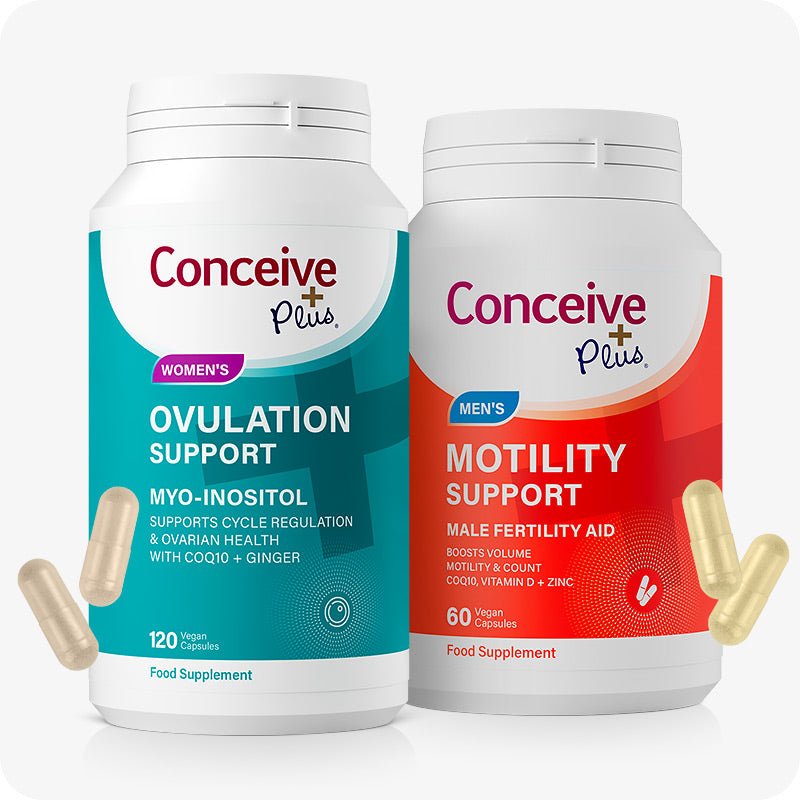
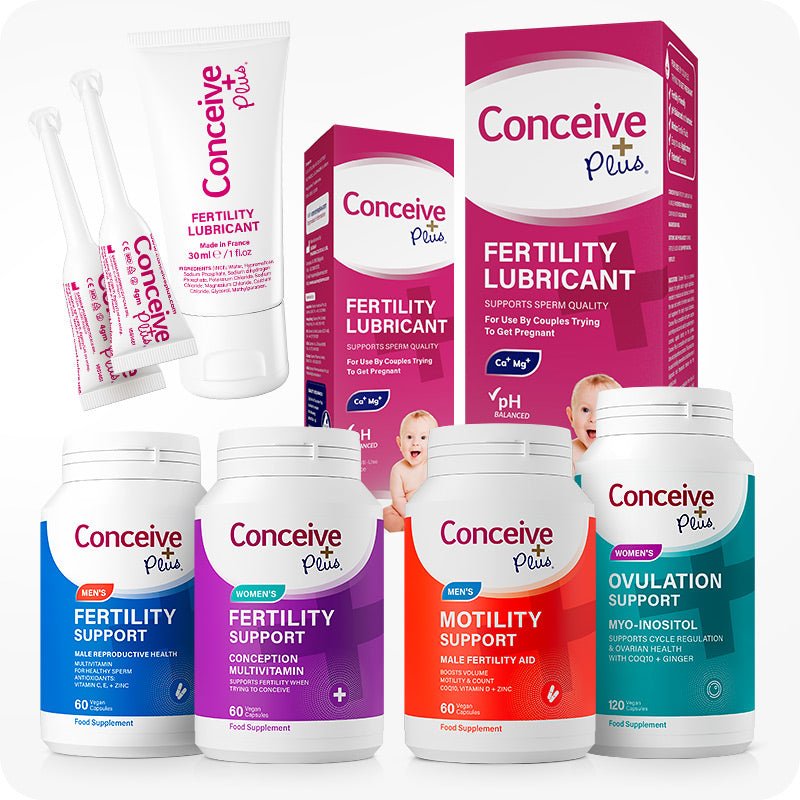
Supporting your body with targeted nutrition is essential throughout treatment. Conceive Plus Women Fertility Support provides myo-inositol, which has been extensively studied for PCOS, along with folic acid, CoQ10, vitamin D, and zinc. These nutrients work synergistically to support hormonal balance and egg quality.
The Science Behind Myo-Inositol for PCOS
Myo-inositol has emerged as one of the most evidence-backed supplements for PCOS. This naturally occurring compound acts as a second messenger in insulin signalling pathways, helping to improve insulin sensitivity at the cellular level. Research published in reputable journals including Gynecological Endocrinology and the European Review for Medical and Pharmacological Sciences has shown that myo-inositol supplementation improves insulin sensitivity, reduces androgen levels, and restores ovulation in many women with PCOS.
The typical therapeutic dose is 4 grams daily, sometimes combined with D-chiro-inositol in a 40 to 1 ratio, which mirrors the natural ratio found in healthy ovarian tissue. Studies suggest that this combination may be more effective than myo-inositol alone for improving egg quality and ovulation rates in women with PCOS.
Lifestyle Strategies for Managing PCOS
Beyond medical treatment, several lifestyle strategies can help manage PCOS symptoms and support fertility. A balanced diet focused on whole foods with a low glycaemic index helps stabilise blood sugar and insulin levels. Regular physical activity, including both aerobic exercise and resistance training, improves insulin sensitivity and supports healthy weight management.
Stress management is particularly important for women with PCOS because stress elevates cortisol, which can further disrupt hormonal balance and worsen insulin resistance. Practices like yoga, meditation, and adequate sleep all play important roles in managing the condition holistically.
Frequently Asked Questions
- Can I get pregnant with PCOS? Yes, most women with PCOS conceive with appropriate treatment and support. The outlook is generally excellent.
- Does PCOS get worse with age? Symptoms may change over time, but fertility treatments remain effective. PCOS symptoms often improve after menopause.
- Is weight loss necessary? Even 5 percent weight loss can restore ovulation in overweight women with PCOS, making it a powerful first-line intervention.
- Does letrozole work for PCOS? Yes, it is now the first-line ovulation induction medication for PCOS, with higher live birth rates than clomiphene.
- Is IVF effective for PCOS? Yes, though careful monitoring is needed to prevent OHSS. Success rates are generally good with appropriate protocols.
- What supplements help PCOS? Myo-inositol, folic acid, vitamin D, and omega-3 fatty acids show strong evidence for supporting PCOS management.
- Does diet matter for PCOS? Yes, a low-glycaemic diet improves insulin sensitivity significantly, which is the root cause of many PCOS symptoms.
- Can stress affect PCOS? Yes, stress elevates cortisol and can worsen hormonal imbalance and insulin resistance.
- Does exercise help PCOS? Yes, both aerobic and resistance training improve insulin sensitivity and support hormonal balance.
- When should I see a fertility specialist? If you have irregular periods and are trying to conceive, seek help early rather than waiting the full year.
❤️ Support Your Fertility Journey
scientifically formulated with myo-inositol, methylfolate, CoQ10, vitamin D3, and zinc to support ovulation, egg quality, and hormonal balance. Learn more about Conceive Plus Women’s Fertility Support →