Sperm Health and Male Fertility: The Complete Guide for Men Trying to Conceive


Sperm Health and Male Fertility: The Complete Guide for Men Trying to Conceive
When a couple struggles to conceive, the focus often defaults to the woman — her cycles, her hormones, her reproductive health. But the data tells a different story. Male factor infertility is a contributing cause in approximately 40–50% of all infertility cases, and sole male factor (where male infertility is the only identified cause) accounts for roughly 20–30%. Yet male fertility remains one of the most underdiscussed and under-investigated aspects of the TTC journey.
This guide changes that. Here, we cover everything men need to know about sperm health — how it's measured, what affects it, how to improve it, and what medical options exist when natural optimisation isn't enough. Because when you're trying to conceive, male fertility isn't a secondary concern. It's equal.
Understanding Sperm: The Basics of Male Fertility
Sperm is produced continuously in the testes in a process called spermatogenesis. Each spermatogenic cycle takes approximately 74 days, with an additional 2–3 weeks for sperm maturation in the epididymis. This means that the sperm you ejaculate today reflect the health choices you made roughly 3 months ago — a critical point for men working to improve their fertility.
When a semen analysis is performed, the following parameters are assessed against WHO 2021 reference values:
- Total sperm count: ≥39 million per ejaculate (normal)
- Sperm concentration: ≥16 million per mL
- Total motility: ≥42% (sperm moving in any direction)
- Progressive motility: ≥30% (sperm moving forward effectively)
- Morphology (strict Kruger criteria): ≥4% normal forms
- Vitality: ≥54% live sperm
- Volume: ≥1.4 mL per ejaculate
Values below these reference ranges indicate potential male factor contributing to reduced fertility. However, it's important to note that these are population reference values — many men with parameters below these thresholds still conceive naturally, and the clinical significance depends on the degree of abnormality and the interaction with female fertility factors.
Beyond standard parameters, DNA fragmentation testing measures the percentage of sperm with damaged genetic material. Elevated DNA fragmentation (above 15–25% depending on the test used) is associated with reduced natural conception rates, higher miscarriage risk, and poorer IVF outcomes. DNA fragmentation isn't part of a standard semen analysis but is increasingly recommended by fertility specialists when standard parameters are normal but conception isn't occurring.
What Affects Sperm Quality? Key Risk Factors for Male Fertility
Sperm quality is remarkably sensitive to external conditions. This is both the challenge and the opportunity — the conditions that damage sperm can often be modified. Here are the most important factors:
Heat: The testes are located outside the body for a reason — sperm production requires a temperature 2–3°C below core body temperature. Scrotal hyperthermia (elevated testicular temperature) from hot baths, saunas, tight underwear, laptop heat, or occupational exposure significantly impairs spermatogenesis. Research shows regular sauna use can reduce sperm count by up to 50%; the effect is reversible but takes 3–6 months to fully recover.
Oxidative Stress: Sperm are particularly vulnerable to reactive oxygen species (free radicals) due to their high polyunsaturated fat content and limited antioxidant defences. Sources of oxidative stress include cigarette smoke, environmental pollutants, alcohol, psychological stress, infection, and varicocele (a varicose vein in the scrotum). Antioxidant supplementation and lifestyle modification reduce oxidative damage to sperm DNA and membranes.
Smoking: Multiple meta-analyses confirm that smoking reduces sperm count, motility, and morphology, and increases DNA fragmentation. The effect is dose-dependent — the more cigarettes, the greater the damage. Quitting smoking improves sperm parameters, though recovery is gradual over 3+ months.
Alcohol: Heavy alcohol consumption reduces testosterone, impairs spermatogenesis, and reduces sperm quality. Even moderate alcohol intake has been associated with reduced semen quality in some studies, though the clinical significance of moderate use is debated.
Anabolic Steroids and Performance Enhancers: Exogenous testosterone (including anabolic steroids) shuts down the hypothalamic-pituitary axis controlling sperm production. Many men who have used anabolic steroids experience azoospermia (no sperm in ejaculate) or severe oligospermia (very low count). Recovery can take months to years; in some cases, suppression is permanent. SARMs, prohormones, and testosterone boosters can have similar effects.
Obesity: Excess adipose tissue converts testosterone to oestrogen, disrupting the hormonal balance critical for spermatogenesis. Obese men have significantly lower sperm counts, poorer motility, and higher DNA fragmentation compared to men at healthy weights. Weight loss improves all sperm parameters.
Age: While male fertility decline is more gradual than female reproductive ageing, sperm quality does deteriorate with age. After 40, sperm motility, morphology, and DNA integrity progressively decline. Men over 45 have significantly higher rates of de novo genetic mutations in their sperm. This matters for both conception time and offspring health.
Support male fertility with Conceive Plus. Shop Conceive Plus EU — men's fertility supplements, fertility lubricant, and prenatal vitamins for couples trying to conceive.
Nutrition for Male Fertility: What to Eat (and Avoid) for Better Sperm
The relationship between diet and sperm quality is well-established. The Mediterranean dietary pattern consistently shows the strongest association with better sperm parameters in epidemiological research — characterised by high intake of plant foods, olive oil, fish, and legumes, with limited red meat and processed foods.
Foods that support sperm health:
- Leafy greens and vegetables: Rich in folate, antioxidants (vitamin C, E, beta-carotene), and zinc; folate is essential for sperm DNA synthesis
- Oily fish (salmon, mackerel, sardines): High in omega-3 DHA, which is concentrated in sperm membranes and essential for motility and morphology
- Nuts (especially walnuts): A landmark 2012 study in Biology of Reproduction found that adding 75g of walnuts daily for 12 weeks significantly improved motility, morphology, and vitality
- Oysters and shellfish: Among the richest dietary sources of zinc, essential for testosterone production and sperm formation
- Tomatoes (cooked): Lycopene, particularly abundant in cooked tomatoes, reduces sperm DNA oxidative damage; associated with improved morphology in clinical studies
- Dark chocolate: Contains L-arginine, an amino acid that supports sperm count and motility (in moderation)
- Pomegranate juice: Powerful antioxidant shown to improve sperm quality in animal and preliminary human studies
Foods to limit or avoid:
- Processed meats (associated with poorer morphology)
- Trans fats (found in many processed and fried foods; associated with lower sperm count)
- High-soy diets (soy isoflavones have weak oestrogen-like activity; heavy consumption may affect sperm parameters)
- High-fat dairy (some studies suggest association with poorer motility)
- Alcohol in excess
Supplements for Male Fertility: The Evidence-Based Guide
The supplement market for male fertility is large and variable in quality. Here's an honest assessment of what the evidence supports:
CoQ10 (Coenzyme Q10): The most extensively studied male fertility supplement. CoQ10 is an antioxidant essential for mitochondrial energy production in sperm flagella (the tail that drives motility). Multiple randomised controlled trials show CoQ10 supplementation (200–300 mg/day) significantly improves sperm motility and concentration. A 2015 Cochrane review found improvements in motility and morphology, with some evidence of increased pregnancy rates. Ubiquinol form has better bioavailability than ubiquinone.
Vitamin C: A primary aqueous antioxidant in seminal plasma. Studies show vitamin C supplementation (500–1000 mg/day) reduces sperm DNA fragmentation and improves motility in infertile men. Food sources (citrus, peppers, berries) contribute significantly but supplementation achieves higher seminal concentrations.
Vitamin E: Works synergistically with vitamin C as a fat-soluble antioxidant, protecting sperm membranes from lipid peroxidation. Combined vitamin C + E supplementation shows stronger effects on sperm DNA fragmentation than either alone.
Zinc: Essential for testosterone synthesis, sperm formation, and the outer membrane of the sperm head. Zinc deficiency is associated with reduced testosterone, sperm count, and motility. Supplementation in deficient men produces meaningful improvements. Oysters are the richest dietary source; supplementation should not exceed 40 mg/day (the tolerable upper limit) without medical supervision.
Selenium: A trace mineral incorporated into sperm structural proteins (selenoprotein P and GPX5). Selenium deficiency impairs sperm motility and morphology. Supplementation at 100–200 mcg/day improves motility in deficient men; Brazil nuts are one of the richest food sources (1–2 per day provides adequate selenium).
L-Carnitine / Acetyl-L-Carnitine: Critical for sperm energy metabolism during maturation in the epididymis. Multiple studies show L-carnitine and acetyl-L-carnitine improve sperm count, motility, and in some studies, morphology. Particularly beneficial in men with asthenospermia (low motility). Standard dose is 2–3g/day.
Lycopene: Naturally concentrated in testicular tissue, lycopene reduces oxidative damage to sperm DNA. A systematic review found lycopene supplementation improved sperm concentration and motility, with one study showing a 70% increase in sperm count in men with idiopathic infertility.
Folic Acid: Essential for DNA synthesis including during spermatogenesis. Combined with zinc, one landmark study showed folic acid + zinc increased total sperm count by 74% in subfertile men. Standard dose 400–800 mcg/day.
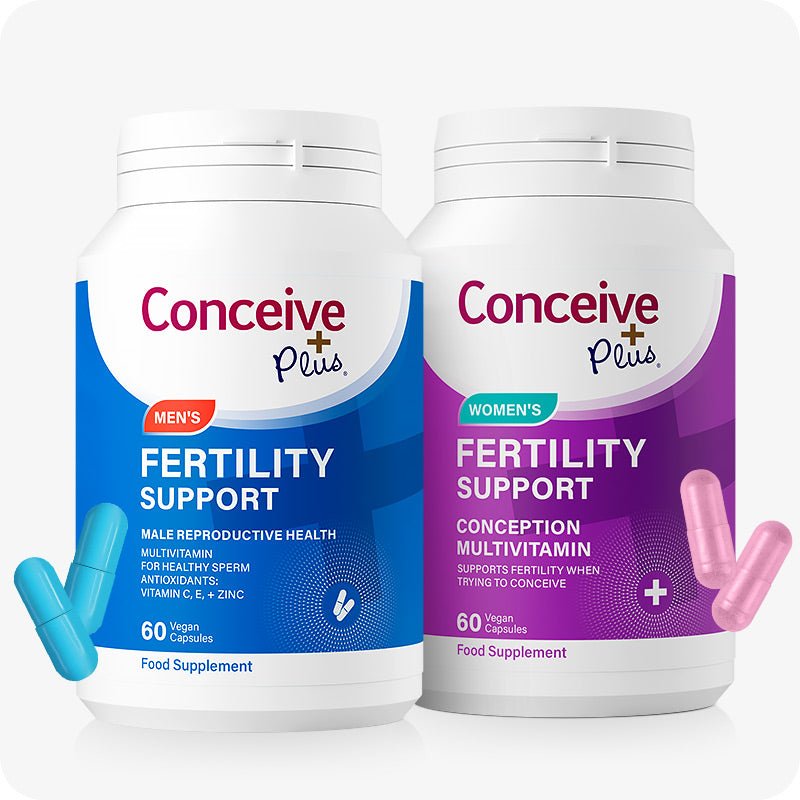
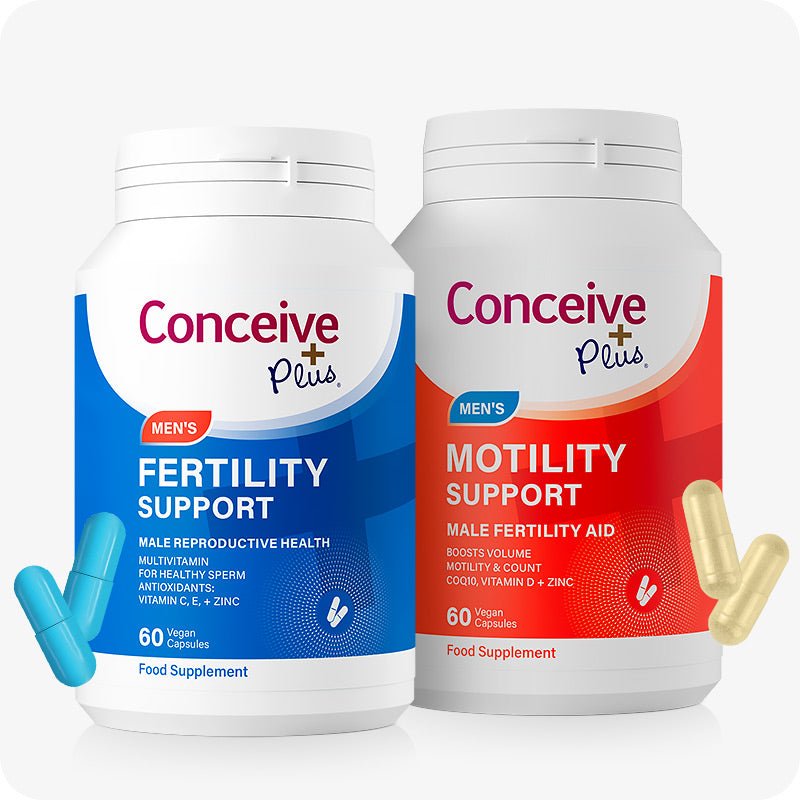
Conceive Plus Men's Fertility Support provides a comprehensive blend of these evidence-backed nutrients — CoQ10, L-carnitine, zinc, selenium, lycopene, vitamin C and E — in a single daily supplement formulated specifically for the preconception phase.
When to Get a Semen Analysis
The recommendation is clear: when a couple is having difficulty conceiving, male fertility investigation should happen simultaneously with female investigations — not as an afterthought after all female factors have been ruled out. A semen analysis is non-invasive, relatively inexpensive, and provides immediately actionable information.
When to request a semen analysis:
- After 12 months of regular unprotected intercourse without conception (6 months if partner is over 35)
- Immediately if there are known male risk factors: varicocele, previous STI, testicular trauma, undescended testes, previous cancer treatment
- If you've had previous successful conceptions but are having difficulty in subsequent cycles
- As a proactive baseline measure if you want to understand your fertility status before or during TTC
What to expect from a semen analysis:
- 2–5 days of sexual abstinence before the sample (longer abstinence paradoxically reduces quality)
- Sample produced via masturbation into a sterile container, ideally at the clinic
- Results typically within 24–48 hours
- If abnormal: repeat analysis after 6–8 weeks (semen parameters are variable; a single abnormal result needs confirmation)
Medical Treatments for Male Infertility
When natural optimisation isn't sufficient, several medical pathways exist:
Varicocele treatment: Varicocele (varicose veins of the scrotum, present in ~15% of men and ~40% of infertile men) is the most common correctable cause of male infertility. Varicocelectomy (surgical or radiological embolisation) consistently improves sperm parameters and natural conception rates in men with clinical varicocele and abnormal semen analysis.
Hormonal treatment: Men with hypogonadism (low testosterone due to pituitary or hypothalamic dysfunction) can benefit from gonadotrophin treatment (hCG, FSH injections) to stimulate spermatogenesis. Men on exogenous testosterone replacement therapy (TRT) for hypogonadism must switch to gonadotrophins while trying to conceive, as TRT itself shuts down sperm production.
IUI (Intrauterine Insemination): Appropriate for mild male factor (reduced count or motility). Processed sperm is inserted directly into the uterus around ovulation. Success rates per cycle are modest (10–20%) but cumulative over 3–6 cycles are reasonable for mild factor.
IVF/ICSI (Intracytoplasmic Sperm Injection): ICSI — where a single sperm is injected directly into an egg — is the standard treatment for significant male factor infertility. It bypasses most natural sperm function requirements, making it effective even with very poor parameters or surgically retrieved sperm.
Surgical sperm retrieval: For men with azoospermia (no sperm in ejaculate), sperm can often be retrieved directly from the testes (TESE/TESA) or epididymis (PESA) for use in ICSI. Even in cases of non-obstructive azoospermia, sperm retrieval is successful in approximately 50% of cases.
Fertility-Safe Lubricant: The Male Fertility Consideration Most Couples Miss
Standard personal lubricants — including products many couples use without considering their fertility implications — are demonstrably harmful to sperm. Studies show that KY Jelly, Astroglide, and even saliva can reduce sperm motility by 60–100% and increase DNA fragmentation.
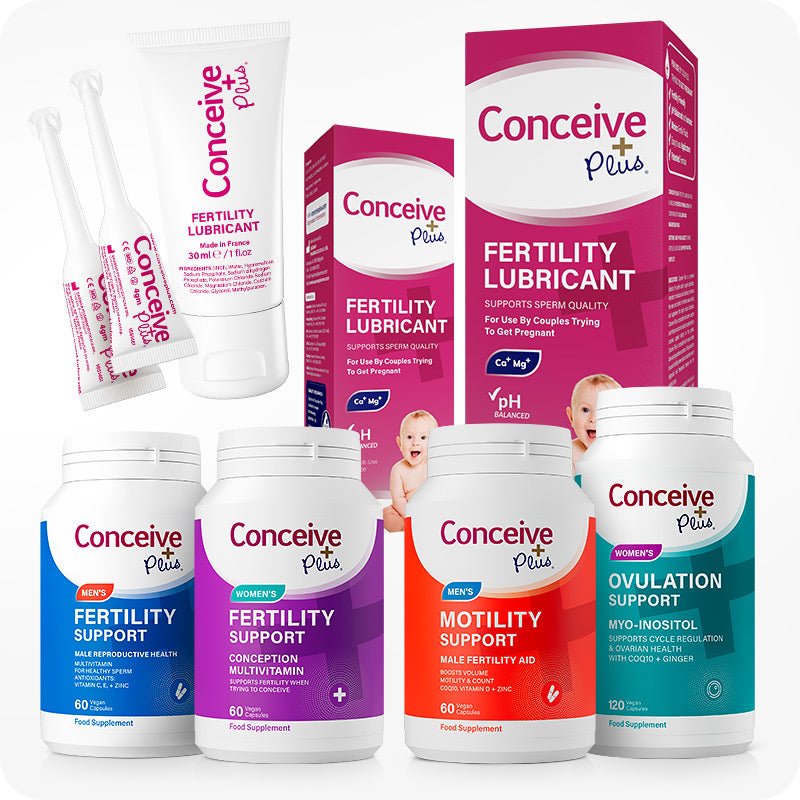
When you're working hard to optimise sperm quality through diet, supplements, and lifestyle, the last thing you want is to introduce a product during intercourse that actively kills the sperm you've spent months improving. Conceive Plus Fertility Lubricant is specifically formulated to be sperm-safe — pH balanced to match fertile cervical mucus, isotonic, and enriched with calcium and magnesium ions that support (not hinder) sperm motility. It's the lubricant choice that respects your male fertility work.
Frequently Asked Questions: Male Fertility and Sperm Health
Q: How long does it take to improve sperm quality?
A: One full sperm production cycle takes approximately 74 days, plus 2–3 weeks of maturation. Meaningful improvements from lifestyle changes and supplementation typically take 3–6 months to fully manifest in semen analysis results.
Q: Can tight underwear really affect fertility?
A: Scrotal temperature elevation from tight underwear has been shown to increase testicular temperature, which can impair spermatogenesis. Switching to boxer-style underwear is a simple, low-risk intervention with potential benefit.
Q: Is one normal semen analysis sufficient?
A: One normal result is reassuring but not definitively complete, as semen quality varies between samples. If the initial analysis is abnormal, a repeat analysis after 6–8 weeks is essential before making clinical decisions.
Q: Does age affect male fertility?
A: Yes. After 40, sperm motility, morphology, and DNA integrity decline progressively. Advanced paternal age (particularly over 45) is associated with increased de novo mutations and increased risk of certain developmental conditions in offspring.
Q: Can men take Conceive Plus fertility supplements?
A: Yes — Conceive Plus Men's Fertility Support is specifically formulated for men trying to conceive, providing evidence-backed nutrients including CoQ10, L-carnitine, zinc, selenium, and antioxidant vitamins.
Q: What is DNA fragmentation and should I test for it?
A: DNA fragmentation measures the percentage of sperm with damaged genetic material. Elevated levels are associated with reduced conception rates and higher miscarriage risk. Consider testing if standard parameters are normal but conception isn't occurring, or if recurrent miscarriage has occurred.
Q: Does stress affect sperm quality?
A: Yes — chronic psychological stress increases cortisol and oxidative stress, both of which negatively affect sperm parameters. Stress management, adequate sleep, and antioxidant supplementation help mitigate this.
Q: Is it safe to take supplements and have a semen analysis on the same day?
A: Yes. Supplements don't interfere with semen analysis results. Abstinence period (2–5 days) has much more impact on the analysis than any supplement you're taking.
Give male fertility the attention it deserves. Explore Conceive Plus EU — men's fertility supplements, fertility-safe lubricant, and complete TTC support for couples in Europe.