Timing Intercourse for Conception: Your Complete Guide to Maximising Your Fertile Window


Timing Intercourse for Conception: Your Complete Guide to Maximising Your Fertile Window
When it comes to natural conception, timing is everything. Understanding your cycle and knowing exactly when to have intercourse can dramatically increase your chances of pregnancy each month. This comprehensive guide covers everything you need to know about timing intercourse for conception, from understanding your fertile window to choosing the best tracking methods for your lifestyle.
Each menstrual cycle offers only a narrow window of opportunity. The fertile window spans approximately six days - the five days before ovulation plus the day of ovulation itself. Sperm can survive up to five days in fertile-quality cervical mucus, while an egg remains viable for only 12 to 24 hours after release. This means intercourse before ovulation allows sperm to be ready and waiting when the egg is released.
Understanding Your Fertile Window
The probability of conception rises from approximately 0 percent six days before ovulation to a peak of 20-30 percent on the day of ovulation itself for healthy couples. Having intercourse during the three days leading up to ovulation offers the highest chances of pregnancy each cycle. This small window represents your opportunity each month, and knowing when it occurs is the single most important factor in timing intercourse effectively.
Understanding your fertile window can reduce the pressure of trying to conceive. Rather than feeling the need for daily intercourse all month, you can focus on the days that truly matter. This targeted approach improves your chances while maintaining intimacy and reducing stress.
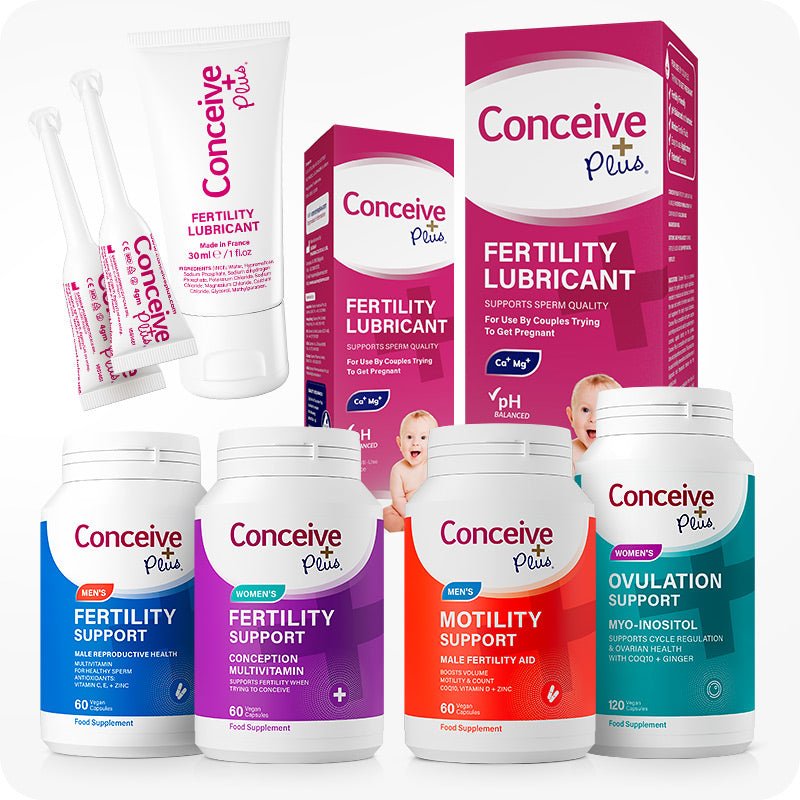
Supporting your fertile window with Conceive Plus Fertility Lubricant ensures the most supportive environment for sperm to reach the egg.
Methods for Tracking Ovulation
Cervical Mucus Tracking
As estrogen rises before ovulation, cervical mucus becomes clear, slippery, and stretchy - resembling raw egg whites. This signals that ovulation is imminent. Intercourse on days with fertile-quality mucus significantly increases pregnancy rates because the mucus supports sperm survival and guides them toward the cervix.
Ovulation Predictor Kits
OPKs detect the LH surge that occurs 24-36 hours before ovulation. A positive result means ovulation is approaching - have intercourse that day and the next. Digital OPKs are easier to interpret than traditional line-based tests and remove subjectivity from the process.
Basal Body Temperature Charting
BBT rises by 0.2 to 0.5 degrees Celsius after ovulation due to progesterone. While it confirms ovulation rather than predicting it, tracking over several months helps you understand your personal cycle patterns. Best used with another predictive method like cervical mucus tracking or OPKs.
Fertility Tracking Apps
Apps can identify patterns but are not always accurate for prediction. Studies show app-predicted fertile windows align with actual ovulation only 20-50 percent of the time. Use them as a convenient recording tool, but combine with at least one physiological tracking method for reliable results.
How Often to Have Intercourse
Every one to two days during the fertile window ensures fresh, healthy sperm are always present. Daily intercourse is safe for most couples and may slightly improve pregnancy rates compared to every-other-day. Outside the fertile window, let intimacy remain spontaneous to reduce pressure.
Consistency and Patience
Even perfectly timed intercourse results in pregnancy only 20-30 percent of the time per cycle for healthy couples. Several months of optimal timing may be needed before achieving pregnancy. If you have been timing correctly for 6-12 months without success (depending on age), consult a fertility specialist.
Frequently Asked Questions
1. Can I get pregnant outside my fertile window?
No. Pregnancy can only occur during the fertile window - the five days before ovulation through ovulation day itself.
2. How long does sperm live inside the body?
Up to 5 days in fertile-quality cervical mucus. Much shorter in non-fertile mucus.
3. Does position matter for conception?
No position has been proven superior. Sperm reach the cervix within seconds regardless of position.
4. Should I stay lying down after intercourse?
Staying lying down for 10-15 minutes may slightly improve pregnancy rates, but elevating legs is unnecessary.
5. Can stress affect ovulation timing?
Yes. High stress can delay or suppress ovulation. Stress management is an important part of fertility health.
6. Can I get pregnant from intercourse during my period?
Unlikely but possible with short cycles and early ovulation, as sperm can survive up to 5 days.
7. How accurate are ovulation apps?
Studies show app-predicted fertile windows align with actual ovulation only 20-50 percent of the time.
8. Does age affect the fertile window?
Older women may have shorter fertile windows and less predictable ovulation. Tracking becomes more important with age.
9. Can I use OPKs while on fertility medication?
Some fertility medications can cause false positives. Discuss tracking methods with your fertility specialist.
10. What if I have irregular cycles?
Cervical mucus tracking and OPKs are particularly useful for irregular cycles. Consider consulting a specialist if cycles are consistently irregular.
Bottom Line
Mastering your timing is one of the most powerful tools for natural conception. Combine tracking methods, focus on the fertile window, and stay patient - pregnancy takes time even with perfect timing. With the right approach, you give yourself the best possible chance each month.
Support your fertile window with Conceive Plus Fertility Lubricant - clinically proven sperm-safe and isotonic with fertile cervical mucus.