The Fertility Diet: Evidence-Based Nutrition Strategies to Boost Your Chances of Conception


The relationship between nutrition and fertility is one of the most thoroughly researched areas of reproductive medicine. An extensive body of evidence — including landmark studies from Harvard's Nurses' Health Study, the PREDIMED-Plus trial, and numerous randomised controlled trials — demonstrates that dietary choices meaningfully affect both female and male fertility across multiple biological mechanisms.
For couples in Europe trying to conceive, understanding the evidence behind the fertility diet offers a practical, actionable set of interventions that can support conception. This guide reviews the research comprehensively — covering the Mediterranean diet's evidence base, specific nutrients and foods with meaningful fertility impact, and the foods and dietary patterns most associated with impaired reproduction.
The Mediterranean Diet: The Gold Standard for Fertility Nutrition
Of all the dietary patterns studied in the context of fertility, the Mediterranean diet has the most robust and consistent body of evidence. Characterised by high consumption of vegetables, legumes, whole grains, olive oil, fish, nuts, and moderate fruit — with limited red meat, processed foods, and refined carbohydrates — the Mediterranean diet supports fertility through multiple interconnected mechanisms.
A prospective study of 2,659 women in the Netherlands found that women with high adherence to a Mediterranean-style diet had a 40% higher probability of successful pregnancy following IVF compared to women with low adherence — even after adjusting for age, BMI, education, smoking, and other confounders. The study defined high adherence as consuming frequent fish, vegetables, legumes, and vegetable oils while limiting meat and sweet drinks.
In men, a 2020 study in the Journal of Clinical Medicine found that adherence to a Mediterranean diet was positively associated with total sperm count, progressive motility, and sperm morphology (the percentage of normally shaped sperm). The protective associations were strongest for antioxidant-rich foods — vegetables, olive oil, and fish.
Optimise Your Body for Conception
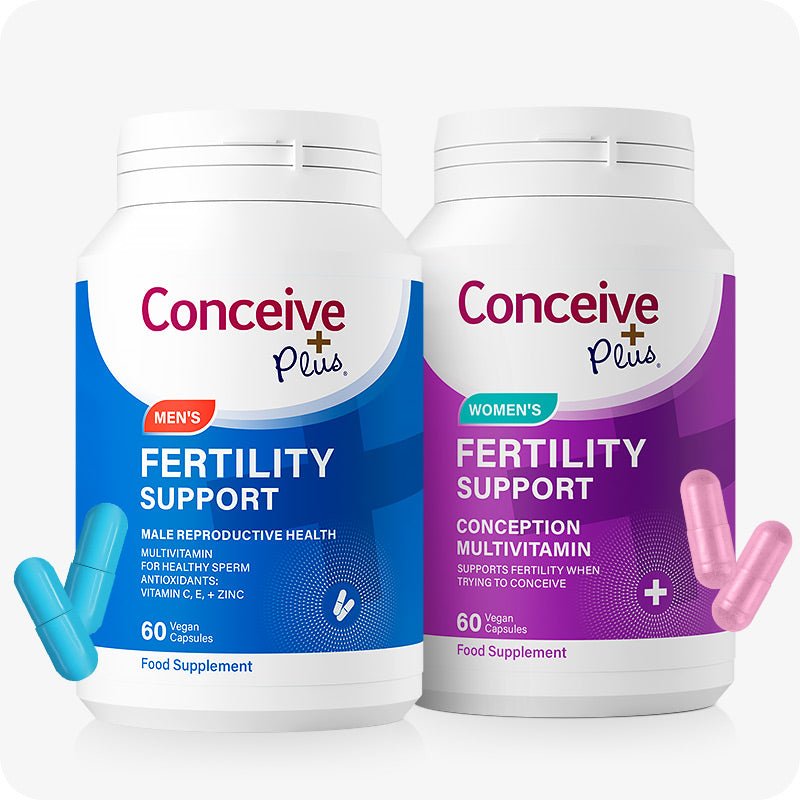
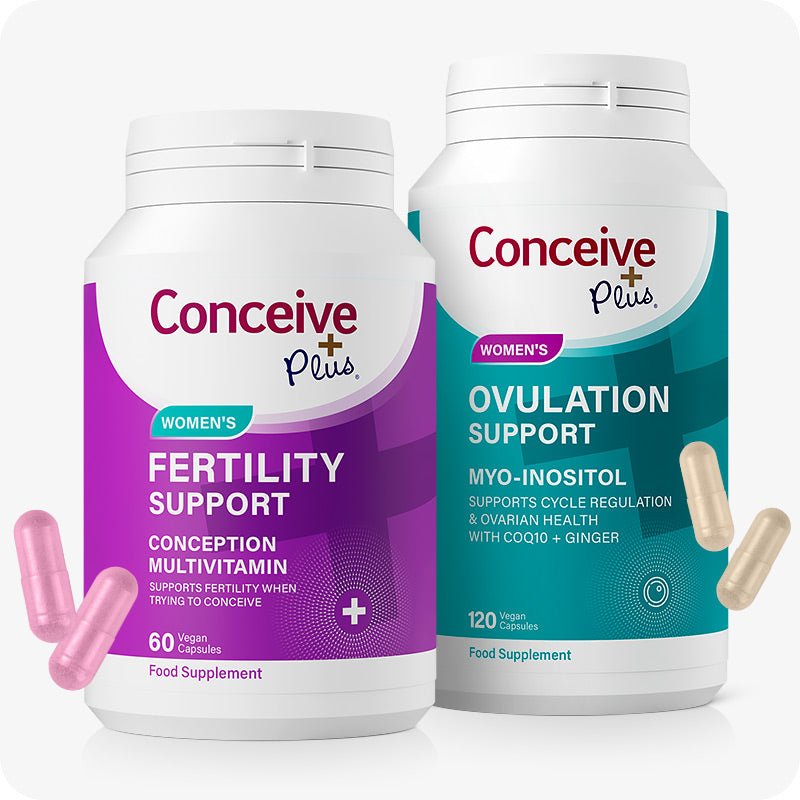
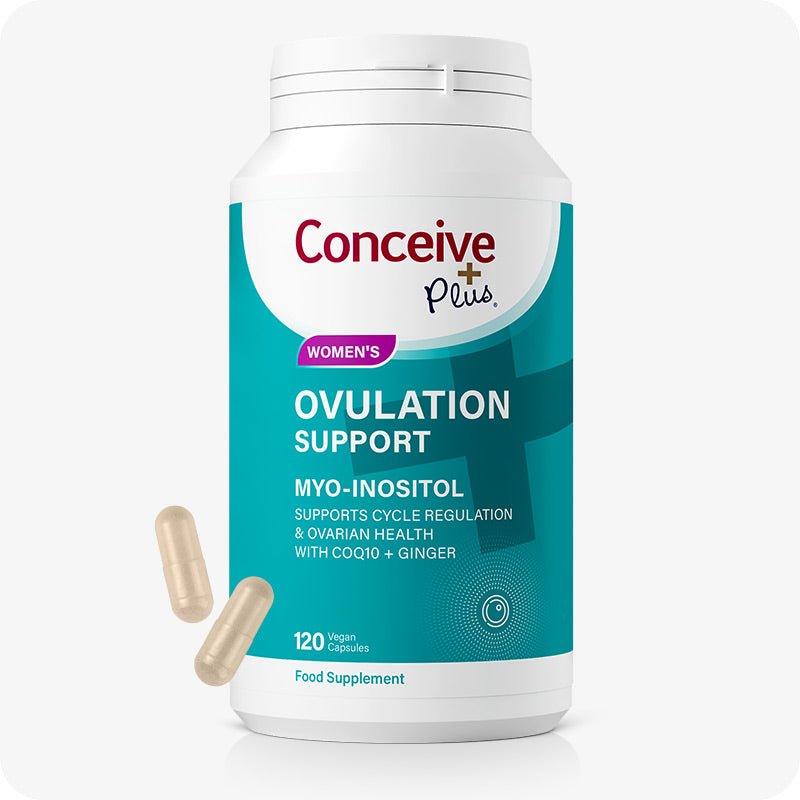
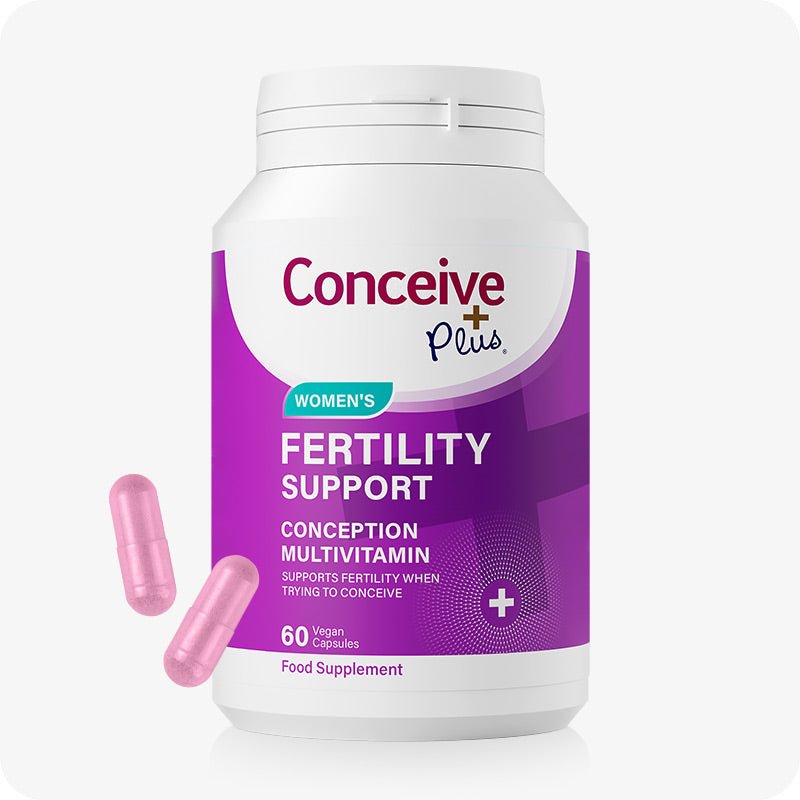
Conceive Plus Women's Fertility Support provides the evidence-based nutrients your body needs for healthy ovulation and egg quality — including methylfolate, myo-inositol, CoQ10, vitamin D3, and zinc — all in clinically meaningful doses.
Key Fertility Nutrients and Their Dietary Sources
Folate: Perhaps the most well-established fertility nutrient, folate is essential for DNA synthesis and cell division. In women, adequate folate before and during early pregnancy reduces the risk of neural tube defects and is associated with better egg quality. In men, folate supports DNA integrity in developing sperm. The richest dietary sources of folate are dark leafy greens (spinach, rocket, kale), legumes (lentils, chickpeas, black beans), fortified grains, and liver. However, for women of reproductive age, supplementation with methylfolate (the bioavailable form) is recommended in addition to dietary intake.
Antioxidants: Oxidative stress — an imbalance between reactive oxygen species (free radicals) and antioxidant defences — is implicated in reduced egg quality, impaired ovulation, sperm DNA damage, and endometrial dysfunction. The major dietary antioxidants relevant to fertility include:
- Vitamin C (citrus fruits, bell peppers, kiwi, strawberries, broccoli)
- Vitamin E (almonds, hazelnuts, sunflower seeds, avocado, spinach)
- Selenium (Brazil nuts, sardines, eggs, sunflower seeds)
- Zinc (oysters, red meat, pumpkin seeds, legumes, nuts)
- Lycopene (cooked tomatoes, watermelon, pink grapefruit)
- Beta-carotene (carrots, sweet potatoes, squash, leafy greens)
Omega-3 Fatty Acids: Long-chain omega-3s (EPA and DHA) are anti-inflammatory, support cell membrane integrity in oocytes, and improve endometrial blood flow. Higher omega-3 intake is associated with better IVF outcomes. Fatty fish (salmon, mackerel, sardines, anchovies) is the richest source. For women who do not eat fish, algae-based omega-3 supplements provide DHA without mercury exposure concerns.
Iron: Non-haem iron (from plant sources) consumed with vitamin C has been associated in the Nurses' Health Study with a lower risk of ovulatory infertility. Good sources include lentils, dark leafy greens, fortified cereals, tofu, and pumpkin seeds. Note that haem iron (from red meat) at high intake may actually be associated with increased ovulatory infertility risk.
Iodine: Iodine is essential for thyroid hormone synthesis, and thyroid function is closely linked to menstrual regularity, ovulatory function, and early pregnancy maintenance. Iodine deficiency — common in parts of central Europe — can contribute to subclinical hypothyroidism that impairs fertility. Sources: dairy products, fish, seafood, iodised salt, eggs.
A Complete Fertility Support System for Both Partners
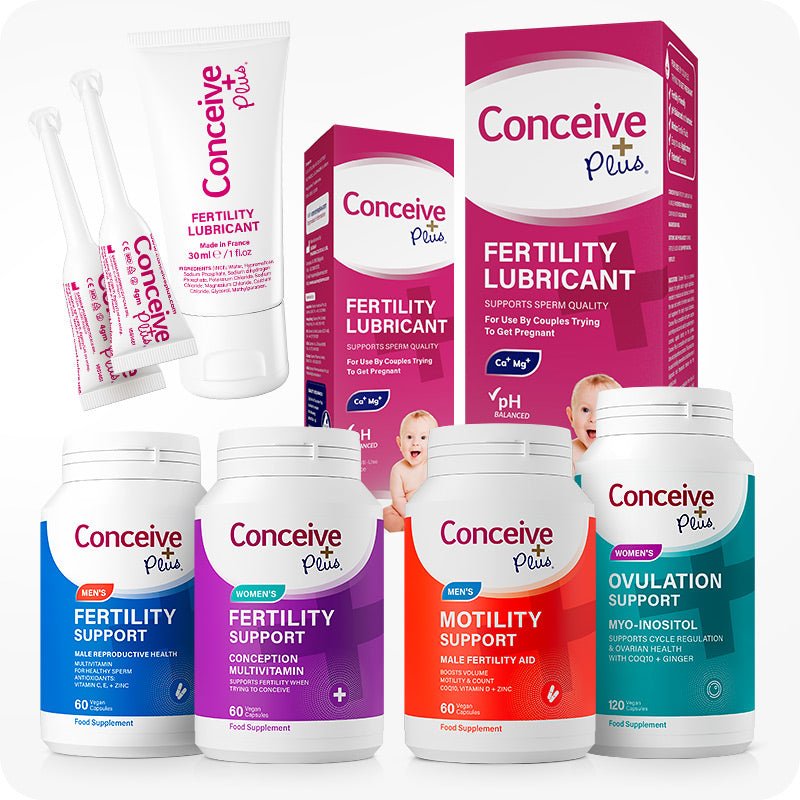
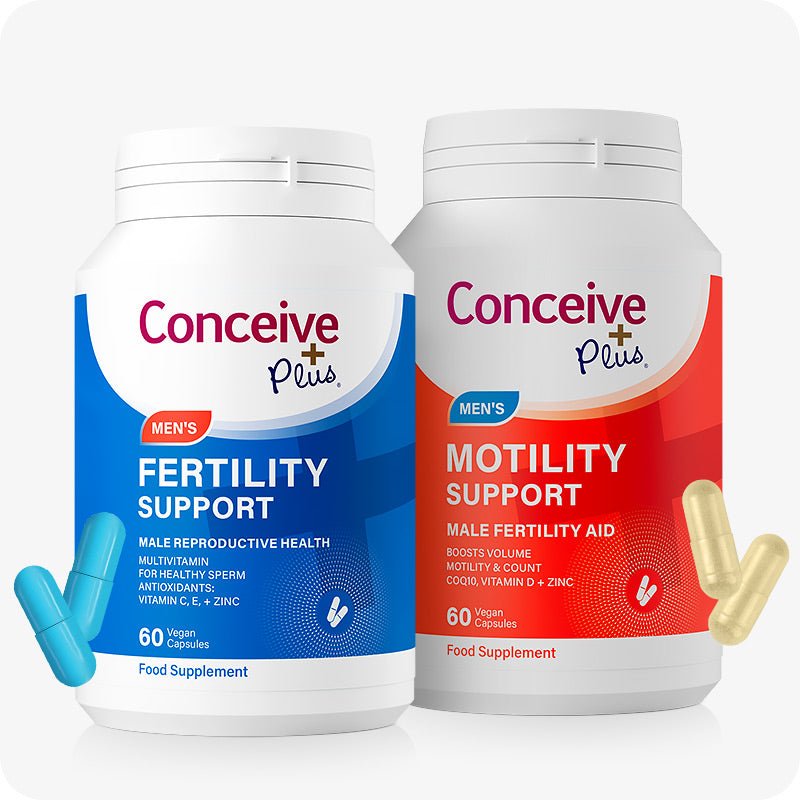
When both partners optimise their nutrition, conception chances improve significantly. Conceive Plus offers a complete range of scientifically formulated fertility supplements for women and men, plus our fertility-friendly lubricant.
The Role of Carbohydrates and Insulin in Fertility
Insulin resistance — a state in which cells do not respond properly to insulin, causing elevated blood glucose and compensatory high insulin levels — is one of the most important nutritional mechanisms affecting female fertility. Hyperinsulinaemia (chronically elevated insulin) disrupts the hypothalamic-pituitary-ovarian axis, stimulates excess androgen production by the ovaries, and impairs follicular development and ovulation.
PCOS (polycystic ovary syndrome), which affects approximately 15% of women of reproductive age, is strongly associated with insulin resistance even in normal-weight women. Dietary approaches that improve insulin sensitivity — including the low-glycaemic Mediterranean diet, the MIND diet, and reducing refined carbohydrate intake — are first-line nutritional interventions for PCOS-related ovulatory infertility.
Key dietary strategies for improving insulin sensitivity:
- Replace refined carbohydrates (white bread, white rice, pastries, sugary drinks) with whole grains (oats, quinoa, barley, wholemeal bread)
- Include a protein source with every meal and snack to moderate the glycaemic response
- Prioritise low-GI vegetables (leafy greens, courgette, broccoli, cauliflower) over starchy vegetables at high frequency
- Include soluble fibre from oats, legumes, and flaxseed to slow glucose absorption
- Limit fruit juice and dried fruit (concentrated fructose sources) in favour of whole fruit
Foods That May Impair Fertility
The fertility diet is as much about reducing harmful exposures as it is about optimising beneficial ones:
Trans fats: Partially hydrogenated vegetable oils (trans fats) are associated with significant impairment of ovulatory function. The Nurses' Health Study found that each 2% increase in energy from trans fats in place of monounsaturated fats was associated with a 73% higher risk of ovulatory infertility. While trans fats have been largely eliminated from European foods by regulation, they may still appear in imported processed products. Read labels.
Processed red meat: High consumption of processed meats (bacon, salami, sausages) is associated with reduced fertility in both men and women. Replace with fish, poultry, legumes, and eggs as protein sources.
Alcohol: Alcohol is metabolised to acetaldehyde, which is directly toxic to developing oocytes and sperm. Even moderate consumption (7–14 units/week) has been associated with reduced fertility in several large prospective studies. Current UK/EU guidance recommends avoiding alcohol entirely when trying to conceive.
Excess caffeine: High caffeine intake (above 300mg/day, roughly three cups of strong coffee) has been associated with reduced fertility and increased miscarriage risk. Limiting caffeine to 100–200mg/day during the TTC period is a reasonable precautionary measure.
Soy in large quantities: Soy isoflavones are phytoestrogens with weak oestrogen-like activity. While moderate soy consumption (one to two servings/day) appears safe and may even be beneficial for some women, very high soy intake — particularly in countries where soy is a dietary staple — may interfere with the oestrogen feedback cycle in sensitive individuals.
Practical Fertility Diet Meal Planning
Building a fertility-supportive diet does not require radical changes — it requires consistent application of evidence-backed principles. A practical framework:
- Vegetables: Half of every plate, varied colours and types daily, with emphasis on dark leafy greens at least once per day
- Whole grains: Oats, quinoa, barley, or wholegrain bread instead of refined carbohydrates
- Protein: Fish two to three times weekly; eggs daily or near-daily; legumes three or more times weekly; quality dairy
- Fats: Extra virgin olive oil as the primary cooking fat; a handful of mixed nuts daily; avocado regularly
- Fruit: Two to three pieces of whole fruit daily, prioritising berries and citrus
- Water: 1.5–2L daily; well-hydrated cervical mucus is essential for sperm survival
Frequently Asked Questions
Q: Which diet is best for fertility?
The Mediterranean diet has the strongest evidence base. It emphasises vegetables, legumes, whole grains, fish, olive oil, and nuts, while limiting red and processed meat, refined carbohydrates, and alcohol.
Q: Can diet really improve fertility?
Yes. Dietary patterns affect ovulation quality, egg development, sperm parameters, hormonal balance, and inflammatory status — all of which affect conception probability. The effect size is meaningful, particularly for women with PCOS or irregular cycles.
Q: Does caffeine affect fertility?
High caffeine intake (above 300mg/day) is associated with reduced fertility and increased miscarriage risk. Limit caffeine to 100–200mg/day when trying to conceive.
Q: Should I eat differently to support sperm health?
Yes. Mediterranean-style diet adherence is associated with better sperm count, motility, and morphology. Specifically, increase antioxidant-rich foods (tomatoes, leafy greens, nuts, seeds), reduce processed meats, and limit alcohol.
Q: Does alcohol affect fertility?
Yes. Even moderate alcohol consumption is associated with reduced fertility in both men and women. Alcohol is metabolised to acetaldehyde, which is directly toxic to oocytes and sperm. Avoiding alcohol entirely is the safest approach when trying to conceive.
Q: How quickly can diet changes improve fertility?
Sperm take approximately 74 days to develop, and egg follicles develop over approximately 90 days. Meaningful improvements in fertility parameters from dietary changes can typically be seen within three to four months of consistent dietary improvement.
The evidence for the fertility diet is clear: dietary choices that prioritise antioxidant-rich whole foods, healthy fats, plant-based proteins, and the Mediterranean dietary pattern — while limiting processed foods, alcohol, and refined carbohydrates — create the nutritional foundation that reproductive biology requires. Combined with targeted fertility supplementation and attention to ovulation timing, dietary optimisation is one of the most impactful evidence-based interventions available to couples trying to conceive.