How Long Does Ovulation Last? Understanding Your 24-Hour Window


What if the most critical moment for your fertility lasted no longer than a long lunch break? It's a stressful thought, especially when you're trying to figure out exactly how long does ovulation last while managing the frustration of an irregular cycle. You're likely familiar with the anxiety of staring at a tracking app and wondering if you've already missed your peak moment for the month.
We understand that the distinction between your ovulation day and your fertile window can be incredibly confusing. This article will clarify the biology of your cycle by explaining the 12 to 24-hour lifespan of an egg and how you can use sperm survival to your advantage. We'll also look at modern tools, such as the Oura Ring 5 that launched on June 4, 2026, to show you how to accurately monitor your hormones and confirm your results with confidence.
Key Takeaways
- Learn exactly how long does ovulation last and why the egg's brief 12 to 24-hour lifespan makes timing critical for conception.
- Distinguish between the day of ovulation and your broader fertile window to better plan intimacy around sperm survival.
- Recognize the physical bio-markers, like "egg white" cervical mucus, that indicate your body is approaching its peak fertility.
- Understand why your cycle length may vary due to stress or travel and how to track your unique follicular phase accurately.
- Gain insights into optimizing your reproductive environment to support sperm health during your most fertile days.
How Long Does Ovulation Last? The 24-Hour Reality
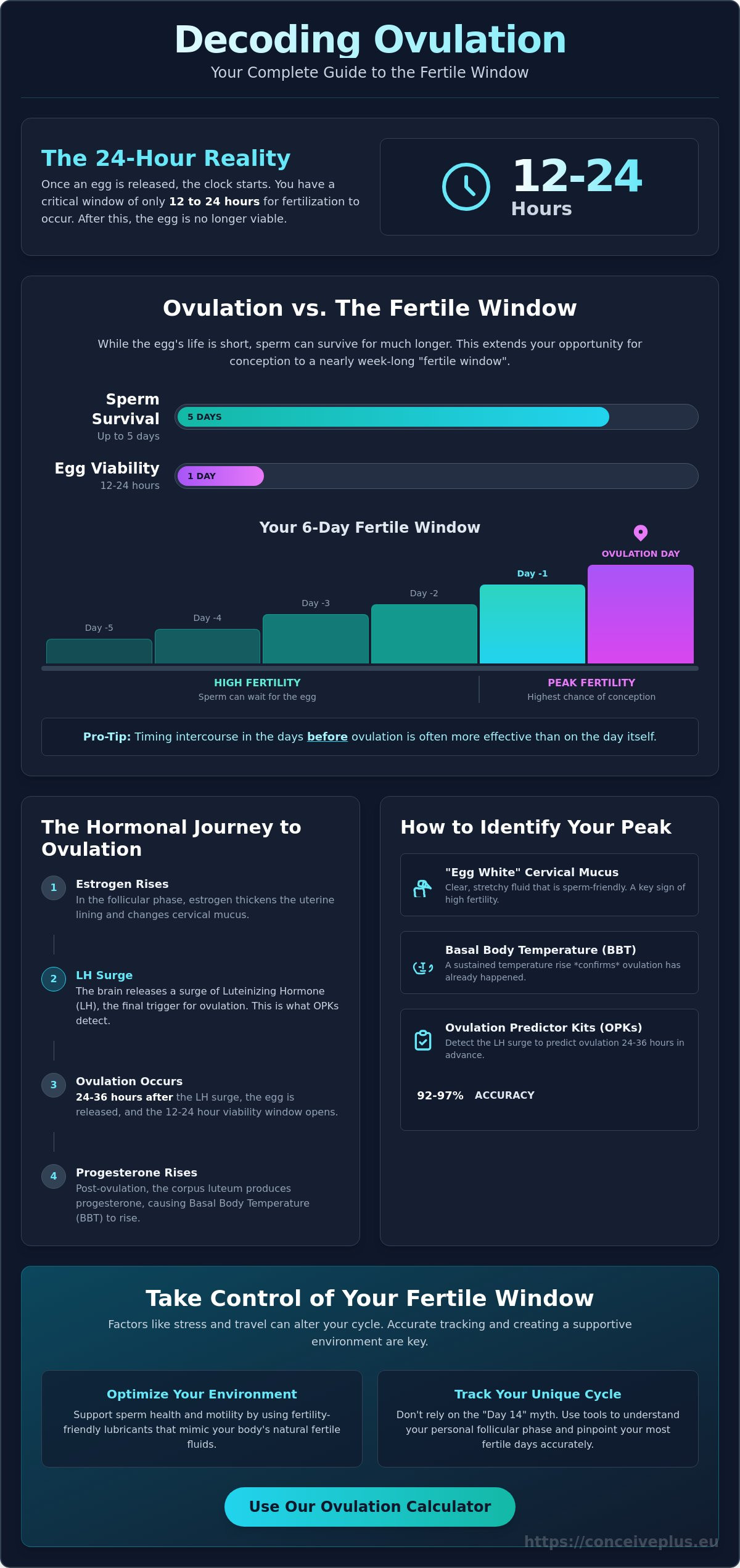
Understanding exactly how long does ovulation last is the first step toward successful conception. While many people think of ovulation as a multi-day event, it's actually a single, fleeting moment. Biologically, What is ovulation? It's the process where a mature follicle bursts, releasing an oocyte into the fallopian tube. This specific event happens in an instant, but the egg's viability creates a strict 12 to 24-hour deadline for fertilization. If sperm doesn't meet the egg within this narrow window, the egg begins to degrade and can no longer be fertilized.
To better understand this concept, watch this helpful video:
This process is driven by Luteinizing Hormone (LH). About 24 to 36 hours before the egg is released, your brain sends a massive surge of LH into your bloodstream. This surge is what most at-home tests detect. According to a May 2026 study from Brigham and Women's Hospital, urine-based ovulation predictor kits (OPKs) that track this LH surge are about 92 to 97% accurate. Knowing this surge is happening gives you a head start before the 24-hour clock officially begins. To help narrow down your specific timing, you can use an ovulation calculator to estimate when your next window might occur.
The Biological Timeline of Egg Release
Your body spends the first half of your cycle, the follicular phase, preparing for this moment. Several follicles start to grow, but usually, only one becomes dominant. This follicle produces estrogen, which thickens your uterine lining. Once estrogen levels hit a certain threshold, it triggers the LH surge. The actual release of the egg is a mechanical process that takes very little time, often described as lasting only seconds or minutes once the follicle wall ruptures.
What Happens After the 24 Hours?
Once the 24-hour window closes, your body shifts gears immediately. The empty follicle transforms into a temporary gland called the corpus luteum. This gland starts pumping out progesterone, which is why your basal body temperature (BBT) rises after you ovulate. If the egg isn't fertilized, it simply dissolves and is reabsorbed by the fallopian tube lining. Your progesterone levels will eventually drop, signaling your body to start your period and begin the cycle again.
Ovulation vs. The Fertile Window: Why Timing is Everything
While the biological answer to how long does ovulation last is a strict 24 hours, your chance to conceive actually spans nearly a week. This is where many people get confused. They wait for the "peak" day to start trying, but by then, they might be cutting it too close. The egg is only viable for 12 to 24 hours, but sperm are much more resilient. While the egg waits for only a single day, healthy sperm can survive in the female reproductive tract for up to five days. This creates a six-day marathon rather than a 24-hour sprint.
Timing intercourse before you ovulate is often more effective than trying on the day of the event. Sperm need time to travel through the cervix and reach the fallopian tubes. If they're already there when the egg is released, fertilization can happen immediately. This period is often categorized into "High" and "Peak" fertility days. "High" fertility begins when your estrogen levels rise, changing your cervical mucus and signaling that Signs That Ovulation Has Started are approaching. "Peak" fertility occurs during the LH surge, just before the 24-hour window opens.
Sperm Survival: The Key to a Longer Window
Sperm survival depends heavily on the quality of your cervical mucus. During your fertile window, your body produces "egg white" mucus that protects sperm from the naturally acidic environment of the vagina. This fluid provides the nutrients and physical channels they need to swim upward. Without this support, sperm might only survive for a few hours. The fertile window is the combination of sperm longevity and egg viability. To support this process, many couples use fertility-friendly lubricants that mimic these natural fluids to maintain sperm motility.
Using an Ovulation Calculator
Manual counting is often inaccurate because cycle lengths can shift due to stress or illness. Most people don't ovulate on exactly day 14 of their cycle. If your follicular phase is shorter or longer than average, you might miss your window entirely. Using a Conceive Plus ovulation calculator helps remove the guesswork by analyzing your specific cycle data. By inputting your last period date and average cycle length, you can predict exactly when your 24-hour window will occur, allowing you to plan ahead and ensure sperm are waiting for the egg's arrival.
Identifying Your Peak: Signs That Ovulation Has Started
Knowing how long does ovulation last is only half the battle; you also need to know when that 24-hour window actually opens. Your body provides several physical clues that estrogen and progesterone levels are shifting. One of the most reliable indicators is the change in your cervical mucus. As you approach peak fertility, your discharge becomes clear, slippery, and stretchy, resembling raw egg whites. This specific texture is designed to help sperm survive and travel through the reproductive tract. To put these signs in context, it's helpful to understand the difference between Ovulation vs. The Fertile Window, as these physical symptoms often start several days before the egg is actually released.
Another common sign is a slight twinge or cramp on one side of your lower abdomen, known as Mittelschmerz. This happens when the follicle ruptures to release the egg. While not everyone feels this, it can be a helpful confirmation alongside other symptoms like increased libido or breast tenderness. These secondary signs are your body's way of signaling that the 24-hour window is imminent. If you're tracking your cycle to conceive, noticing these changes early allows you to maximize the five-day lifespan of sperm before the egg is even released.
The Science of Cervical Mucus
Estrogen is the hormone responsible for transforming your mucus. Early in your cycle, you might feel dry or notice creamy, thick discharge. As estrogen peaks, the mucus becomes watery and eventually reaches that "egg white" consistency. You can check this at home using the "stretch test" by pressing the fluid between your thumb and index finger. If it stretches an inch or more without breaking, you've reached your most fertile state. This slippery environment is essential because it protects sperm from the natural acidity of the vagina.
Ovulation Predictor Kits (OPKs)
For those who want more certainty than physical symptoms provide, OPKs are a vital tool. These kits detect the Luteinizing Hormone (LH) surge that occurs roughly 24 to 36 hours before the egg emerges. A study from May 2026 confirms that these urine-based tests have an accuracy rate between 92% and 97%. Whether you use a simple line test or a digital reader, testing at the same time each day, usually in the afternoon, ensures the most reliable results.
Tracking your Basal Body Temperature (BBT) is another method, though it confirms ovulation after the fact. Once you ovulate, progesterone causes your resting temperature to rise by about 0.5 to 1 degree Fahrenheit. Modern technology has made this easier. For example, the Oura Ring 5, which launched on June 4, 2026, uses a physiology method that is significantly more precise than traditional calendars. Research shows it can detect 96.4% of ovulations with an average error of only 1.26 days. These tools help you understand how long does ovulation last for your specific body by identifying your unique patterns over several cycles.
Why Your Ovulation Length and Timing Might Vary
While the biological answer to how long does ovulation last is a consistent 24 hours, the day that window opens is far from fixed. Many people assume they ovulate on Day 14, but this is only an average for a perfect 28-day cycle. In reality, your menstrual cycle is divided into two parts: the follicular phase and the luteal phase. The luteal phase, which occurs after the egg is released, is usually very stable, lasting between 12 and 14 days. However, the follicular phase is highly variable. If you're stressed, ill, or traveling, your body may delay the follicular phase, pushing your 24-hour ovulation window much later into your cycle than expected.
Hormonal imbalances and underlying conditions also play a significant role in timing. Conditions like Polycystic Ovary Syndrome (PCOS) or thyroid disorders can cause the body to struggle with the LH surge required to release an egg. In some cases, the body might even attempt to ovulate multiple times in one month, leading to multiple LH peaks before an egg is successfully released. Age is another factor to consider. As you move toward perimenopause, the frequency of ovulatory cycles can decrease, and the timing of the egg's release becomes less predictable. If you're concerned about your cycle's consistency, using fertility support products can help you manage your journey more effectively.
Lifestyle Factors That Impact Timing
Your brain and your ovaries are in constant communication. When you experience high levels of stress, your body produces cortisol. This "fight or flight" hormone can actually signal the brain to suppress the Luteinizing Hormone (LH) surge. Essentially, your body decides it isn't a safe time to support a pregnancy, so it hits the pause button on ovulation. Similarly, sudden weight changes or intense, grueling exercise routines can disrupt the delicate balance of estrogen and progesterone, causing your 24-hour window to shift or disappear entirely for that month.
Recognizing Anovulation
It's possible to have a regular "period" without actually releasing an egg. This is called an anovulatory cycle. In these cases, the bleeding you experience is actually a withdrawal bleed caused by a drop in estrogen, rather than the shedding of the lining after a progesterone peak. Consistent tracking is the only way to identify these patterns. You can use tools like Proov, which was the only FDA-cleared at-home diagnostic test to confirm successful ovulation as of June 2026. By measuring PdG, a metabolite of progesterone, you can verify that the 24-hour window actually occurred. If you notice a consistent lack of temperature shifts or positive confirmation tests over three cycles, it's a good idea to consult a fertility specialist to investigate potential hormonal imbalances.
Taking Control of Your Fertile Window
Once you have a clear grasp of how long does ovulation last, the focus shifts from observation to action. You have roughly 24 hours from the moment of release to ensure a successful meeting between the egg and sperm. This is why having a plan for your peak days is essential. To maximize your chances, you should focus on creating an environment that supports sperm motility and survival. Sperm need to navigate a complex path to reach the fallopian tubes, and any barriers can significantly reduce the likelihood of conception during that brief 24-hour window.
To maximize your chances, consider the timing of your intimacy. Since sperm can survive for several days, having them present in the fallopian tubes before the egg is released is the most effective strategy. This proactive approach ensures that the 24-hour life of the egg is not wasted while sperm are still traveling. While biology dictates how long does ovulation last, your lifestyle and the tools you use determine how healthy and accessible that window remains.
Support Your Journey with Fertility Products
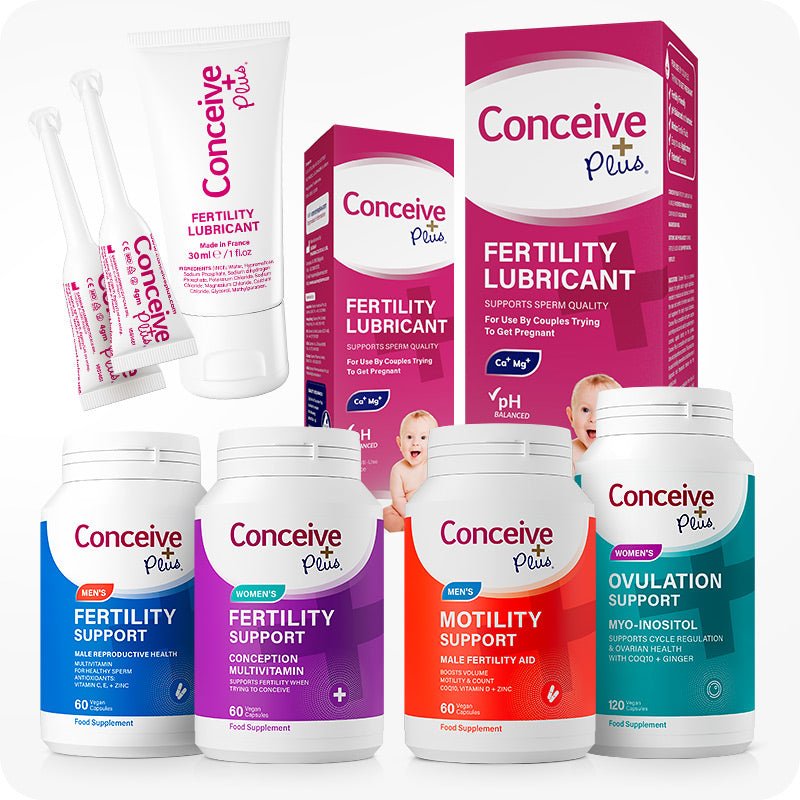
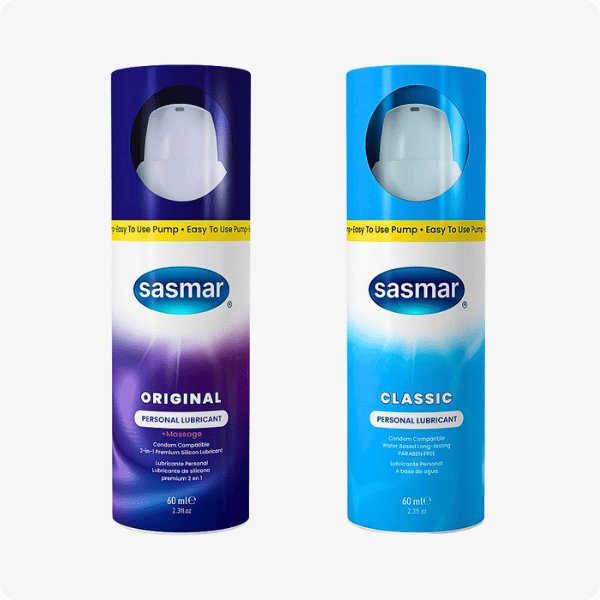
Specialized fertility lubricants play a vital role in your success. Standard lubricants often have a pH that is too acidic or an osmolality that is too high, which can damage sperm or slow them down. In contrast, fertility-friendly options are formulated to mimic the body's natural fertile fluids. Supporting the vaginal environment can help sperm reach the egg during its short 24-hour life. For couples who want to be fully prepared, investing in fertility product bundles ensures you have the right tools on hand before your window even begins.
Nutritional support is another long-term strategy for success. While a single meal won't change how long does ovulation last, a diet rich in antioxidants and healthy fats supports hormonal balance and overall egg quality. Focus on leafy greens, berries, and omega-3 fatty acids to provide your body with the building blocks it needs for a healthy follicular phase. These nutrients help ensure that when the 24-hour window finally opens, the egg is as healthy as possible.
Maintaining a Positive TTC Mindset
The psychological side of fertility is just as important as the biological one. The process of tracking every temperature shift and hormone surge can become overwhelming. It is easy to fall into a cycle of stressful tracking where the data causes more anxiety than clarity. Moving toward a mindset of informed awareness helps you stay in control without the emotional burnout. Many couples find that taking advantage of special offers on tracking kits and supplements makes the process more sustainable over several months.
If you find yourself feeling more frustrated than hopeful, it's okay to take a break from the charts and apps for a month. Your mental health is a priority, and returning to the process with a refreshed perspective can often be the best thing for your journey. Understanding your body is a marathon, not a sprint, and giving yourself grace during the process is essential for long-term success.
Empower Your Fertility Journey
You now have the biological map needed to navigate your cycle with confidence. While knowing exactly how long does ovulation last is vital for timing, remember that your fertile window is a six-day opportunity rather than a 24-hour panic. By tracking physical signs like cervical mucus and using modern technology to confirm your LH surge, you can remove the guesswork from your path to parenthood.
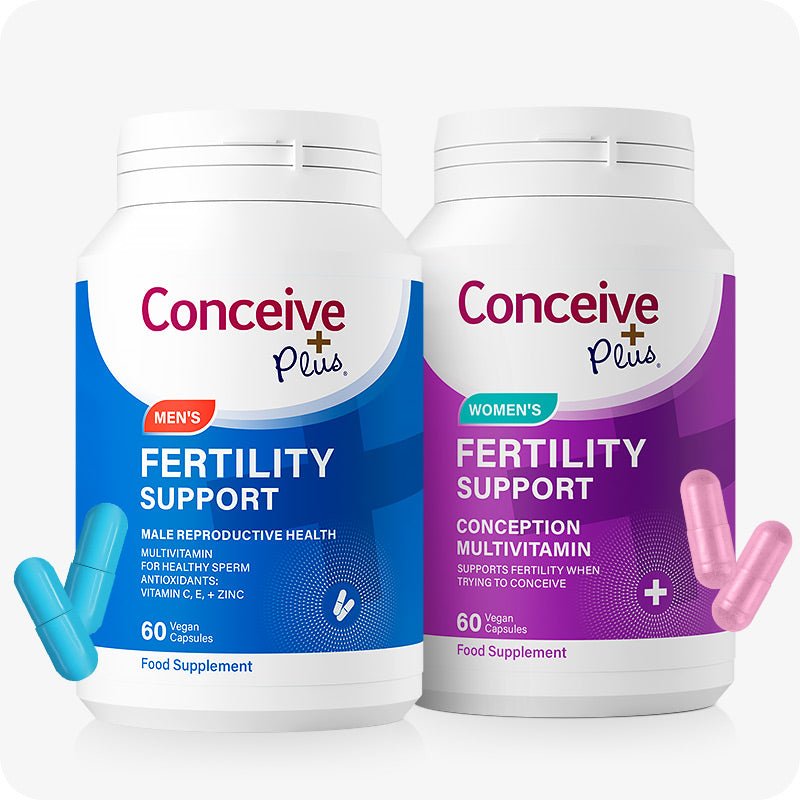
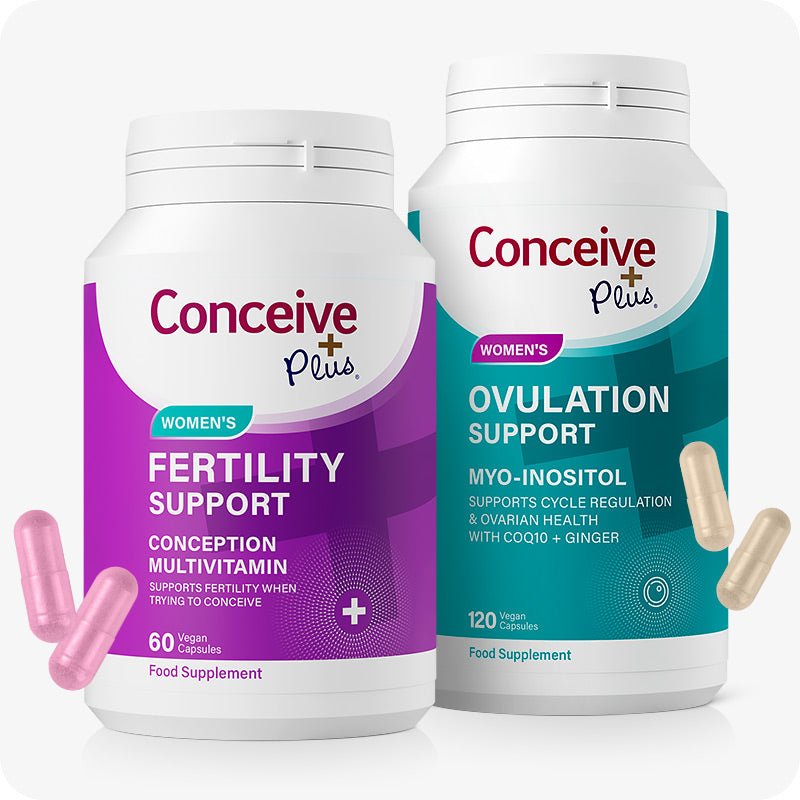
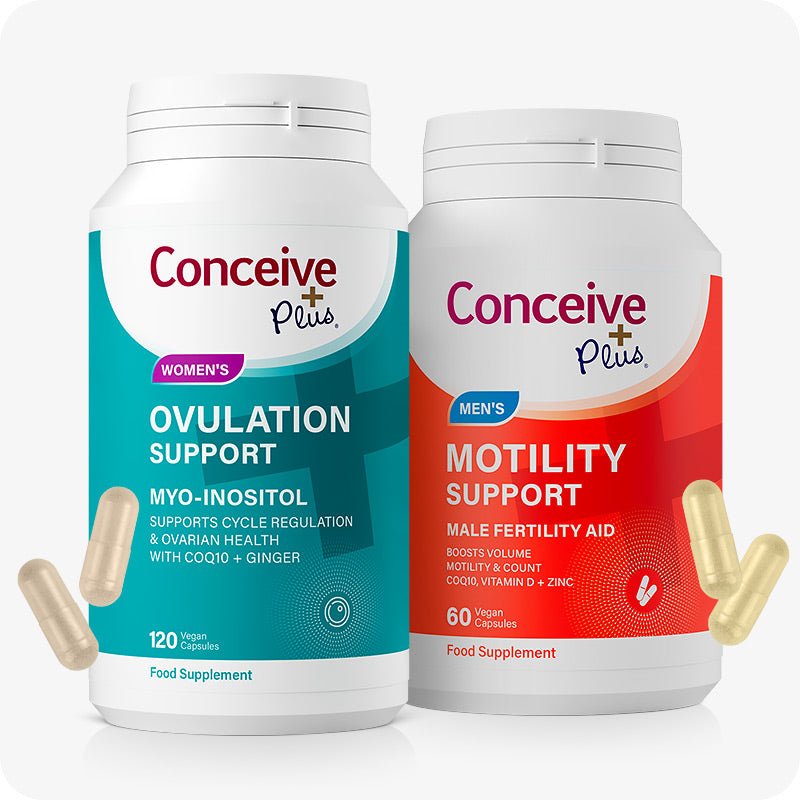
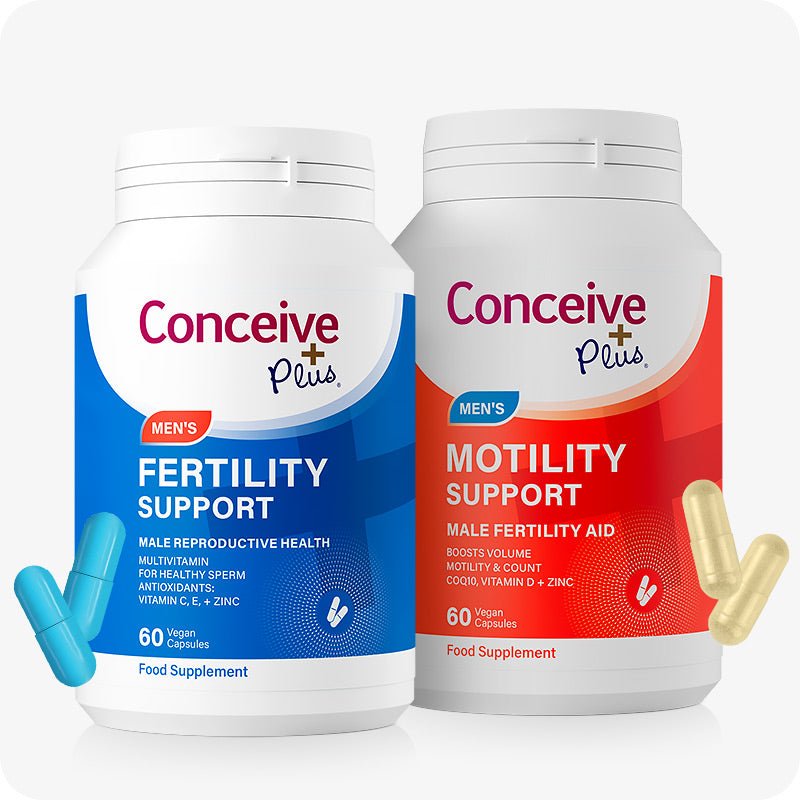
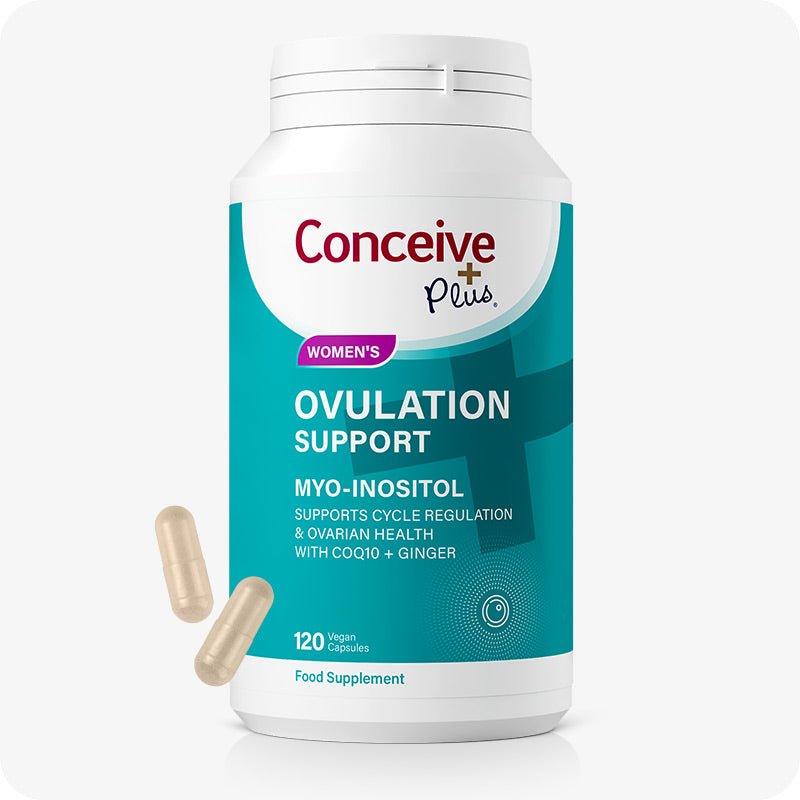
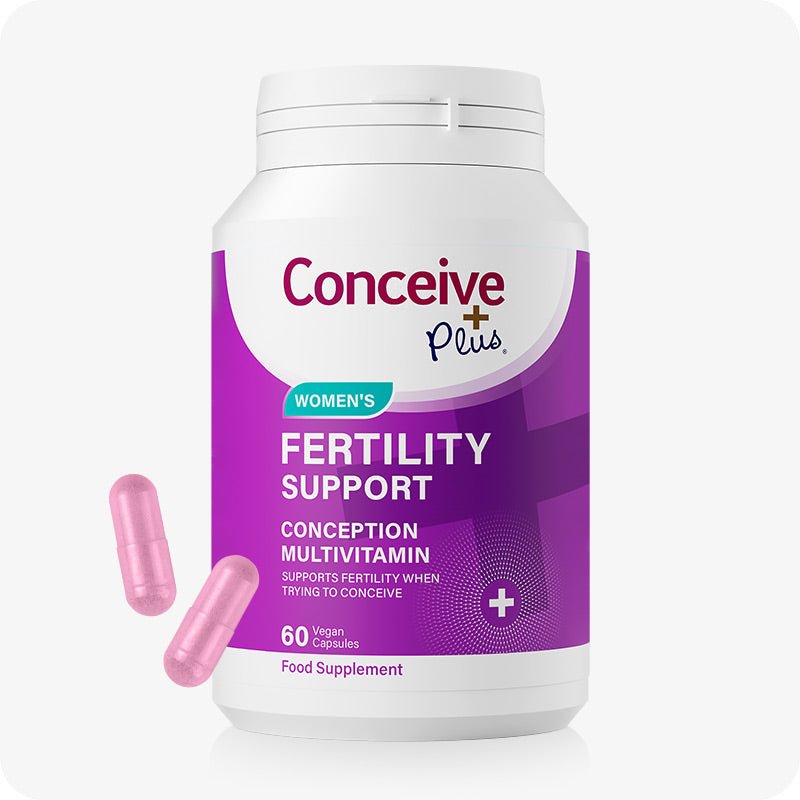
Success often comes down to creating the right environment for those few hours when the egg is viable. You don't have to manage this process alone. Shop Conceive Plus Fertility Bundles to support your journey with products developed by Harvard Medical School doctors. Our formulas are physiologically balanced for fertility support and trusted by millions of couples in over 70 countries.
Taking control of your reproductive health is an empowering step. With the right knowledge and tools, you can approach your next cycle with clarity and peace of mind. Your journey is unique, and you're now better prepared for every step of it.
Frequently Asked Questions
Can I get pregnant 2 days after ovulation?
Pregnancy is highly unlikely two days after the egg is released. Since the egg only remains viable for 12 to 24 hours, the window for fertilization closes quickly. If you're tracking how long does ovulation last, you'll find that timing intercourse before the egg is released is much more effective than trying to catch it after the window has shut.
How many days after my period do I ovulate?
On a standard 28-day cycle, you typically ovulate about 14 days after the first day of your last period. However, this timing isn't universal. If your cycle is shorter, you might ovulate as early as day 10. If it's longer, it could be day 21. Tracking your specific cycle length over several months is the best way to predict your unique timing.
Can you ovulate twice in one cycle?
You can release two or more eggs in a single cycle, but this only happens within the same 24-hour window. This is how fraternal twins are conceived. Once this short period ends, your body begins producing progesterone, which effectively shuts down the release of any more eggs until your next menstrual cycle begins. You won't ovulate at two separate times weeks apart.
Is it possible to have a period but not ovulate?
Yes, it's possible to experience an anovulatory cycle where you have a period but don't release an egg. This bleeding is often called a withdrawal bleed. It happens when your estrogen levels fluctuate or drop, causing the uterine lining to shed even though the biological process of ovulation never actually took place. Consistent tracking can help you identify if this is happening.
How do I know for sure if my 24-hour window has passed?
You can confirm your window has passed by tracking your basal body temperature (BBT). A sustained rise in temperature for three consecutive days indicates that progesterone is being produced and ovulation is over. Alternatively, you can use at-home progesterone tests, which provide a definitive confirmation as to whether an egg was successfully released. These methods are more reliable than just guessing based on a calendar.
Does ovulation always happen on day 14?
Ovulation doesn't always happen on day 14, as this is merely a statistical average. Cycle lengths vary significantly between individuals and even from month to month for the same person. Factors like illness, travel, or changes in diet can shift your follicular phase, moving your 24-hour window earlier or later than the traditional mid-cycle estimate often found in basic tracking apps.
Can stress stop ovulation from happening?
Stress can definitely delay or even stop you from ovulating for a specific cycle. When your body is under significant physical or emotional pressure, it produces high levels of cortisol. This hormone can interfere with the brain's signals to the ovaries, preventing the Luteinizing Hormone (LH) surge that is required to trigger the release of a mature egg from its follicle.
How long does the LH surge last compared to ovulation?
The LH surge is a longer event than the actual lifespan of the egg. While an LH surge can be detected in your urine for 24 to 48 hours, the egg itself only lives for 12 to 24 hours after release. Knowing how long does ovulation last helps you understand that the surge is your warning sign to start trying before the egg actually emerges.