The Ultimate Diet for Male Fertility: Science-Backed Nutrition for 2026


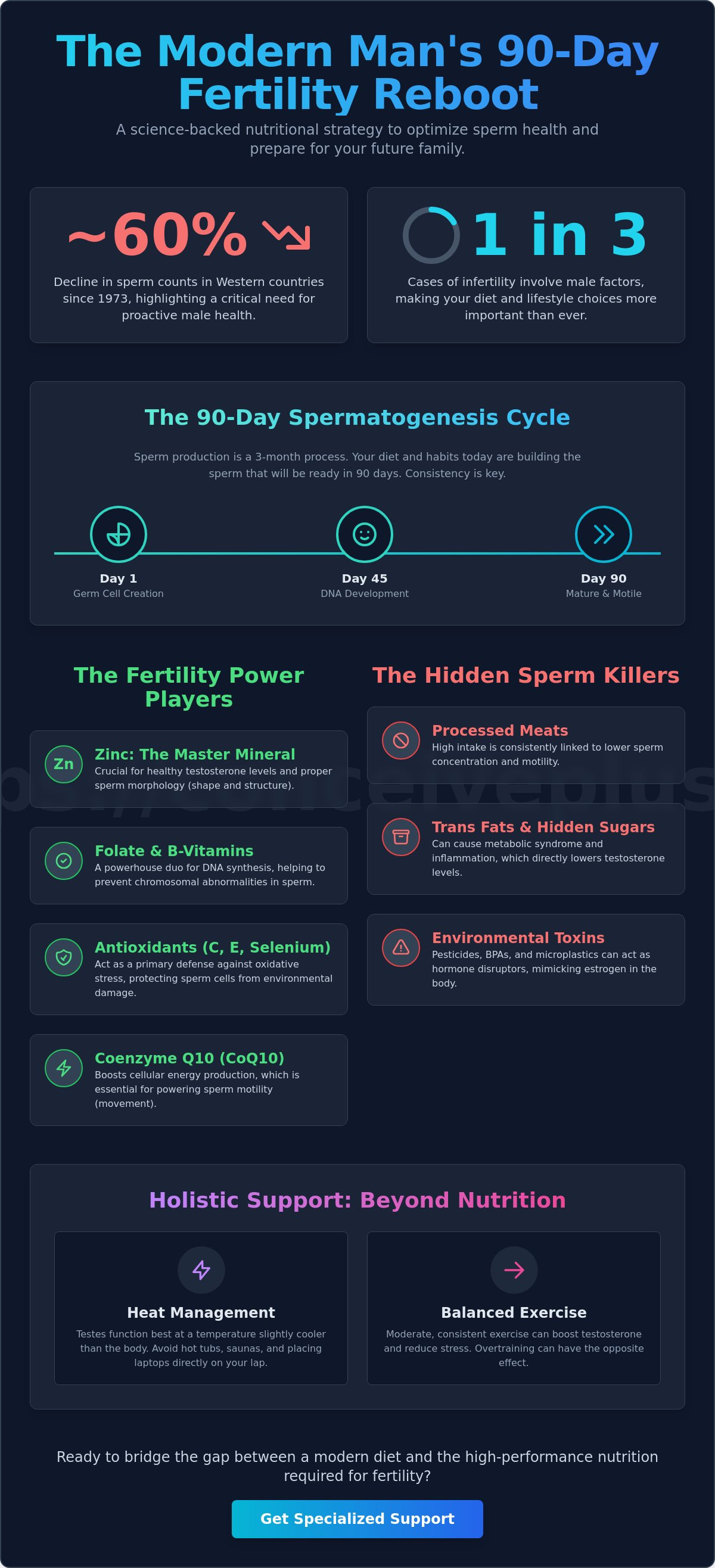
Did you know that sperm counts in Western countries have plummeted by nearly 60% since 1973? It's a staggering figure that highlights why focusing on a specific diet for male fertility is more critical now than ever before. You might feel like fertility is primarily a female concern, or perhaps you're worried that years of poor habits have left you with permanent damage. The truth is that male factors contribute to at least one-third of all infertility cases, affecting 1 in 8 couples in the US. Your body is constantly producing new cells, and your choices today directly impact the quality of your future family.
Discover exactly how to optimize your sperm health through a targeted 90-day nutritional strategy designed for the modern man. By aligning your habits with the updated Dietary Guidelines for Americans 2025-2030, you can support DNA protection and healthy hormone production. We will explore the science behind the Mediterranean diet and key nutrients like Zinc, Selenium, and CoQ10. This article provides a clear list of power foods, a simple dietary framework to follow, and the specific timeline you can expect for real physiological improvement.
Key Takeaways
- Understand the 90-day spermatogenesis cycle and why consistent daily habits are far more effective than short-term dietary fixes.
- Learn how to adopt a Mediterranean-style diet for male fertility by prioritizing a specific balance of plants, whole grains, and lean proteins.
- Identify common "sperm killer" foods, such as processed meats and hidden sugars, that may be sabotaging your testosterone and sperm concentration.
- Discover the critical role of master minerals like Zinc and B-vitamins in protecting DNA integrity and improving sperm morphology.
- Explore how to integrate nutritional changes with lifestyle factors like heat management and balanced exercise for a complete fertility reboot.
The 90-Day Window: Why Your Diet Today Shapes Your Future Child
Many men believe fertility is a switch that flips when they decide to start a family. In reality, your body is a continuous production line. If you start a targeted diet for male fertility today, you aren't feeding the sperm you'll use tomorrow. You're nourishing the cells that will reach maturity three months from now. This lag time is why consistency is your greatest asset. The American Urological Association (AUA) and the American Society for Reproductive Medicine (ASRM) highlighted the importance of clinical evaluation and lifestyle in their updated 2024 Male Infertility Guideline. While a single healthy meal is a good start, it takes a sustained 90-day habit to influence the entire lifecycle of a sperm cell. This cumulative effect ensures that every stage of development is supported by high-quality nutrients.
To better understand this concept, watch this helpful video:
Nutrition also acts as a shield for the genetic cargo your sperm carries. Poor habits can lead to high levels of DNA fragmentation, which are breaks in the genetic material that can impact conception rates and the health of the pregnancy. By focusing on a specific diet for male fertility during the development phase, you protect the integrity of the DNA that will form your future child. In 2026, "pre-preconception" health is the new standard for men who want to give their children the best possible start. It's about optimizing the biological environment before the journey even begins.
Understanding Spermatogenesis and Your Timeline
Spermatogenesis is the 90-day biological manufacturing process for male fertility. The journey begins with germ cells in the seminiferous tubules and moves through mitosis and meiosis before the final transformation into a motile swimmer. This transformation involves compacting the DNA and growing a tail, which requires immense cellular energy. Because this process is so energy-intensive, your current lifestyle choices manifest in your sperm quality three months from now. Researching the factors influencing sperm quality shows that environmental and nutritional inputs are the primary drivers of reproductive success.
Why 'Modern' Diets are Challenging Male Fertility
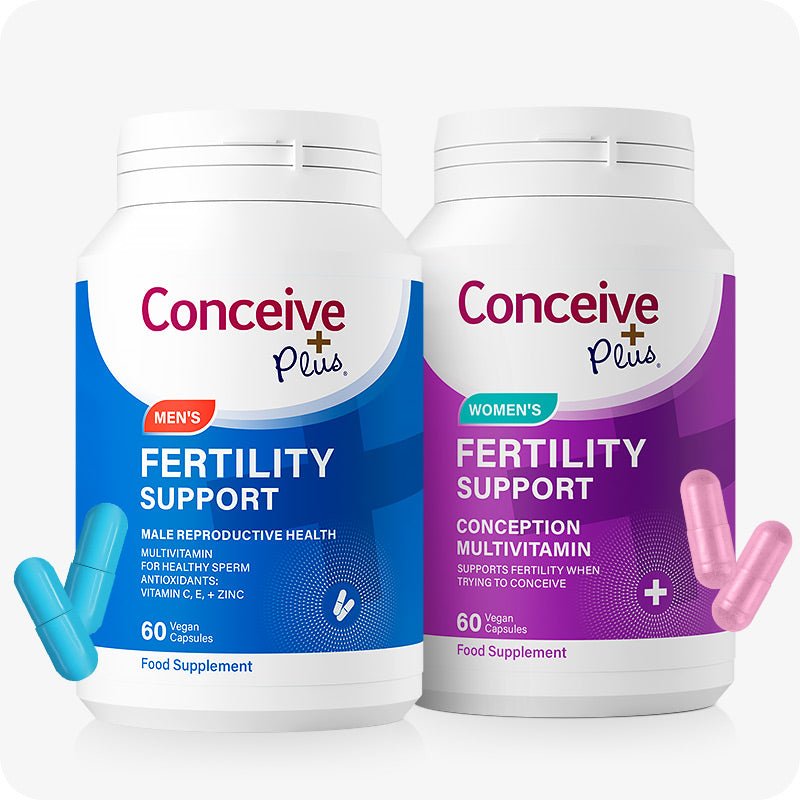
Modern diets are often stripped of the very minerals needed for reproductive health. Environmental toxins and microplastics can mimic estrogen in the body, while metabolic syndrome from high-sugar foods directly lowers testosterone. These factors create a hostile environment for sperm development before it even starts. Navigating these modern hurdles requires a proactive approach to your daily routine. Many men find that incorporating a specialized support system like Conceive Plus Europe helps bridge the gap between a standard modern diet and the high-performance nutrition required for this 90-day reboot.
The Fertility Power Players: Essential Nutrients for Sperm Health
When you optimize your diet for male fertility, you aren't just eating for calories; you're providing the specific raw materials required for a biological masterpiece. Zinc stands at the center of this process. Often called the "Master Mineral," Zinc is essential for maintaining healthy testosterone levels and ensuring proper sperm morphology. Without enough Zinc, sperm cells may develop with structural flaws, making it difficult for them to reach and penetrate an egg. This is why many fertility experts point to the Science of Diet and Male Fertility as a foundation for any successful conception plan.
Protecting the genetic cargo is the next priority. Folate and Vitamin B12 work as a powerhouse duo for DNA synthesis. They help prevent chromosomal abnormalities that can lead to early pregnancy loss. To guard these cells against the environmental damage mentioned earlier, antioxidants like Vitamin C, Vitamin E, and Selenium act as a primary defense. These nutrients neutralize oxidative stress, a condition where reactive oxygen species attack the sperm's delicate outer shell. Finally, Omega-3 fatty acids are critical for tail power. These healthy fats integrate into the sperm cell membrane, providing the fluidity and flexibility required for high-speed swimming.
The Role of Micro-Nutrients in Motility and Morphology
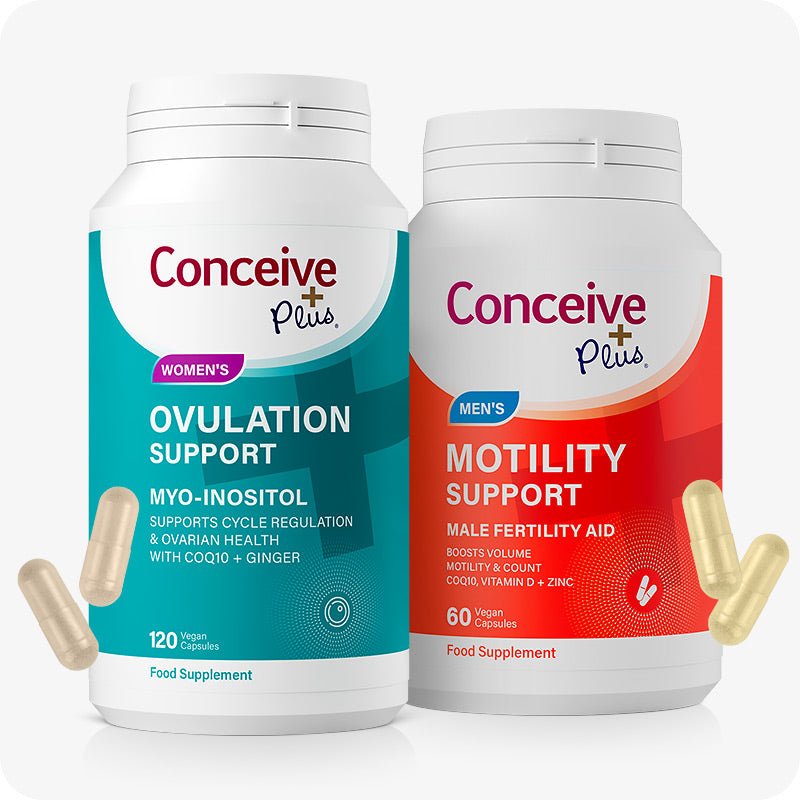
While morphology focuses on shape, motility is all about the "swim." L-carnitine and Coenzyme Q10 (CoQ10) act as high-octane fuel for the mitochondria within the sperm's midpiece. In 2026, healthcare providers are also placing a heavier emphasis on Vitamin D3. It's no longer viewed as just a vitamin but as a critical hormone precursor that influences sperm development from the earliest stages. Supporting these nutrient levels through high-quality supplements like those found at Conceive Plus Europe can provide the specialized backup your body needs during this critical 90-day window.
The Gut-Fertility Axis: Probiotics and Fiber
Recent research in 2025 and 2026 has uncovered a powerful link between your microbiome and your testes. A healthy gut reduces systemic inflammation, which is a known factor that can impair testicular function. High-fiber diets help your body clear out excess hormones and toxins that might otherwise disrupt testosterone production. Integrating fermented foods into your diet for male fertility, such as kimchi or kefir, helps cultivate a diverse microbiome. This internal ecosystem supports the metabolic health necessary for peak reproductive performance.
Foods to Limit: Identifying the Hidden 'Sperm Killers' in Your Pantry
While adding nutrients is vital, removing obstacles is equally important for a successful diet for male fertility. Processed meats like bacon, sausages, and deli meats are often loaded with nitrates and saturated fats. These compounds are linked to lower sperm concentration and motility. Similarly, trans fats found in many fried and packaged foods can interfere with the cell membranes you're trying to build with healthy fatty acids. These fats don't just add calories; they trigger systemic inflammation that can damage developing sperm cells during their 90-day maturation cycle.
Finding a balance with alcohol and caffeine is a common concern for men in the "pre-preconception" phase. While total abstinence isn't always required, excessive intake is a known risk. High alcohol consumption can lead to lower testosterone and shrunken testes. Caffeine should generally be limited to under 300mg per day to avoid potential impacts on sperm DNA. Regarding the soy debate, the current 2026 consensus suggests that moderate soy intake doesn't significantly lower testosterone in most men. However, heavily processed soy isolates found in some protein bars might be worth limiting in favor of whole food protein sources like beans or lean poultry.
Endocrine Disruptors in Food Packaging
What you eat out of is as important as what you eat. Many plastics contain Bisphenol A (BPA) and phthalates, which are endocrine disruptors that mimic estrogen in the male body. When these chemicals leach into your food, they can disrupt the delicate hormonal balance required for sperm production. To minimize exposure, swap plastic containers for glass or stainless steel alternatives, especially when heating food. This simple change protects your hormones from external interference that no amount of superfoods can fix.
Sugar, Insulin, and the Testosterone Connection
High blood sugar levels can effectively shut down the signal for testosterone production. When you consume high-glycemic foods, your body releases insulin. Frequent insulin spikes can lead to resistance, which disrupts the hypothalamic-pituitary-gonadal (HPG) axis. This is the communication line between your brain and your testes. To keep this axis functioning, swap refined sugars for complex carbohydrates like quinoa, oats, or sweet potatoes. These provide steady energy without the hormonal crash associated with the typical Western Diet, supporting a more effective diet for male fertility.
The Mediterranean Blueprint: A Practical Roadmap to Fertility
The Mediterranean diet stands as the gold standard for reproductive health. It's not merely a trend; it's the most validated framework for a successful diet for male fertility. To implement this, follow the "Power Plate" rule: fill 50% of your plate with colorful plants, 25% with whole grains like quinoa or brown rice, and the remaining 25% with lean proteins or healthy fats. This specific balance ensures you receive a steady stream of antioxidants and fiber while preventing the insulin spikes that can disrupt testosterone production. Consistency with this framework over your 90-day window provides the stable environment needed for sperm to thrive.
Hydration is a frequently ignored factor in male reproductive success. Semen is over 90% water, so your fluid intake directly impacts both semen volume and viscosity. If you're dehydrated, your body prioritizes vital organs over reproductive fluids, which can lead to thicker semen that's harder for sperm to navigate. Aim for at least 2.5 liters of water daily to keep the production line moving smoothly. For an extra boost, incorporate pomegranate juice, which is rich in polyphenols that protect sperm from oxidative damage. These small, daily choices compound into significant improvements in your overall fertility profile.
Daily Meal Swaps for the Modern Man
Adhering to a 90-day plan is easier when you focus on flavor and satiety rather than restriction. You don't have to give up your favorite textures; you just need to upgrade the quality of the ingredients to support your goals. Focusing on these swaps ensures you stay full while flooding your body with fertility-boosting nutrients.
| Instead of... | Try... |
|---|---|
| White toast with butter | Avocado on whole-grain sourdough |
| Sugary soda or energy drinks | Pomegranate juice or sparkling water with lime |
| Potato chips or pretzels | Raw walnuts or pumpkin seeds |
| Processed deli meat sandwiches | Grilled salmon or chickpea salad wraps |
The Importance of Healthy Fats
Walnuts, olive oil, and seeds are true sperm superfoods that provide the building blocks for healthy cell membranes. Research in 2026 continues to confirm that eating 75 grams of walnuts daily significantly improves sperm vitality and motility. This benefit is likely due to their high concentration of alpha-linolenic acid (ALA), a plant-based omega-3. Additionally, prioritizing "SMASH" fish, which includes Salmon, Mackerel, Anchovies, Sardines, and Herring, provides the high-quality DHA needed for sperm tail construction. To ensure you're getting the full spectrum of support alongside your diet for male fertility, consider exploring the specialized options at Conceive Plus Europe to help bridge any nutritional gaps.
Holistic Support: Combining Nutrition with Smart Lifestyle Choices
Even the most rigorous diet for male fertility can be undermined by environmental and lifestyle factors that physically damage your progress. Sperm production requires a temperature approximately 2 degrees Celsius lower than the rest of your body. This is why "heat stress" from resting laptops on your lap, frequenting saunas, or wearing tight clothing can impair sperm quality regardless of your nutrient intake. While your diet provides the building blocks, your environment protects the finished product. Similarly, exercise requires a delicate balance. While regular physical activity boosts testosterone, extreme overtraining can actually lower it by placing the body under excessive stress.
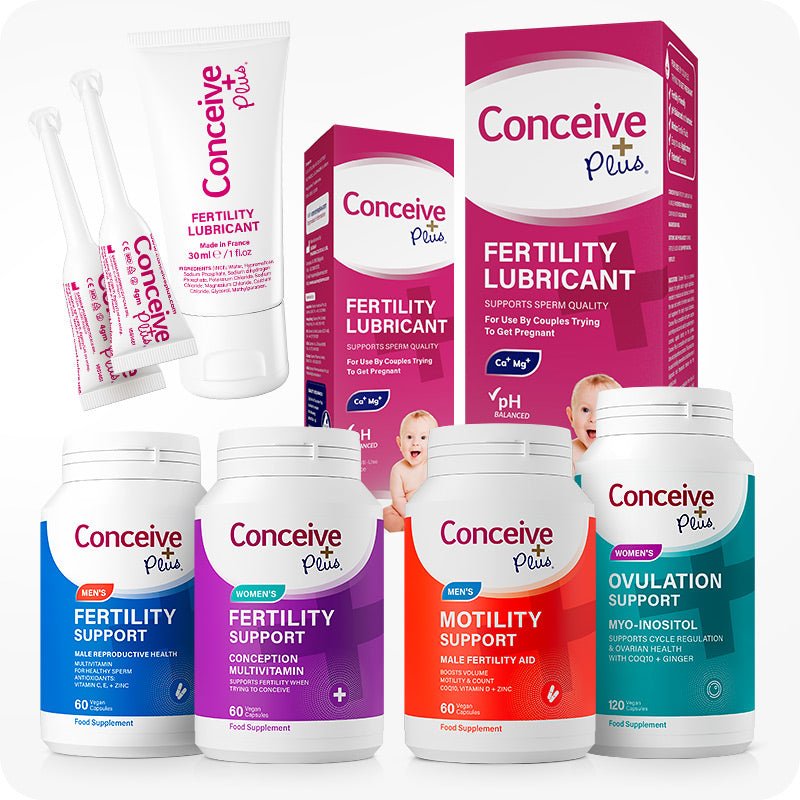
Sleep hygiene is another non-negotiable pillar of reproductive health. Most testosterone production occurs during deep sleep, making a consistent 7 to 9 hour window essential for peak hormonal output. When food alone isn't enough to meet the high demands of the 90-day spermatogenesis cycle, strategic supplementation can bridge the gap. High-quality fertility product bundles are designed to provide concentrated doses of the key nutrients we discussed earlier, ensuring your body has everything it needs even on busy days when meal prep is difficult.
Managing Oxidative Stress Beyond the Plate
Your diet for male fertility works to neutralize oxidative stress, but lifestyle habits like smoking or vaping can overwhelm these defenses. Tobacco use is directly linked to increased sperm DNA fragmentation, which can make conception much harder. Managing mental stress is just as critical. High cortisol levels have an antagonistic relationship with testosterone; as one goes up, the other usually goes down. Incorporating daily stress-reduction techniques helps maintain a hormonal environment where sperm can thrive. It's also helpful to stay aligned with your partner's cycle using an ovulation calculator to ensure your efforts are timed for maximum impact.
Setting Your 90-Day Success Plan
Tracking your progress over the next three months involves more than just waiting for a lab test. Many men report noticeable shifts in their energy levels, libido, and overall mood within the first few weeks of improving their nutrition. Adhering to this plan is often easier when couples follow the Mediterranean-style diet together. This shared commitment reduces the temptation of "sperm killer" foods and fosters a supportive environment for both partners. Ready to take the first step? View our special offers to jumpstart your fertility journey with the right tools and support for your 90-day reboot.
Take Control of Your 90-Day Fertility Journey
The path to fatherhood is built on the daily choices you make over a 90-day cycle. By embracing the Mediterranean blueprint and prioritizing "Power Players" like Zinc and Omega-3s, you're actively protecting your genetic legacy. Remember that your environment matters just as much as your plate. Managing heat stress and ensuring quality sleep are the final pieces of the puzzle that allow your nutritional efforts to truly take hold. Adopting a targeted diet for male fertility isn't just about food; it's about creating a high-performance environment for your future child.
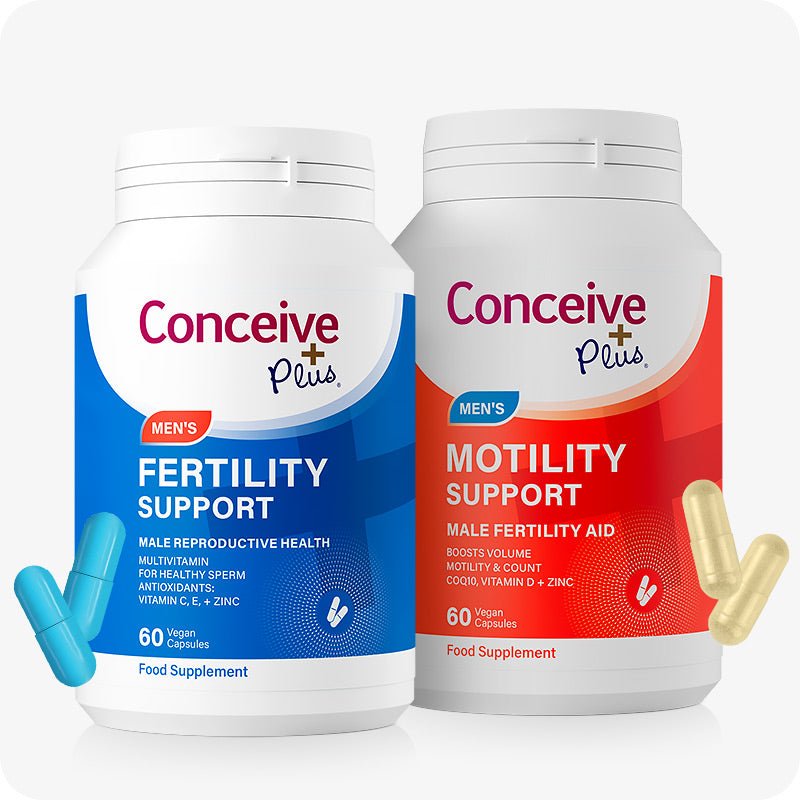
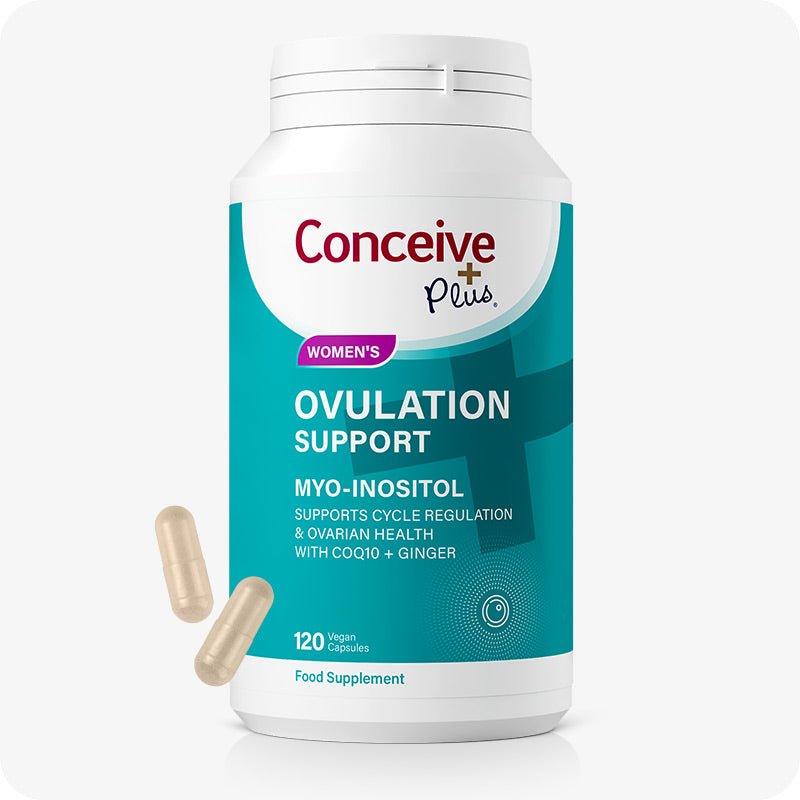
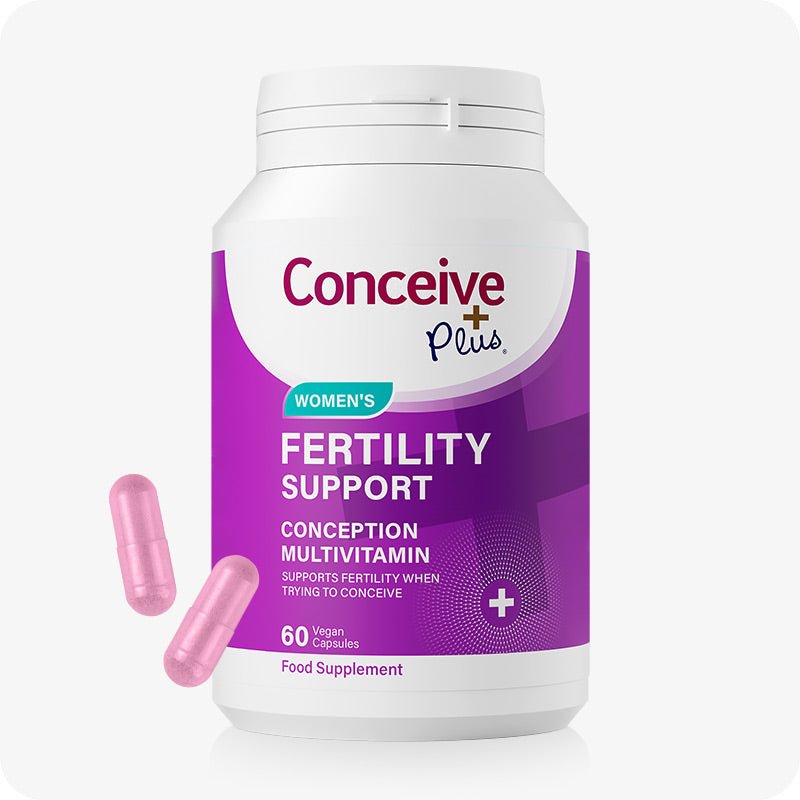
When you're ready to bridge the gap between daily meals and optimal reproductive health, we're here to help. Shop our scientifically formulated Fertility Support Bundles to provide your body with the precise nutrients it needs. Trusted by millions of couples worldwide and recommended by fertility clinics and specialists, our products are designed to support your journey every step of the way. You have the power to influence your health and your family's future starting today. Stay consistent, stay focused, and trust the process.
Frequently Asked Questions
How long does it take for diet to improve sperm quality?
It takes approximately 90 days to see the full impact of a diet for male fertility because of the spermatogenesis cycle. While some metabolic markers of health might improve sooner, sperm cells require about three months to fully mature and benefit from these nutritional changes. Consistency is your greatest asset during this window to ensure every new batch of cells is developed in a nutrient-rich environment.
Can I drink coffee while trying to conceive?
You can enjoy coffee in moderation, but it's best to keep your intake below 300mg of caffeine per day. This is roughly equivalent to two standard cups of coffee. High caffeine consumption has been linked to potential DNA fragmentation in sperm, so sticking to a safe threshold helps protect your reproductive health without requiring total abstinence. Try to avoid adding excessive sugar or processed creamers to your morning brew.
Is soy really bad for male fertility?
Moderate soy consumption isn't harmful to male fertility according to the latest 2026 research consensus. While soy contains phytoestrogens, whole food sources like edamame or tofu don't typically lower testosterone levels in healthy men. You should, however, avoid heavily processed soy isolates often found in cheap protein powders or meat substitutes. These processed versions are more likely to interfere with your hormonal balance than traditional, whole soy products.
Do I need to eat 100% organic to see results?
You don't need to eat 100% organic to see results, but reducing pesticide exposure is certainly beneficial for your hormones. Prioritizing organic options for the "Dirty Dozen" list can help limit your intake of endocrine-disrupting chemicals that mimic estrogen. Focus primarily on eating whole, minimally processed foods, as the overall nutritional density of your diet for male fertility is more critical than an all-or-nothing organic approach.
How many walnuts should I eat a day for sperm health?
Aim to eat about 75 grams of raw walnuts daily to boost sperm vitality and motility. This amount is roughly equivalent to two handfuls or about 15 to 20 whole walnut halves. This specific quantity has been validated in clinical studies to provide the necessary alpha-linolenic acid (ALA). These healthy fats support the structural integrity of sperm cell membranes, which is essential for the sperm's ability to fertilize an egg.
Does wearing tight underwear negate a good diet?
Tight underwear can significantly hinder your progress by increasing the temperature of the testes. Because sperm production requires a environment that is cooler than your core body temperature, the "heat stress" caused by restrictive clothing can damage sperm even if your nutrition is perfect. Switching to looser styles like boxers is a simple lifestyle adjustment that ensures your dietary efforts aren't wasted by physical environmental factors.
Is a vegan diet good for male fertility?
A vegan diet can be excellent for male fertility if it's well-planned and rich in diverse plant proteins and antioxidants. However, plant-based eaters must be vigilant about getting enough Zinc, Vitamin B12, and Omega-3 fatty acids, which are often more bioavailable in animal products. Using high-quality, targeted supplements can help vegans maintain the specific nutrient density required for healthy sperm development without compromising their dietary choices or ethical beliefs.
Can certain foods increase my sperm count overnight?
No specific food or supplement can increase your sperm count overnight because of the biological 90-day maturation cycle. Any positive change you make to your lifestyle today will take about three months to manifest in a professional semen analysis. Beware of any "quick fix" claims; real improvement comes from sustained nutritional habits that support the entire biological manufacturing process from germ cell to mature swimmer.