The Fertility Diet: European Foods and Nutrients That Support Conception and Hormone Balance


The Fertility Diet: European Foods and Nutrients That Support Conception and Hormone Balance
When couples across Europe begin their journey toward parenthood, nutrition is often one of the first—and most powerful—levers they can pull. The foods you eat every day shape your hormonal environment, influence the quality of your eggs and sperm, and help prepare your body for the profound demands of pregnancy. Decades of research, much of it conducted within European institutions, point to a clear conclusion: what you put on your plate matters enormously when you're trying to conceive.
This article explores the relationship between diet and fertility through the lens of European dietary patterns—particularly the celebrated Mediterranean diet—and highlights the key nutrients that scientific evidence links to better reproductive outcomes. Whether you're just starting out on your TTC (trying to conceive) journey or have been at it for a while, understanding the fertility-diet connection can give you a meaningful edge.
Why Diet Matters for Fertility: The Science Behind Nutrition and Conception
Fertility is not simply a matter of timing or luck. The body requires a finely tuned hormonal orchestra to ovulate reliably, produce healthy eggs and sperm, and sustain a pregnancy. That orchestra depends heavily on the raw materials it receives—vitamins, minerals, healthy fats, amino acids, and antioxidants sourced primarily from food.
A landmark study published in Human Reproduction found that women who most closely adhered to a Mediterranean-style diet had significantly higher rates of clinical pregnancy and live birth during IVF treatment compared to those with less healthy dietary patterns. Similar findings emerged from the European LIFESTYLE trial, which examined how modifiable lifestyle factors—including diet—affected fertility outcomes in overweight and obese subfertile women across the Netherlands.
The mechanisms are well understood. Chronic inflammation, oxidative stress, insulin resistance, and nutrient deficiencies all impair reproductive function. A diet rich in antioxidants, healthy fats, fibre, and key micronutrients counteracts each of these threats. Conversely, diets high in ultra-processed foods, refined sugars, and trans fats promote the very conditions that undermine fertility.
According to the European Food Safety Authority (EFSA), nutrient inadequacies are widespread across EU populations, with vitamin D, folate, iodine, and omega-3 fatty acids among the most commonly deficient. These happen to be precisely the nutrients most critical to reproductive health—making dietary awareness especially important for Europeans planning a pregnancy.
The Mediterranean Diet and Fertility: Europe's Gold Standard for Reproductive Health
Recommended by Fertility Experts
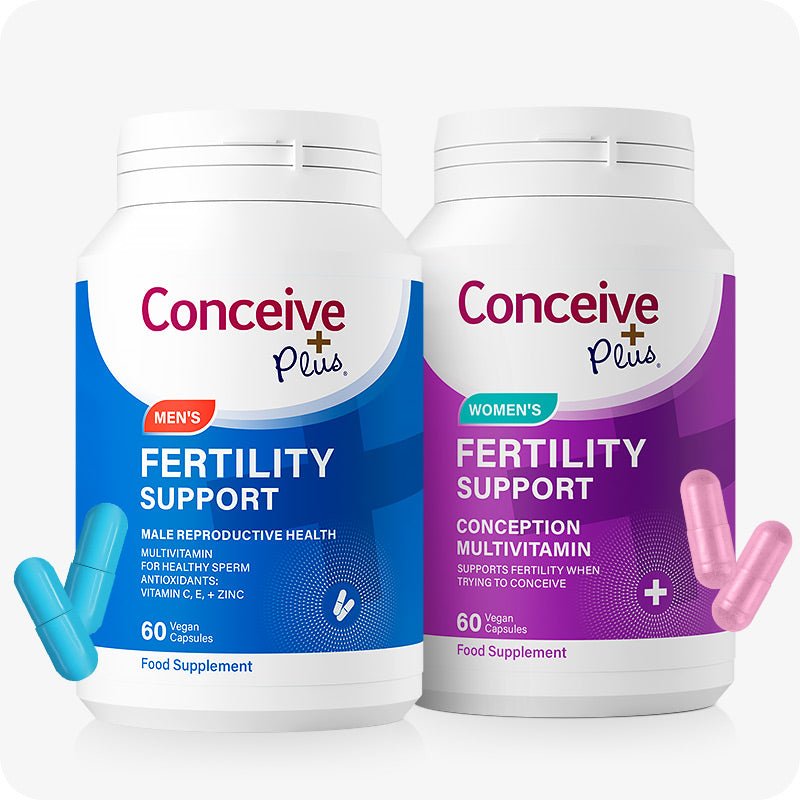
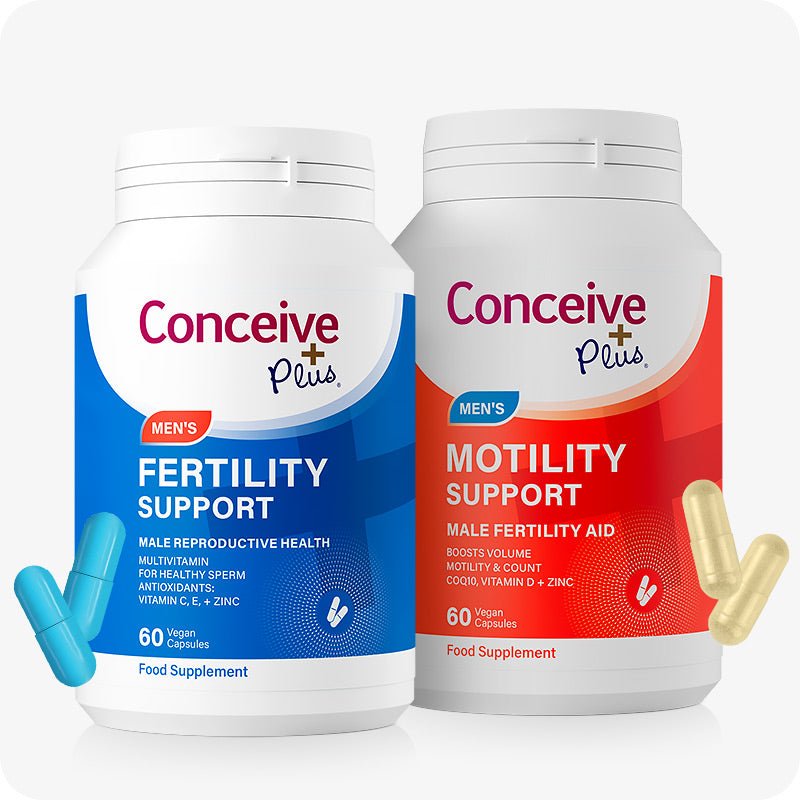
Conceive Plus Men's Fertility Support
Designed to support healthy sperm production, motility, and overall male reproductive health with clinically studied nutrients.
Shop Now →No dietary pattern has been studied more extensively in the context of fertility than the Mediterranean diet. Originating from the coastal regions of southern Europe, this way of eating is characterised by abundant fruits and vegetables, whole grains, legumes, nuts, olive oil, fish, and moderate amounts of dairy—with limited red meat and processed foods.
A 2018 study published in Human Reproduction, conducted among women undergoing IVF at a Greek fertility clinic, found that women who followed a Mediterranean diet in the six months prior to treatment were 65–68% more likely to achieve clinical pregnancy and live birth compared to those with low adherence. The researchers attributed this benefit to the diet's anti-inflammatory properties, its high antioxidant content, and its positive effects on insulin sensitivity.
For men, the Mediterranean diet is equally beneficial. A Spanish study found that men with the highest adherence to Mediterranean dietary patterns had significantly better sperm motility and morphology—two key measures of sperm quality. The combination of zinc, folate, vitamin C, lycopene, and omega-3 fatty acids found abundantly in this dietary pattern appears to protect sperm DNA from oxidative damage.
What makes the Mediterranean diet particularly well suited to a pan-European audience is its accessibility. Many of its core foods—olive oil, seasonal vegetables, legumes, whole grains, and fresh fish—are widely available and culturally familiar across the continent, from Spain and Italy to Greece and France, and increasingly in northern Europe as well.
Key Mediterranean fertility foods include:
- Extra virgin olive oil – rich in oleic acid and polyphenols, supports hormone synthesis and reduces inflammation
- Leafy greens (spinach, rocket, Swiss chard) – high in folate, iron, and magnesium
- Oily fish (salmon, sardines, mackerel) – excellent source of omega-3 fatty acids and vitamin D
- Legumes (lentils, chickpeas, beans) – provide plant protein, folate, and fibre
- Nuts and seeds – deliver zinc, selenium, vitamin E, and healthy fats
- Whole grains (oats, quinoa, bulgur, rye) – stabilise blood sugar and provide B vitamins
- Tomatoes and red peppers – rich in lycopene and vitamin C, protective for both egg and sperm
- Berries – high in antioxidants that combat oxidative stress in reproductive cells
Key Fertility Nutrients: What You Need and Where to Find Them
While the overall dietary pattern matters enormously, specific nutrients play targeted roles in reproductive health. Here is a detailed look at the most critical fertility nutrients, backed by European and international research.
Folate (Vitamin B9)
Folate is perhaps the most widely recognised fertility nutrient, and for good reason. It is essential for DNA synthesis, cell division, and the early development of the neural tube in the embryo. EFSA recommends that women planning a pregnancy consume 400 micrograms of folic acid daily, in addition to dietary folate.
Natural food sources of folate include dark leafy greens (spinach, kale, rocket), asparagus, broccoli, lentils, chickpeas, and fortified cereals. However, achieving adequate levels through diet alone can be challenging, which is why supplementation is widely recommended across European health authorities.
For men, folate is equally important. Studies have shown that inadequate folate intake is associated with higher rates of sperm DNA fragmentation—a factor that can affect fertilisation and embryo development.
Vitamin D
Often called the "sunshine vitamin," vitamin D is synthesised in the skin upon exposure to sunlight—something that can be limited across much of Europe, particularly in northern countries during the autumn and winter months. This makes dietary sources and supplementation particularly important for European couples trying to conceive.
Vitamin D receptors are present in ovarian cells, the uterus, and the placenta, suggesting a direct role in reproductive function. Research published in the European Journal of Obstetrics & Gynaecology and Reproductive Biology found that vitamin D deficiency was associated with lower rates of clinical pregnancy in women undergoing IVF. Among men, vitamin D has been shown to support testosterone production and improve sperm motility.
Dietary sources of vitamin D include oily fish (salmon, mackerel, herring), egg yolks, and fortified dairy products. However, supplementation is often necessary to reach optimal levels, particularly between October and March across most of Europe.
Omega-3 Fatty Acids
Omega-3 fatty acids—particularly EPA (eicosapentaenoic acid) and DHA (docosahexaenoic acid)—are long-chain polyunsaturated fats found abundantly in oily fish. They play a fundamental role in hormone synthesis, reduce systemic inflammation, and are critical building blocks for the developing brain and nervous system of a foetus.
For women, omega-3s support ovarian function and egg quality, and appear to extend the reproductive lifespan by slowing ovarian ageing. A study from Harvard School of Public Health found that women with higher omega-3 intake had a reduced risk of ovulatory infertility.
For men, DHA is the dominant fatty acid in sperm cell membranes, and adequate levels are associated with better sperm motility and reduced DNA damage. A 2020 meta-analysis found that omega-3 supplementation significantly improved sperm concentration, motility, and morphology.
The best dietary sources are oily fish—aim for two to three portions per week of salmon, mackerel, sardines, or herring. For those who do not eat fish, algae-based omega-3 supplements provide a vegan alternative and are the original source of DHA that fish accumulate in their tissues.
Zinc
Zinc is essential for DNA synthesis, cell division, and the production of sex hormones. For women, zinc plays a role in follicle development and ovulation. For men, it is concentrated in the prostate and sperm, where it supports testosterone synthesis, sperm production, and motility.
European population data consistently show that zinc intake falls below recommended levels in significant portions of the population. Good dietary sources include oysters (an exceptionally rich source), red meat, poultry, pumpkin seeds, hemp seeds, lentils, and whole grains. However, plant-based forms of zinc are less bioavailable due to the presence of phytates in grains and legumes, making supplementation worth considering for those following plant-heavy diets.
Iron
Iron deficiency is the most common nutritional deficiency worldwide, and it has specific implications for fertility. Iron is needed for healthy ovulation—studies have found that women with higher iron intake from supplements and plant foods had a lower risk of ovulatory infertility. Adequate iron also prepares the body for the increased demands of early pregnancy.
Good sources of iron include red meat, liver, legumes, tofu, fortified cereals, pumpkin seeds, and dark leafy greens. Consuming iron-rich foods alongside vitamin C sources (such as orange juice or red peppers) significantly improves absorption.
Selenium
Selenium is a trace mineral with powerful antioxidant properties. In the reproductive system, it protects eggs and sperm from oxidative damage and is required for the synthesis of thyroid hormones—which in turn regulate the menstrual cycle and ovulation. Brazil nuts are the richest dietary source, with just one or two nuts providing the daily requirement. Other sources include fish, eggs, and whole grains.
Coenzyme Q10 (CoQ10)
Though not a classic vitamin or mineral, CoQ10 deserves mention as an increasingly well-researched fertility nutrient. It functions as an antioxidant within the mitochondria—the energy-producing structures within every cell, including eggs and sperm. As we age, CoQ10 levels decline, which may partly explain the age-related decline in egg and sperm quality. Supplementation has shown promise in improving both egg quality in women undergoing IVF and sperm parameters in men with subfertility.
Foods to Eat and Foods to Limit When Trying to Conceive
Beyond specific nutrients, the broader dietary pattern—including what to eat more of and what to reduce—has a meaningful impact on fertility outcomes.
Prioritise These Foods
- Colourful vegetables and fruits – provide antioxidants, vitamins, and phytonutrients that protect reproductive cells
- Whole grains – support stable blood sugar levels and provide B vitamins including folate
- Plant proteins – legumes and nuts appear to support ovulatory function better than animal proteins in some studies
- Full-fat dairy – a Harvard Nurses' Health Study found that women who consumed full-fat dairy products had lower rates of ovulatory infertility compared to those consuming low-fat dairy
- Oily fish – for omega-3s and vitamin D; choose lower-mercury options like sardines, mackerel, and herring
- Eggs – provide choline, vitamin D, B12, and protein; the yolk contains most of the micronutrients
- Fermented foods (yogurt, kefir, kimchi, sauerkraut) – support gut microbiome health, which emerging research links to hormonal balance and immune function in the reproductive tract
Limit or Avoid These
- Ultra-processed foods – associated with higher levels of systemic inflammation and worse reproductive outcomes
- Refined carbohydrates and added sugars – spike blood sugar and insulin, disrupt ovulation, and worsen PCOS symptoms
- Trans fats – found in some processed snacks, baked goods, and fast food; strongly associated with ovulatory infertility
- Excess alcohol – even moderate intake is associated with reduced fertility in women; for men, heavy drinking impairs testosterone and sperm production
- High-mercury fish – swordfish, shark, king mackerel; mercury accumulates in tissues and is harmful to a developing foetus
- Highly processed meats – sausages, bacon, and processed deli meats are associated with poorer sperm quality
- Excessive caffeine – while moderate caffeine intake (under 200mg per day) appears safe, high intake has been linked to early pregnancy loss
- Soy in very large quantities – contains phytoestrogens that in very high amounts may interfere with hormonal balance; moderate consumption from whole soy foods is generally considered safe
How Diet Affects Egg Quality and Sperm Health
Understanding how nutrition directly influences the biology of eggs and sperm can provide powerful motivation to make dietary changes.
Egg Quality
Egg quality refers to the chromosomal integrity and mitochondrial health of the oocyte. Poor egg quality is a major cause of failed fertilisation, failed implantation, and early miscarriage. While egg quality is influenced by age, it is also modifiable by diet.
The mitochondria within the egg generate the energy needed for fertilisation and early embryo development. CoQ10, B vitamins, and adequate calories all support mitochondrial function. Antioxidants—particularly vitamins C and E, selenium, and phytonutrients from colourful produce—protect eggs from oxidative damage, which increases with age and exposure to environmental stressors.
Blood sugar regulation is also critical. Insulin resistance, which is closely tied to diet, disrupts the hormonal signalling that governs follicle development and ovulation. A diet low in refined carbohydrates and high in fibre helps maintain insulin sensitivity and creates a hormonal environment more conducive to healthy ovulation.
Sperm Health
Male fertility has declined significantly across Europe over recent decades. A major 2017 meta-analysis led by Hebrew University found that sperm concentration among Western men fell by more than 50% between 1973 and 2011—a trend that researchers have linked partly to dietary patterns, along with environmental and lifestyle factors.
Diet influences sperm health through several pathways. Antioxidant nutrients—including vitamins C and E, selenium, zinc, and lycopene—protect sperm DNA from oxidative damage. Omega-3 fatty acids support healthy sperm membrane structure, which is essential for motility and the ability to penetrate an egg. Folate and zinc are required for normal sperm production (spermatogenesis).
Research published in Andrology found that men who consumed a "Western diet" high in red and processed meats, refined grains, sweets, and snacks had significantly worse sperm quality compared to men following healthier dietary patterns. Conversely, men with high adherence to a Mediterranean-style diet had better sperm parameters across multiple measures.
Hormonal Balance and the Role of Nutrition
Hormonal balance is foundational to fertility. For women, the complex interplay of oestrogen, progesterone, follicle-stimulating hormone (FSH), and luteinising hormone (LH) governs the monthly cycle of follicle development, ovulation, and the preparation of the uterine lining for implantation. For men, testosterone, FSH, and LH govern sperm production and function.
Diet influences hormone balance in multiple ways:
- Fat intake – cholesterol and healthy fats are the building blocks of all steroid hormones, including oestrogen, progesterone, and testosterone. Very low-fat diets can impair hormone synthesis.
- Fibre – dietary fibre helps the body eliminate excess oestrogen through the gut, preventing the hormonal imbalance associated with oestrogen dominance.
- B vitamins – B6, B12, and folate support liver detoxification pathways that process and clear hormones from the body.
- Iodine – essential for thyroid hormone production; thyroid dysfunction is a significant cause of menstrual irregularity and infertility in women. EFSA notes that iodine intake is inadequate in many European countries.
- Magnesium – involved in hundreds of enzymatic reactions, including those that regulate the production and breakdown of hormones. Deficiency is common across Europe and is associated with PMS, irregular cycles, and insulin resistance.
- Vitamin B6 – supports progesterone production and may help lengthen the luteal phase in women with progesterone insufficiency.
Conditions such as polycystic ovary syndrome (PCOS)—the most common hormonal disorder in women of reproductive age, affecting an estimated 10% of European women—have a strong dietary component. Anti-inflammatory, low-glycaemic diets are among the most effective evidence-based interventions for managing PCOS and restoring ovulatory function.
Supporting Your Fertility Journey with Conceive Plus Supplements
While a nutrient-rich diet is the foundation of reproductive health, achieving optimal levels of every fertility-critical nutrient through food alone can be challenging—particularly given the widespread deficiencies documented across European populations. This is where targeted supplementation can make a meaningful difference.
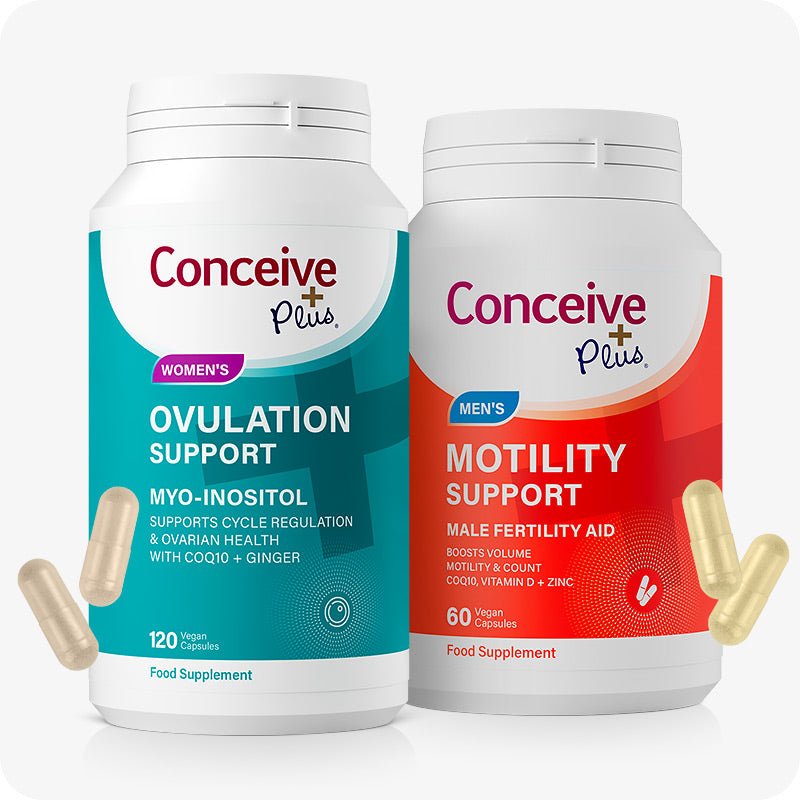
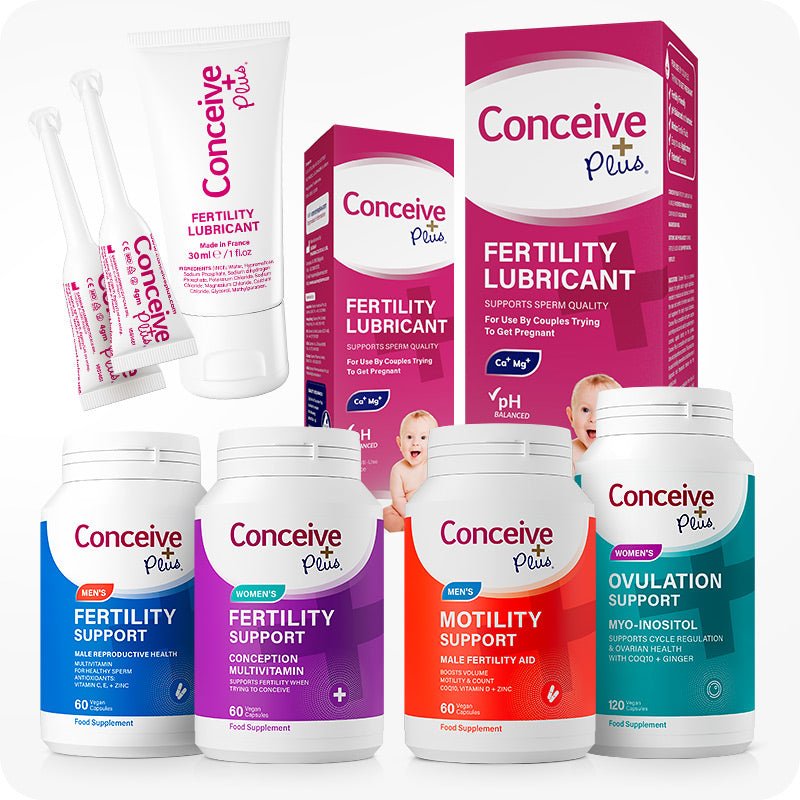
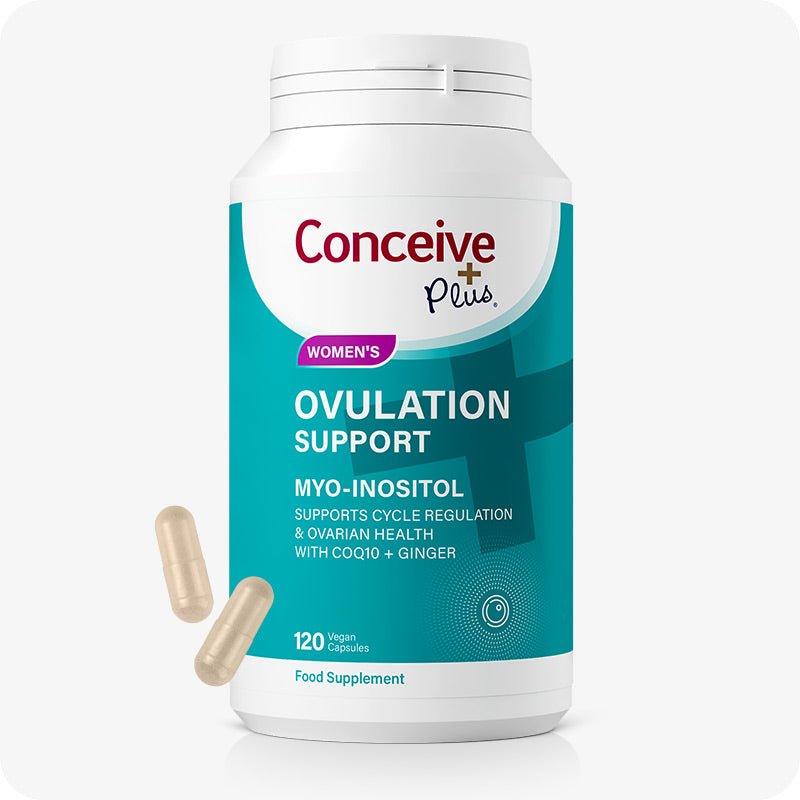
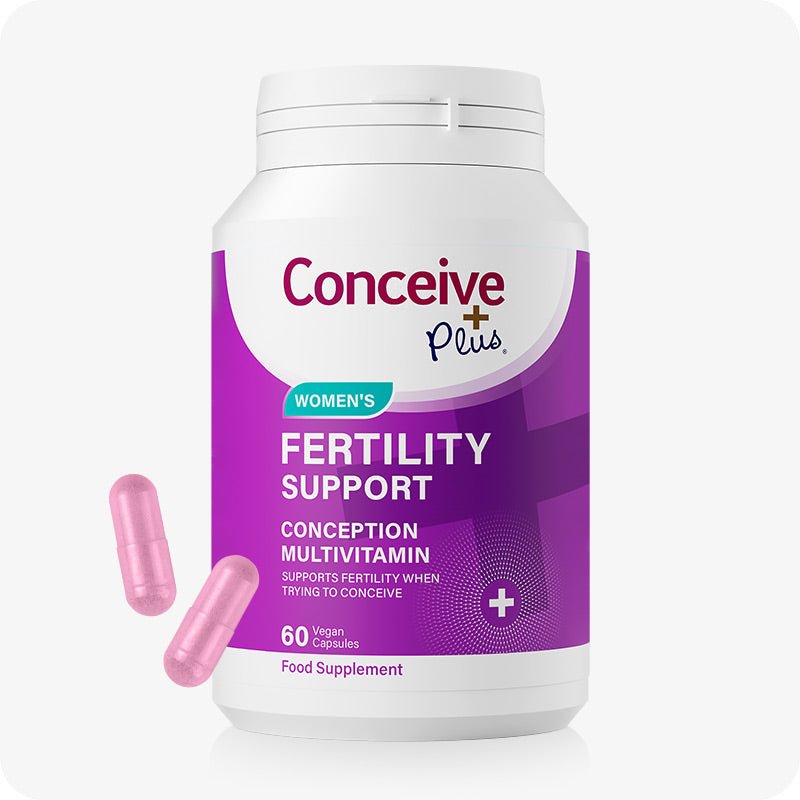
Conceive Plus offers a range of science-backed fertility supplements designed to complement a healthy diet and support both male and female reproductive health. Available across Europe at conceiveplus.eu, these products are formulated with the key nutrients discussed in this article:
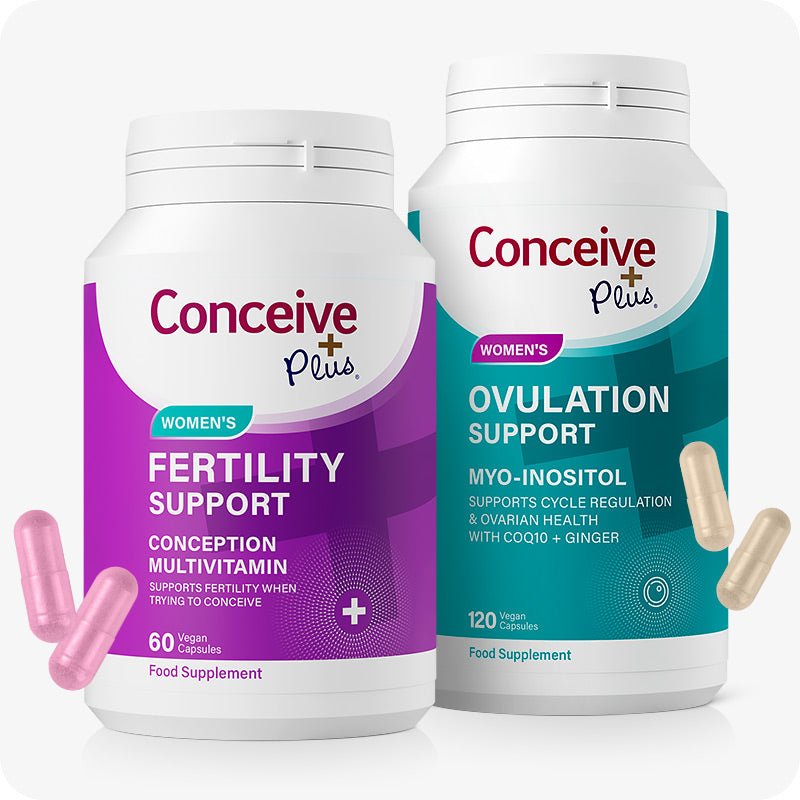
- Conceive Plus Women's Fertility Support – a comprehensive daily supplement featuring folate (as methylfolate for superior absorption), vitamin D3, iron, iodine, zinc, selenium, and CoQ10, designed to support healthy ovulation, egg quality, and hormonal balance.
- Conceive Plus Men's Fertility Support – formulated with zinc, selenium, vitamin C, vitamin E, CoQ10, and lycopene to support sperm production, motility, and DNA integrity.
- Conceive Plus Prenatal DHA – provides omega-3 DHA from algae, making it suitable for vegetarians and vegans, alongside folate and vitamin D to support conception and early pregnancy.
Conceive Plus products are developed in line with EFSA nutritional guidelines and are available without a prescription. They are trusted by thousands of couples across Europe who are working to optimise their fertility through a holistic approach that combines nutrition, lifestyle, and targeted supplementation.
If you're unsure which supplement is right for your situation, the Conceive Plus website offers detailed product information and guidance to help you choose the right support for your journey.
Practical Tips: Building a Fertility-Friendly Diet in Europe
Making meaningful dietary changes doesn't have to be complicated or expensive. Here are practical strategies to incorporate more fertility-supportive foods into your daily routine, using ingredients widely available across Europe.
- Start the day with a nutrient-dense breakfast – try overnight oats with berries and ground flaxseed, or eggs with wilted spinach on wholegrain toast. Both options provide folate, iron, omega-3s, and protein.
- Swap refined grains for whole grains – choose wholegrain rye bread, oat porridge, quinoa, or wholegrain pasta instead of their refined counterparts to stabilise blood sugar and boost B vitamin intake.
- Eat oily fish twice a week – sardines, mackerel, and herring are affordable and widely available across European markets, and are among the richest dietary sources of omega-3s and vitamin D.
- Make vegetables the centre of the plate – aim to fill at least half your plate with a variety of colourful vegetables at each meal. Roasted Mediterranean vegetables (courgette, aubergine, peppers, tomatoes) dressed with olive oil are a delicious and fertile choice.
- Add legumes to your meals – lentil soups, chickpea salads, and bean stews are staple foods across the Mediterranean that provide plant protein, folate, iron, and fibre at low cost.
- Use olive oil as your primary fat – for cooking, dressing salads, and drizzling over vegetables; extra virgin olive oil provides anti-inflammatory polyphenols and oleic acid that support hormone synthesis.
- Snack on nuts and seeds – a small handful of walnuts, pumpkin seeds, or Brazil nuts provides zinc, selenium, omega-3s, and vitamin E—a powerful fertility snack.
- Stay hydrated – adequate water intake supports cervical mucus production in women and semen volume in men. Aim for 1.5–2 litres per day from water and herbal teas.
- Limit alcohol and cut out smoking – both are independently associated with reduced fertility in men and women and increased miscarriage risk; eliminating them is one of the highest-impact lifestyle changes you can make.
- Take your prenatal supplement daily – even with an excellent diet, a quality prenatal or fertility supplement helps close nutritional gaps and ensures you're meeting the elevated demands of pre-conception and early pregnancy.
Frequently Asked Questions (FAQ)
Q1: How long does it take for dietary changes to improve fertility?
Eggs take approximately 90 days to mature from a primordial follicle to the point of ovulation—a process called folliculogenesis. Sperm production (spermatogenesis) takes roughly 72–74 days. This means that dietary improvements made today will have their most significant impact on eggs and sperm produced in three months' time. For this reason, fertility experts often recommend beginning dietary and lifestyle optimisation at least three months before you start actively trying to conceive.
Q2: Is the Mediterranean diet suitable for all Europeans trying to conceive?
Yes, the Mediterranean diet is well suited to a European context. While it originated in southern European countries, its core components—vegetables, fruits, whole grains, legumes, olive oil, fish, and nuts—are widely available across all EU countries. Northern Europeans may need to be more intentional about vitamin D intake given lower sunlight exposure, but the dietary framework is broadly applicable. It can also be adapted to accommodate vegetarian, vegan, or culturally specific preferences.
Q3: Does diet affect fertility for men as well as women?
Absolutely. Approximately 40–50% of fertility challenges involve male factor issues, including suboptimal sperm count, motility, or morphology. Diet profoundly influences all of these parameters. A diet rich in antioxidants, omega-3 fatty acids, zinc, folate, and selenium supports sperm production and protects sperm DNA from damage. Conversely, diets high in processed foods, saturated fats, and added sugars are associated with poorer sperm quality. Both partners should prioritise fertility nutrition when trying to conceive.
Q4: Should I follow a low-carbohydrate diet to improve fertility?
Not necessarily. The quality of carbohydrates matters more than the quantity. Diets high in refined carbohydrates and added sugars—white bread, pastries, sugary drinks, processed snacks—disrupt blood sugar and insulin levels, which can impair ovulation. However, complex carbohydrates from whole grains, legumes, vegetables, and fruit provide essential B vitamins, fibre, and phytonutrients that support fertility. A low-glycaemic, high-fibre dietary pattern—rather than a strictly low-carbohydrate diet—is what research supports for reproductive health.
Q5: Can diet help with PCOS-related infertility?
Yes, significantly. Polycystic ovary syndrome (PCOS) is a hormonal disorder characterised by insulin resistance, elevated androgens, and irregular ovulation. Diet is one of the most effective evidence-based interventions for PCOS. An anti-inflammatory, low-glycaemic diet—emphasising vegetables, legumes, whole grains, lean proteins, and healthy fats, while limiting refined sugars and processed foods—can meaningfully improve insulin sensitivity, reduce androgens, and restore more regular ovulation. Even a 5–10% reduction in body weight in women with PCOS who are overweight can restore ovulatory function.
Q6: Is it safe to eat fish during preconception?
Yes, with some important caveats. Oily fish are among the best dietary sources of omega-3 fatty acids and vitamin D, both of which are important for fertility and early fetal development. However, certain fish contain high levels of mercury, which can be harmful. European food safety authorities recommend limiting or avoiding high-mercury fish such as swordfish, shark, marlin, and king mackerel during preconception and pregnancy. Instead, choose lower-mercury oily fish such as salmon, sardines, mackerel (not king mackerel), herring, and anchovies, and aim for 2–3 portions per week.
Q7: Do I need to take folic acid even if I eat plenty of folate-rich foods?
Yes, European health authorities—including national health services across the EU and the European Board and College of Obstetrics and Gynaecology (EBCOG)—recommend that women planning a pregnancy take a folic acid supplement (typically 400 micrograms per day) in addition to eating folate-rich foods. The supplement is particularly important in the first 12 weeks of pregnancy when the neural tube is forming, but ideally supplementation should begin at least one month—and preferably three months—before conception. Dietary folate is valuable but variable and not sufficient on its own to guarantee adequate levels at the critical early stages of pregnancy.
Q8: Does caffeine affect fertility?
Moderate caffeine consumption—up to approximately 200mg per day (roughly one to two cups of coffee)—is generally considered safe during preconception and pregnancy by European health authorities. However, high caffeine intake has been associated with increased risk of miscarriage and reduced fertility in some studies. If you're a heavy coffee drinker, reducing your intake to one to two cups per day before and during pregnancy is a sensible precaution. Be mindful that caffeine is also present in tea, energy drinks, cola, and some medications.
Q9: Are fertility supplements safe to take alongside a regular diet?
High-quality fertility supplements from reputable brands are formulated at safe, evidence-based doses and are designed to complement rather than replace a healthy diet. They provide a nutritional safety net for the nutrients most critical to conception. However, it's important to choose supplements from brands that adhere to good manufacturing practices and whose formulations are aligned with EFSA reference intakes. Always inform your doctor or midwife of any supplements you're taking. Certain nutrients, particularly vitamins A and D, can be harmful in excessive doses, so avoid taking multiple supplements that may duplicate the same nutrients without checking cumulative totals.
Q10: How does body weight affect fertility, and can diet help?
Body weight has a significant impact on fertility for both men and women. Both underweight and overweight conditions disrupt hormonal balance and can impair ovulation, menstrual regularity, sperm production, and pregnancy outcomes. Excess adipose (fat) tissue produces oestrogen and inflammatory cytokines that interfere with the reproductive hormonal cycle. In men, obesity is associated with lower testosterone, reduced sperm quality, and erectile dysfunction. A nutritious, calorie-appropriate diet that supports a healthy body weight is one of the most important investments you can make in your fertility. Even modest improvements in weight—5–10% in either direction—can have measurable positive effects on reproductive outcomes.
Conclusion: Nourish Your Fertility, One Meal at a Time
The path to conception is rarely linear, and many factors influence fertility that lie outside of our control. But diet is a powerful and accessible lever—one that you can begin adjusting today with meaningful potential impact on your reproductive health in the months ahead.
The research is clear: a diet that resembles the traditional Mediterranean pattern—abundant in vegetables, fruits, whole grains, legumes, oily fish, nuts, and extra virgin olive oil, while limiting ultra-processed foods, refined sugars, and excess alcohol—creates the hormonal environment and cellular resilience needed for healthy conception. The key fertility nutrients—folate, vitamin D, omega-3 fatty acids, zinc, iron, selenium, and CoQ10—work together in a web of biochemical interactions that support egg quality, sperm health, hormonal balance, and a healthy uterine environment.
For couples across Europe who are navigating the exciting and sometimes challenging journey of trying to conceive, combining a fertility-supportive diet with high-quality supplementation is a holistic strategy backed by robust scientific evidence. Conceive Plus supplements are specifically formulated to bridge nutritional gaps and provide the targeted support your body needs at this important time.
Start with small, sustainable changes. Add a handful of walnuts to your breakfast. Swap white bread for wholegrain rye. Grill some sardines for dinner. Take your daily supplement. These small actions, consistently repeated over months, add up to a meaningful investment in your fertility and your future family.
Ready to support your fertility journey with science-backed nutrition? Explore the full range of Conceive Plus fertility supplements at conceiveplus.eu—trusted by couples across Europe.
Trusted by Couples in Over 70 Countries
Support Male Fertility From the Inside Out
Male fertility is just as important as female fertility in the conception journey. Conceive Plus Men's range delivers targeted nutritional support to promote healthy sperm and overall reproductive wellbeing.
Shop Men's Range →