Male Fertility: A Complete Science-Backed Guide to Improving Sperm Health


Male Fertility: A Complete Science-Backed Guide to Improving Sperm Health
Male fertility contributes to approximately 50% of all infertility cases, yet it remains significantly under-discussed compared to female fertility. For couples across Europe trying to conceive, understanding the science of sperm health — and the evidence-based steps to improve it — is as important as any fertility investigation or treatment. This comprehensive guide covers the key parameters of male fertility, the lifestyle and supplement interventions with the strongest clinical evidence, and how Conceive Plus supports both partners on the path to pregnancy.
Understanding Male Fertility: Sperm Parameters and What They Mean
Male fertility is assessed through semen analysis — a laboratory examination of sperm count, motility, morphology, and semen volume. The World Health Organisation (WHO) fifth edition reference values, published in 2021, define the lower reference limits that distinguish normal from potentially concerning results:
- Sperm concentration: ≥16 million/mL (reduced from the previous 15 million/mL)
- Total sperm count per ejaculate: ≥39 million
- Total motility (progressive + non-progressive): ≥42%
- Progressive motility: ≥30%
- Normal morphology (Kruger strict criteria): ≥4%
- Semen volume: ≥1.4 mL
These reference values represent the 5th percentile of fertile men — meaning men above these thresholds are in the normal fertile range. However, fertility is probabilistic rather than binary. Men with values near but above these thresholds may still experience reduced fertility compared to men with optimal values. Conversely, some men with values slightly below these thresholds can still father children.
European population data from a 2022 multi-centre study published in Human Reproduction found significant sperm quality decline across Western European countries over the past 40 years, with average sperm concentrations falling by approximately 51% between 1973 and 2018. Environmental factors — endocrine-disrupting chemicals, heat exposure, sedentary lifestyle — are implicated as primary drivers of this trend.
Oxidative Stress: The Hidden Cause of Poor Sperm Quality
Oxidative stress — the imbalance between reactive oxygen species (free radicals) and antioxidant defences — is now recognised as a central mechanism in male infertility. Research published in the Journal of Andrology estimates that oxidative stress contributes to sperm dysfunction in 30–80% of infertile men.
Sperm are uniquely vulnerable to oxidative damage for two reasons. First, their plasma membranes are composed of highly polyunsaturated fatty acids (PUFAs) that are easily oxidised by free radicals. Second, sperm have limited antioxidant repair capacity compared to somatic cells, as the cytoplasm — where antioxidant enzymes are concentrated — is largely extruded during sperm maturation to create the compact, streamlined sperm head needed for motility.
The consequences of oxidative damage extend beyond motility impairment. Sperm DNA fragmentation — where oxidative radicals break the DNA strands within the sperm head — is increasingly recognised as a critical fertility parameter. High sperm DNA fragmentation index (DFI) is associated with reduced fertilisation rates in both natural and IVF cycles, impaired embryo development, reduced implantation rates, and higher miscarriage risk.
Antioxidant supplementation directly targets oxidative stress. Nutrients including CoQ10, vitamin C, vitamin E, selenium, zinc, and N-acetyl cysteine have been shown in multiple European clinical trials to reduce oxidative sperm damage, improve sperm DNA integrity, and measurably improve motility and morphology parameters.
European Clinical Evidence for Male Fertility Supplements
The evidence base for male fertility supplementation has expanded substantially over the past decade, with several European randomised controlled trials providing particularly strong data.
A landmark Italian multicentre trial published in Fertility and Sterility found that men supplementing with a combination of CoQ10, L-carnitine, zinc, selenium, folic acid, and vitamin C for three months demonstrated statistically significant improvements in sperm concentration (average increase of 22%), progressive motility (average increase of 18%), and morphology (average increase of 12%) compared to placebo. Spontaneous pregnancy rates during the study period were also significantly higher in the supplementation group.
A Spanish randomised controlled trial published in Andrologia demonstrated that CoQ10 supplementation at 200 mg daily for six months improved sperm motility parameters significantly, with electron microscopy revealing improved mitochondrial ultrastructure in sperm from the supplementation group — directly confirming the mitochondrial mechanism of action.
A German study investigating the effects of selenium and vitamin E co-supplementation found improvements in sperm motility and spontaneous pregnancy rates in men with idiopathic infertility, with a 10.8% spontaneous pregnancy rate in the treatment group versus 0% in the control group over 26 weeks — a clinically remarkable finding that has been corroborated in subsequent studies.
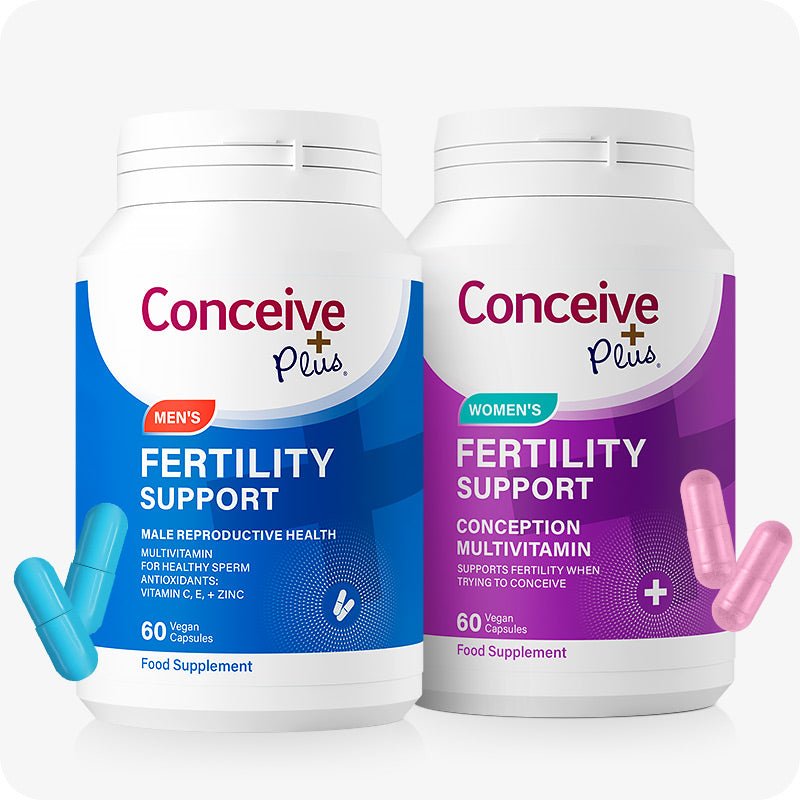
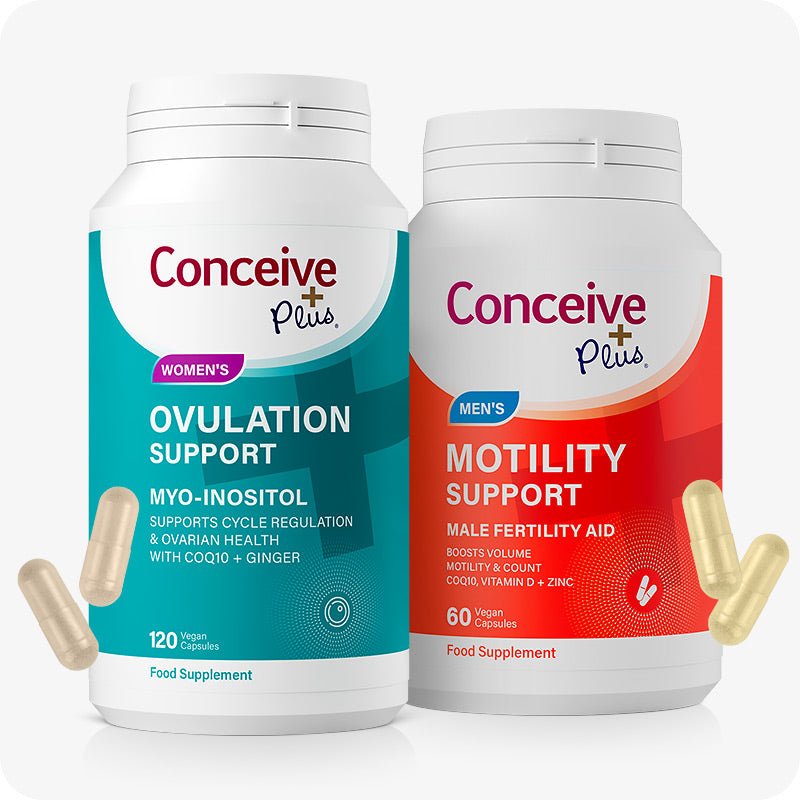
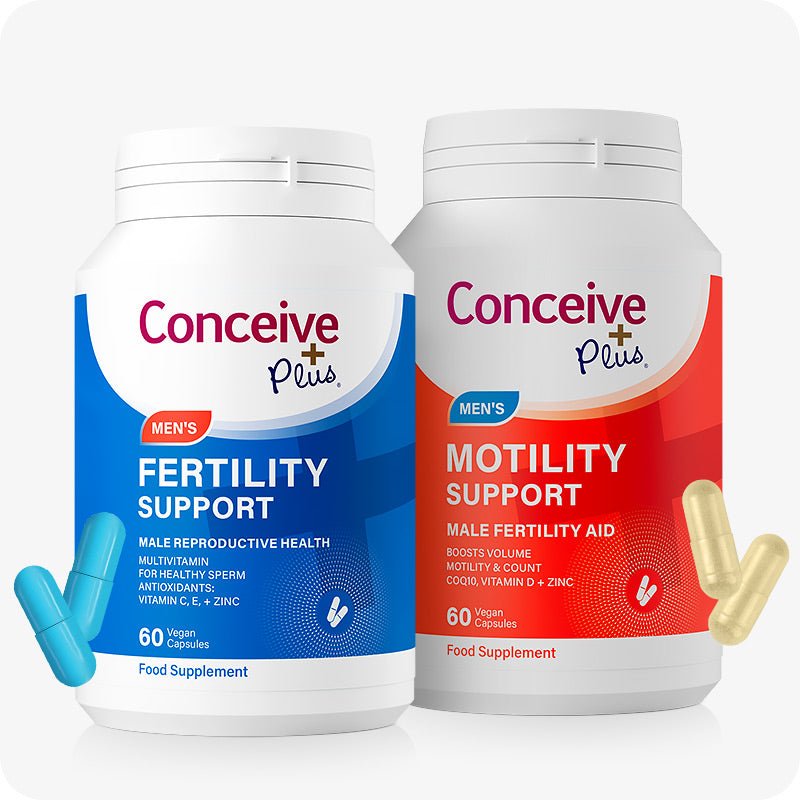
Support your sperm health with Conceive Plus. Our men's fertility supplement combines CoQ10, zinc, selenium, L-carnitine, and a comprehensive antioxidant complex — formulated to address the key parameters of male fertility. Trusted by European couples trying to conceive. Shop Conceive Plus EU now →
Lifestyle Factors: What European Research Shows About Male Fertility
Beyond supplementation, several modifiable lifestyle factors have robust European research supporting their role in male fertility outcomes.
Heat exposure: Spermatogenesis requires a scrotal temperature approximately 2–4°C below core body temperature. Prolonged exposure to elevated scrotal temperatures — from laptop use on the lap, hot baths, cycling, or sedentary work — has been associated with reduced sperm quality in multiple European occupational health studies. A Danish study found that men who regularly wore tight underwear had approximately 25% lower sperm concentrations than men wearing loose underwear, attributable to elevated scrotal temperature.
Exercise and BMI: Both sedentary lifestyle and excessive exercise are associated with reduced sperm quality. A Swedish cohort study found that men exercising moderately (150–300 minutes per week at moderate intensity) had significantly higher sperm concentrations and better morphology than sedentary men or those exercising intensively for more than 15 hours per week. Obesity is associated with hormonal dysregulation — elevated oestrogen, reduced testosterone — that directly impairs spermatogenesis. A 2020 European meta-analysis found that each 5-unit increase in BMI was associated with a 9% reduction in sperm concentration.
Alcohol: A prospective cohort study from Denmark found a dose-dependent relationship between alcohol consumption and sperm quality, with men consuming more than 25 units per week showing significantly reduced sperm volume, concentration, and percentage of normal morphology. Even moderate consumption (5–10 units per week) was associated with lower sperm quality compared to abstinence.
Smoking: Multiple European studies have consistently associated tobacco smoking with reduced sperm count, motility, and morphology, as well as increased sperm DNA fragmentation. The effect is dose-dependent, and cessation has been shown to partially reverse sperm quality decline within 3 months — aligning with the spermatogenesis cycle.
Environmental chemical exposure: Endocrine-disrupting chemicals (EDCs) — including bisphenol A (BPA), phthalates, and pesticides — are ubiquitous in the European environment and have been directly linked to sperm quality decline in multiple biomonitoring studies. Reducing EDC exposure through choosing glass over plastic food containers, minimising canned food consumption, and choosing organic produce where feasible is a practical harm-reduction strategy.
Key Nutrients for Male Fertility: The Clinical Rationale
Zinc (15–30 mg daily): Zinc is the most abundant trace element in the male reproductive system, concentrated in the prostate and in spermatozoa themselves. It is essential for testosterone synthesis, sperm production, and DNA packaging within the sperm head. Zinc deficiency — prevalent across Europe due to soil depletion and high-grain diets — is directly associated with oligozoospermia and poor morphology. Multiple randomised trials have demonstrated that zinc supplementation in deficient men improves sperm count, motility, and morphology.
Selenium (55–100 mcg daily): Selenium is a cofactor for glutathione peroxidase — the primary antioxidant enzyme in sperm. It is also a structural component of selenoprotein P, which is incorporated into the mitochondrial sheath of the sperm tail and is essential for motility. European soil selenium content has declined significantly over recent decades, contributing to widespread insufficiency. Research from the University of Edinburgh found that selenium supplementation improved sperm motility and spontaneous pregnancy rates.
CoQ10 (200–400 mg daily): As a mitochondrial cofactor, CoQ10 is the primary energy substrate for sperm motility. It is concentrated in the midpiece of the sperm tail where mitochondria are located. Clinical trials consistently show improvements in progressive motility with CoQ10 supplementation, with effect sizes proportional to baseline CoQ10 levels and supplementation duration.
L-Carnitine (1–3 g daily): L-carnitine is the predominant organic compound in epididymal fluid and is essential for sperm maturation and motility. It facilitates fatty acid transport into mitochondria for oxidative phosphorylation, directly fuelling progressive motility. A 2019 Cochrane-level systematic review found consistent improvements in sperm motility with L-carnitine supplementation across 17 randomised controlled trials.
Folic Acid/Methylfolate (400–800 mcg daily): Folate is essential for DNA synthesis and repair. In men, adequate folate status is associated with reduced sperm DNA fragmentation and better sperm morphology. Men with lower folate intake have higher rates of chromosomal abnormalities in their sperm, which reduces fertilisation success and increases miscarriage risk.
When to Seek Medical Assessment for Male Fertility Concerns
Supplementation and lifestyle optimisation are appropriate first-line strategies for most men, but medical assessment is warranted in several situations. In Europe, most reproductive medicine guidelines recommend consulting a urologist or andrologist if a couple has been trying to conceive for 12 months without success (6 months if the female partner is over 35), if there is a known history of testicular injury, surgery, or undescended testes, if there are symptoms of hormonal imbalance (reduced libido, erectile dysfunction, gynaecomastia), or if a previous semen analysis has shown significant abnormalities.
Assessment typically begins with semen analysis and hormonal profile (testosterone, FSH, LH, prolactin). In men with azoospermia or severe oligozoospermia, karyotyping and Y-chromosome microdeletion testing may be indicated. Many European healthcare systems — including German statutory health insurance and the French Sécu — cover some or all costs of male infertility investigation.
FAQ: Male Fertility
Can supplements really improve male fertility?
Yes. Multiple European randomised controlled trials have demonstrated statistically significant improvements in sperm count, motility, and morphology with targeted supplementation. Key nutrients include CoQ10, zinc, selenium, L-carnitine, and antioxidant vitamins. The effect is greatest in men with initially poor parameters and in those with demonstrable nutritional deficiencies.
How long do male fertility supplements take to work?
Spermatogenesis — the complete cycle of sperm production — takes approximately 74 days. Most clinical trials assess supplement effects after 3–6 months of consistent supplementation. Starting at least 3 months before actively trying to conceive allows a full spermatogenesis cycle to benefit from supplementation.
Does heat exposure really affect male fertility?
Yes. Spermatogenesis requires a scrotal temperature approximately 2–4°C below body temperature. Prolonged heat exposure from laptops, hot baths, cycling, or sedentary work raises scrotal temperature and measurably reduces sperm quality. These effects are reversible — cooling practices improve sperm quality within the next spermatogenesis cycle (approximately 3 months).
What is sperm DNA fragmentation and does it matter?
Sperm DNA fragmentation refers to breaks or damage in the DNA strands within the sperm head. High fragmentation is associated with reduced fertilisation rates, impaired embryo development, and increased miscarriage risk. Antioxidant supplementation can significantly reduce DNA fragmentation by reducing the oxidative stress that causes it.
Is male fertility testing available across Europe?
Yes. Semen analysis is widely available through reproductive medicine clinics, urology departments, and private laboratories across Europe. Many European health systems cover initial male fertility investigations within broader infertility diagnostic workups.
How does Conceive Plus support male fertility?
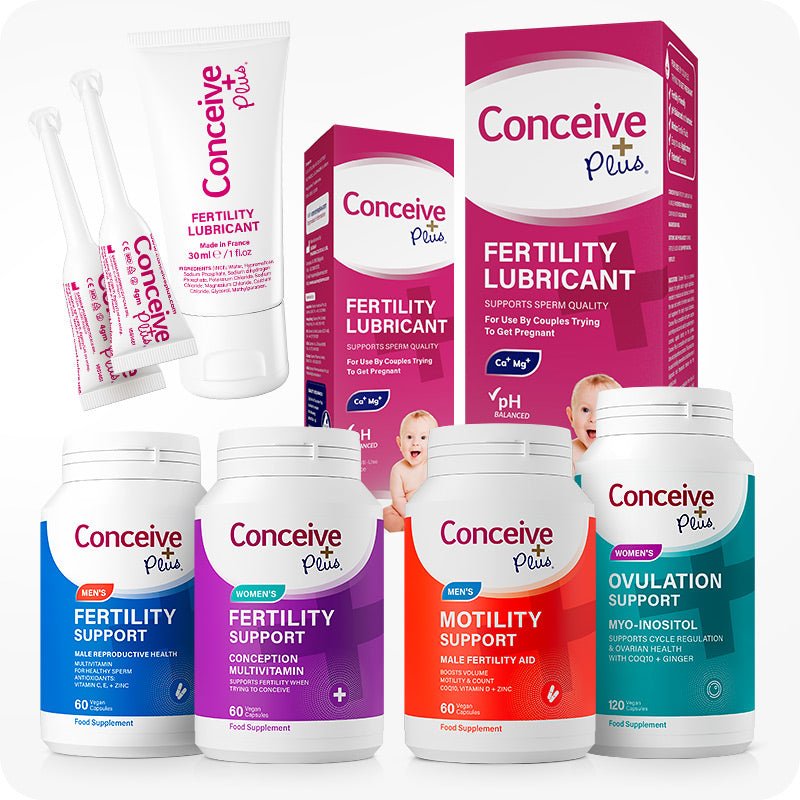
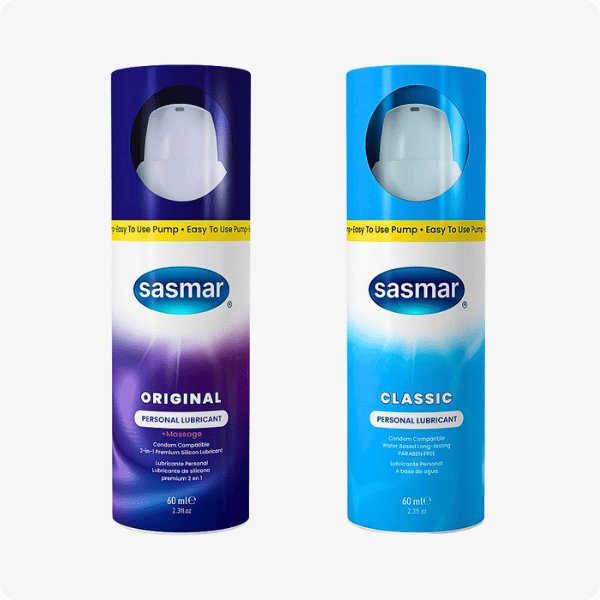
Conceive Plus offers a dedicated men's fertility supplement containing CoQ10, zinc, selenium, L-carnitine, and a comprehensive antioxidant complex targeting the key parameters of sperm quality. Additionally, Conceive Plus fertility lubricant provides a sperm-safe lubricant for intercourse during the fertile window, supporting rather than harming sperm function.
Should both partners take fertility supplements?
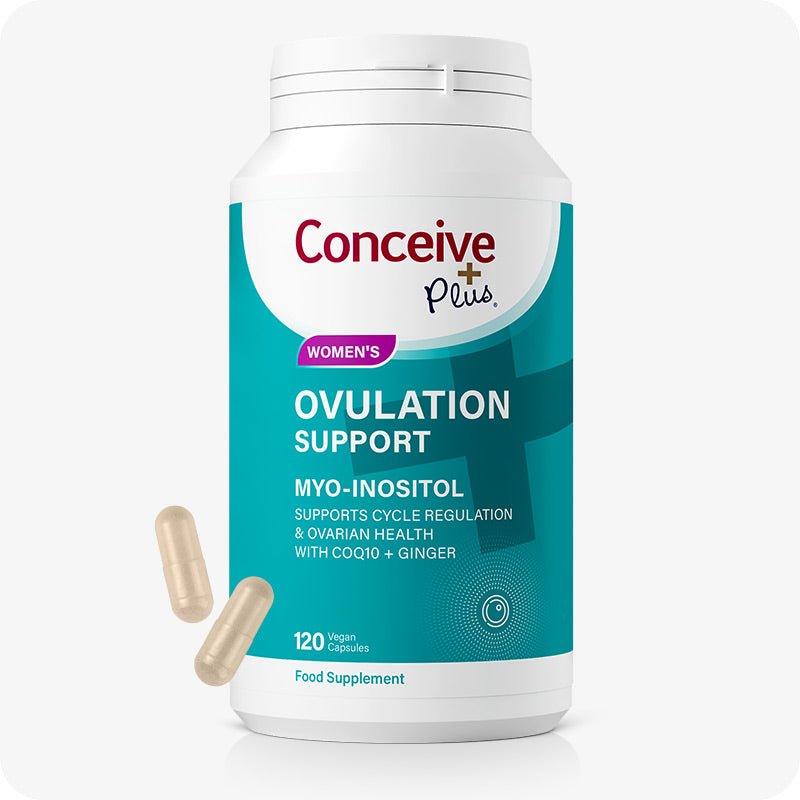
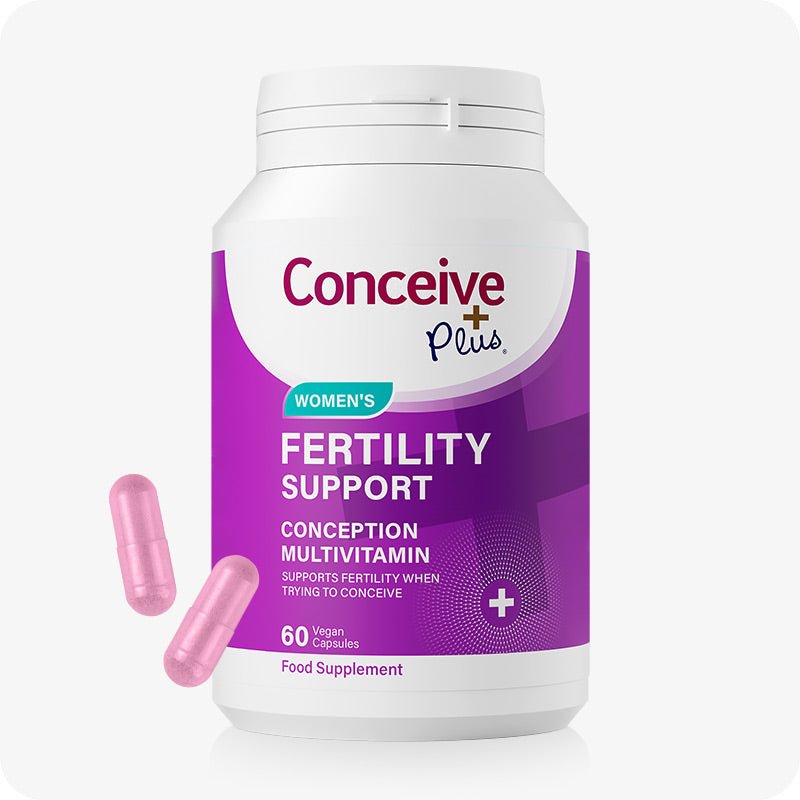
Yes. Conception requires both healthy sperm and healthy eggs. Supplementation for both partners addresses the 50% of infertility attributable to male factor and the 50% attributable to female factor, as well as the significant proportion where both contribute. The Conceive Plus his & hers supplement bundle addresses both.
Does alcohol affect male fertility significantly?
Yes. European research demonstrates a dose-dependent negative relationship between alcohol consumption and sperm quality, affecting concentration, volume, and morphology. Even moderate consumption is associated with reduced sperm quality compared to abstinence. Reducing alcohol intake is one of the most impactful lifestyle changes a man can make for fertility.
Take control of your sperm health. Conceive Plus men's fertility supplement is backed by European clinical research and trusted by couples across the continent. Combined with our fertility-friendly lubricant — pH-balanced and enriched with calcium and magnesium ions — Conceive Plus gives both partners the best possible start. Shop Conceive Plus EU →