IVF Preparation: How to Optimise Your Body Before Egg Retrieval


IVF Preparation: How to Optimise Your Body Before Egg Retrieval
Preparing your body for IVF is one of the most proactive things you can do to improve your chances of a successful outcome. While your clinic manages the medical protocol — stimulation, monitoring, retrieval — there is a meaningful 3–6 month window before your cycle begins where lifestyle and nutritional choices can significantly influence egg quality, embryo development, and implantation success.
This guide covers the evidence-based IVF preparation strategies widely discussed among European fertility specialists: nutritional support, clinically backed supplements, lifestyle factors, and the critical importance of the 90-day pre-cycle window.
Why the 90-Day Window Before IVF Matters
Eggs (oocytes) spend approximately 90 days maturing before they are ready for retrieval. During this period, the cellular environment within the follicle — including its nutrient supply, oxidative stress load, and mitochondrial health — directly shapes the quality of the egg that will be collected.
This means that choices you make 3 months before your egg retrieval date have a real impact on the eggs that will be retrieved. Starting IVF preparation the week before your protocol begins is too late to meaningfully influence egg quality. The 90-day window is the actionable period. For couples across Europe embarking on IVF — through public healthcare in France, Germany, Belgium, or the Netherlands, or through private clinics — understanding this timeline is the first step in proactive preparation.
CoQ10: The Most Evidence-Backed IVF Supplement
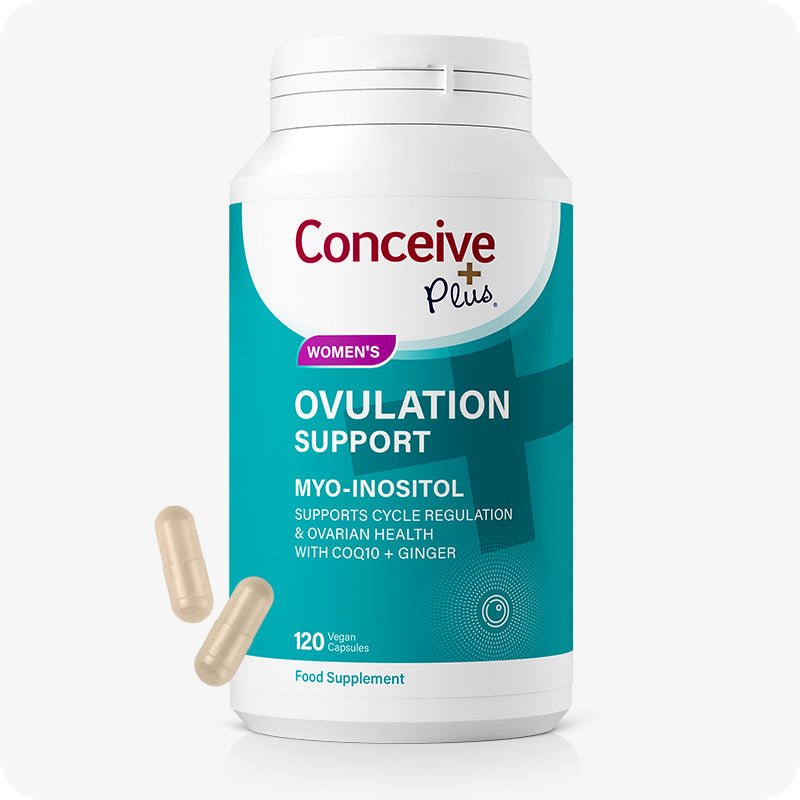
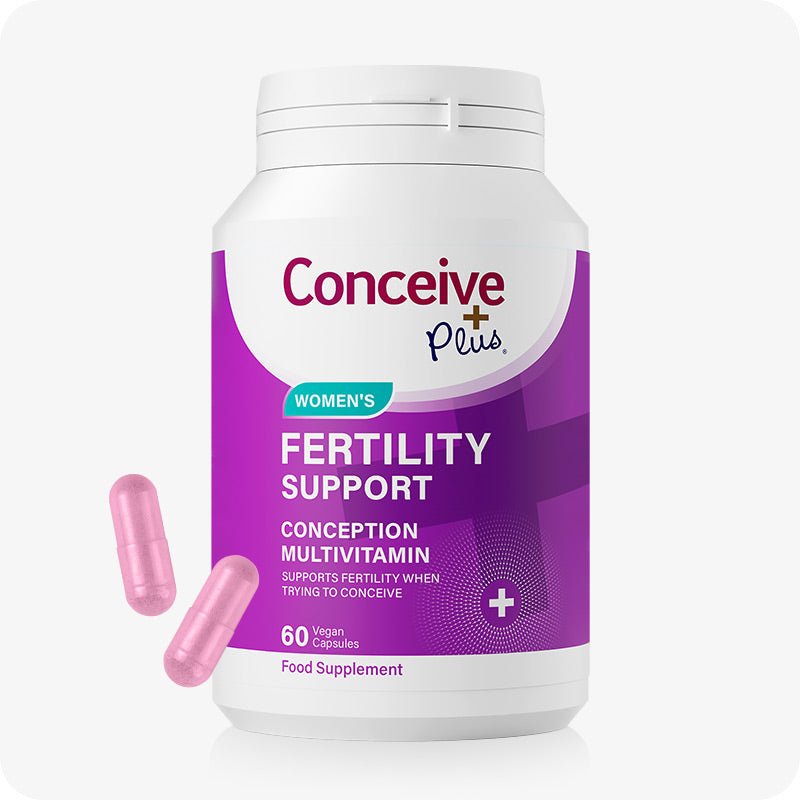
Ready to support your conception journey? Shop Conceive Plus Europe →
Coenzyme Q10 (CoQ10) has the most robust evidence base for IVF preparation. Eggs are extraordinarily energy-demanding cells — their mitochondria must produce the ATP required for fertilisation, cell division, and early embryo development. CoQ10 is a critical component of the mitochondrial electron transport chain.
Research published in Fertility and Sterility and Human Reproduction has shown that CoQ10 supplementation (400–600mg daily of ubiquinol, the reduced form) is associated with improved oocyte maturation rates, higher fertilisation rates, better embryo quality at day 3 and day 5, and potentially improved response to stimulation in poor responders.
The benefit is most pronounced in women over 35, whose endogenous CoQ10 production naturally declines. However, even younger women undergoing IVF benefit from optimising mitochondrial function. Start 3 months before your expected retrieval date. Use ubiquinol rather than ubiquinone for significantly better absorption.
Folate and B Vitamins: The Foundation
Folate is required for DNA synthesis in rapidly dividing cells — essential for healthy embryo development. Every European fertility specialist recommends preconception folate supplementation. The key nuance is the form: approximately 40–60% of the European population carries MTHFR gene variants that impair conversion of synthetic folic acid into the active form, 5-methyltetrahydrofolate. Taking methylfolate directly bypasses this conversion step and ensures bioavailability regardless of genetic variant. Many European preconception supplements now formulate with methylfolate as standard.
Standard dose is 400–800mcg daily; women with a history of neural tube defect-affected pregnancies are advised 5mg daily by their specialist. B12 (as methylcobalamin), B6, and choline are essential cofactors in folate metabolism and cell methylation.
Vitamin D: Critical and Frequently Deficient
Vitamin D deficiency is widespread across northern Europe, where sun exposure is insufficient for cutaneous synthesis for much of the year. Vitamin D receptors are expressed in granulosa cells (the cells that surround and nourish developing eggs), and vitamin D signalling is involved in follicular development.
Studies across IVF populations in Europe have found that women with adequate vitamin D levels (>30 ng/mL or >75 nmol/L) have significantly higher clinical pregnancy rates than deficient women — some studies report a two-fold difference. Test your vitamin D status and supplement to achieve optimal levels before your cycle. Supplementation of 1,500–4,000 IU daily is typical for deficient individuals.
Omega-3 Fatty Acids and Antioxidants
DHA and EPA are incorporated into cell membranes of developing eggs. Omega-3 supplementation has been associated with improved embryo quality and higher live birth rates in IVF, potentially through reducing follicular inflammation and supporting oocyte membrane fluidity. For those not regularly consuming oily fish, supplement with 1–2g combined DHA/EPA daily.
Key antioxidants for IVF preparation: Vitamin C (500–1,000mg daily), Vitamin E (200–400 IU), Alpha-lipoic acid (200–400mg), and N-acetyl cysteine/NAC (600mg) — which supports glutathione production and has shown efficacy comparable to metformin for PCOS in some trials. These combat the oxidative stress that can damage developing eggs.
Lifestyle Factors That Affect IVF Outcomes
ESHRE guidelines recommend abstaining from alcohol during IVF preparation. Even moderate alcohol is associated with lower egg retrieval rates and poorer embryo quality. Stopping smoking at least 3–6 months before a cycle is strongly recommended, as smoking accelerates ovarian ageing and reduces stimulation response.
Body weight: even modest weight normalisation (5–10% reduction in overweight women) can improve response to stimulation and embryo quality. Manage stress through mindfulness, yoga, or psychological support — widely available across European fertility networks. Prioritise sleep (7–9 hours); melatonin produced during deep sleep has antioxidant properties and is found in follicular fluid.
Fertility Lubricant During IVF Preparation
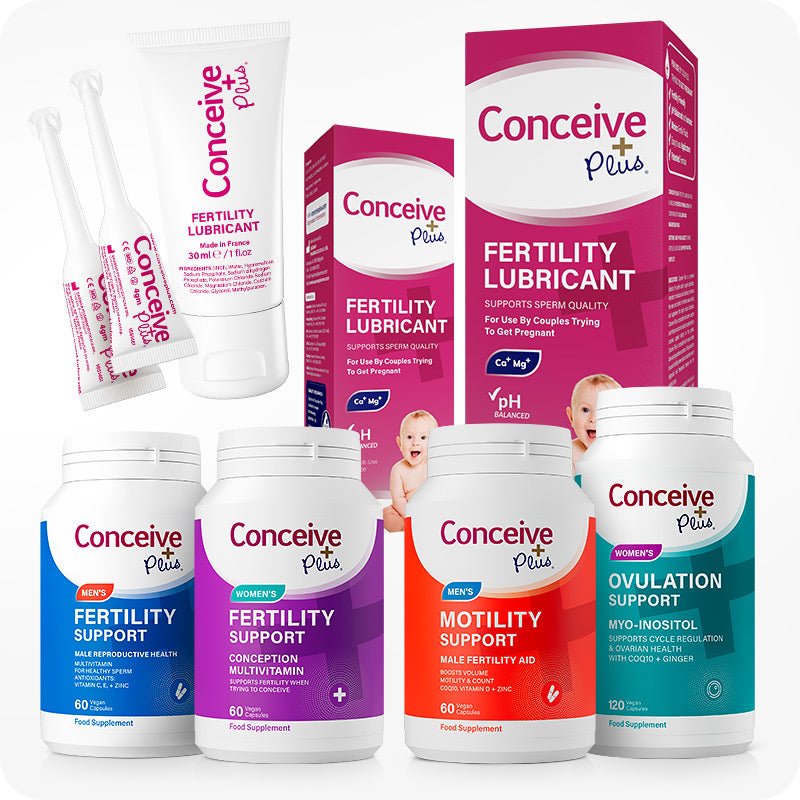
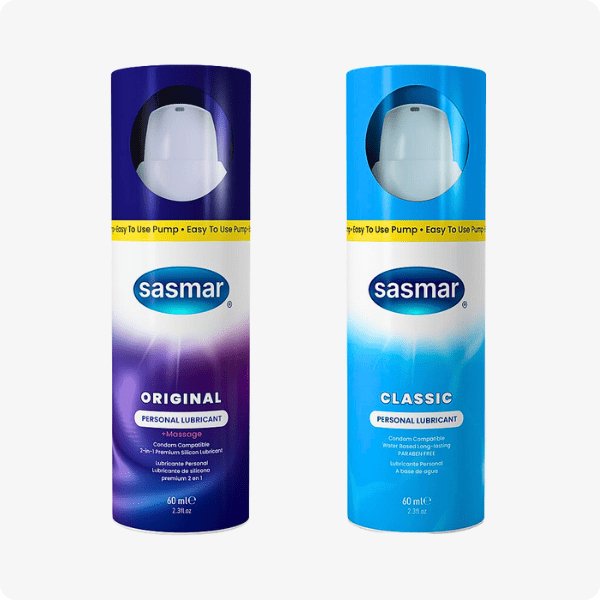
Couples who are trying naturally in the cycles before their retrieval should avoid conventional lubricants, which compromise sperm viability. Conceive Plus fertility lubricant is specifically formulated to be sperm-safe — with calibrated pH, optimised osmolality, and calcium-magnesium ions that support the sperm capacitation process. Many European fertility clinics recommend it for patients in natural TTC cycles and for use during IUI protocols.
Partner Preparation: Often Overlooked
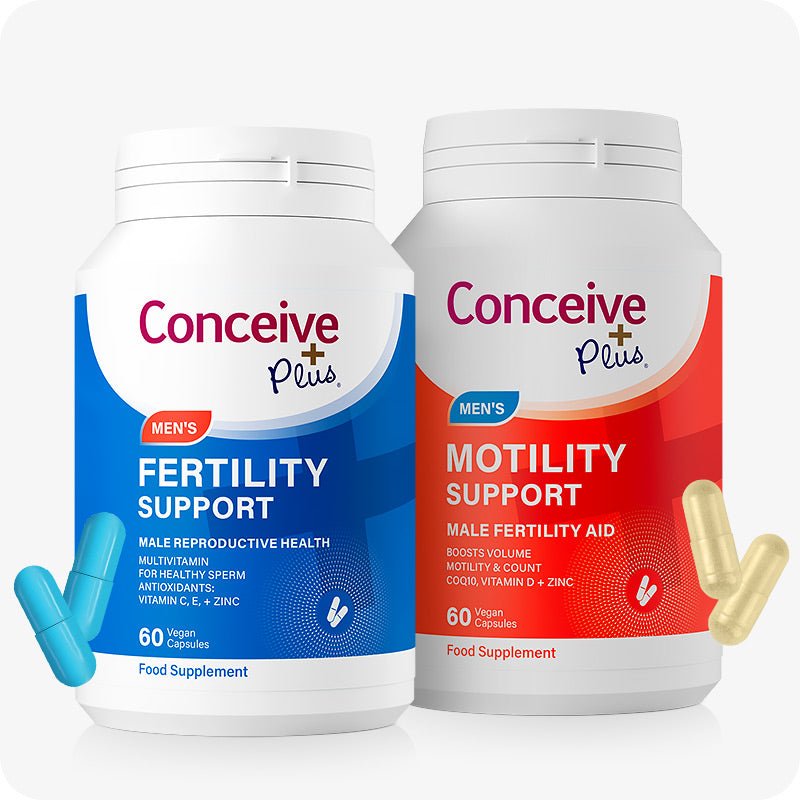
IVF outcomes depend on both egg and sperm quality. Sperm takes 74 days to mature. The 90-day window applies equally to male partners. Key male IVF preparation strategies: CoQ10 (200–400mg daily) for sperm motility and DNA integrity; zinc and selenium for sperm production; vitamin C and E for antioxidant protection; avoiding heat exposure; stopping smoking and limiting alcohol. Sperm DNA fragmentation testing is increasingly offered by European clinics for couples with unexplained IVF failures.
Frequently Asked Questions
Q: When should I start IVF preparation supplements?
A: Ideally 3 months (90 days) before your planned egg retrieval. If your timeline is shorter, start immediately — even 4–6 weeks of optimisation is better than none.
Q: Can I take all these supplements together?
A: Most can be combined safely. Always disclose all supplements to your fertility clinic, as some may interact with stimulation medications. Your clinic may advise pausing certain supplements during the stimulation phase.
Q: Does DHEA help with IVF?
A: DHEA is used in some European clinics for poor responders. It should only be taken under specialist guidance as it is a hormone precursor with potential side effects and requires monitoring.
Q: Is acupuncture evidence-based for IVF?
A: The evidence is mixed. Some studies show modest benefit; others show no effect. If you find it helpful and affordable, it's generally considered safe alongside conventional IVF treatment.
Q: Should I avoid exercise during IVF?
A: Moderate, low-impact exercise (walking, yoga, swimming) is fine and beneficial for stress management. High-intensity exercise during stimulation should be avoided due to OHSS risk.
Q: Do supplements guarantee IVF success?
A: No. IVF success depends on many factors. Supplements optimise the cellular environment but cannot overcome all biological obstacles. Think of them as part of a comprehensive preparation strategy, not a guarantee.
Q: What about melatonin for IVF?
A: Melatonin is present in follicular fluid and has antioxidant properties. Some small studies suggest 3mg nightly may improve embryo quality. Discuss with your clinic before adding melatonin, as timing relative to your protocol matters.
Q: Where can I buy Conceive Plus in Europe?
A: Directly from conceiveplus.eu with delivery across European markets.
Q: Which European countries have IVF publicly funded?
A: Public IVF funding varies significantly. France, Belgium, and the Netherlands offer substantial public funding. Germany offers partial funding. Check with your local health insurer for current entitlements before pursuing private treatment.
Q: Is the fertility diet different during the IVF stimulation phase?
A: During stimulation, maintain the anti-inflammatory, antioxidant-rich diet. Some clinics advise increasing protein and reducing high-GI foods during this phase. Avoid alcohol completely. Stay well-hydrated, particularly given OHSS risk in PCOS patients.
Trusted by fertility clinics and couples worldwide
Shop Conceive Plus Europe →