Fertility Supplements for Women: What the Evidence Says in 2026


Fertility Supplements for Women: What the Evidence Says in 2026
The market for fertility supplements for women has exploded in recent years, with thousands of products making bold promises about improving egg quality, supporting ovulation, and increasing the chances of conception. But what does the science actually say? Which supplements have solid clinical evidence behind them, which are overhyped, and which truly deserve a place in your preconception routine? This comprehensive guide cuts through the noise to bring you an evidence-based assessment of the most important fertility supplements for women in 2026.
Folate (Methylfolate): The Non-Negotiable Foundation for Women's Fertility
If there's one fertility supplement every woman trying to conceive should take, it's folate. This B vitamin plays an irreplaceable role in DNA synthesis and cell division — both fundamental to egg development, fertilisation, and embryonic growth in the earliest stages after conception.
The well-established recommendation is to begin supplementing with at least 400 mcg of folate daily at least one month before attempting conception. Higher doses (800 mcg to 5 mg) may be recommended for women with previous neural tube defect-affected pregnancies, certain genetic variants, or use of medications that interfere with folate metabolism.
A critical distinction that matters for fertility supplements for women: not all folate is equal. Synthetic folic acid (the form in many cheaper supplements) must be converted by the body to the active form (5-methyltetrahydrofolate or 5-MTHF) before it can be used. Approximately 40% of the European population carries a variant of the MTHFR gene that reduces this conversion efficiency. For these women, taking methylfolate directly — rather than folic acid — ensures adequate active folate reaches reproductive tissues.
Beyond neural tube protection, folate is involved in homocysteine regulation. Elevated homocysteine is associated with impaired egg quality, embryo development problems, and increased miscarriage risk. Adequate methylfolate keeps homocysteine in a healthy range, supporting better reproductive outcomes.
Coenzyme Q10 (CoQ10): The Evidence-Based Egg Quality Supplement
💊 Ready to Support Your Fertility Journey?
Conceive Plus offers clinically formulated fertility supplements trusted by couples worldwide. Explore Our Fertility Supplements →
CoQ10 has emerged as perhaps the most well-evidenced supplement for egg quality — a concept that matters enormously for IVF outcomes, conception success, and chromosomal health of embryos. CoQ10 serves two critical functions in egg cells (oocytes): it acts as an antioxidant, protecting against oxidative damage during the long final maturation process, and it's an essential cofactor in mitochondrial energy production.
Egg cells are uniquely metabolically demanding — each mature egg contains approximately 200,000 mitochondria, vastly more than any other cell in the body. This is because chromosome segregation during meiosis (the process that determines chromosomal normality of eggs) requires enormous amounts of ATP. When mitochondrial function is impaired — as occurs naturally with age and with CoQ10 depletion — chromosome segregation errors increase, leading to aneuploid (chromosomally abnormal) eggs.
A landmark 2015 study published in Aging Cell demonstrated that CoQ10 supplementation in older mice improved egg quality and live birth rates dramatically. Subsequent human studies have shown improvements in ovarian response in IVF, better fertilisation rates, and improved embryo quality with CoQ10 supplementation.
The recommended dose for fertility purposes is typically 200–600 mg daily of ubiquinol (the reduced, more bioavailable form) or 400–1,200 mg of ubiquinone. CoQ10 supplementation for egg quality should begin at least 3 months before planned conception or IVF retrieval to allow time to improve the mitochondrial environment in developing eggs.
Myo-Inositol: Essential for Women With PCOS and Cycle Irregularity
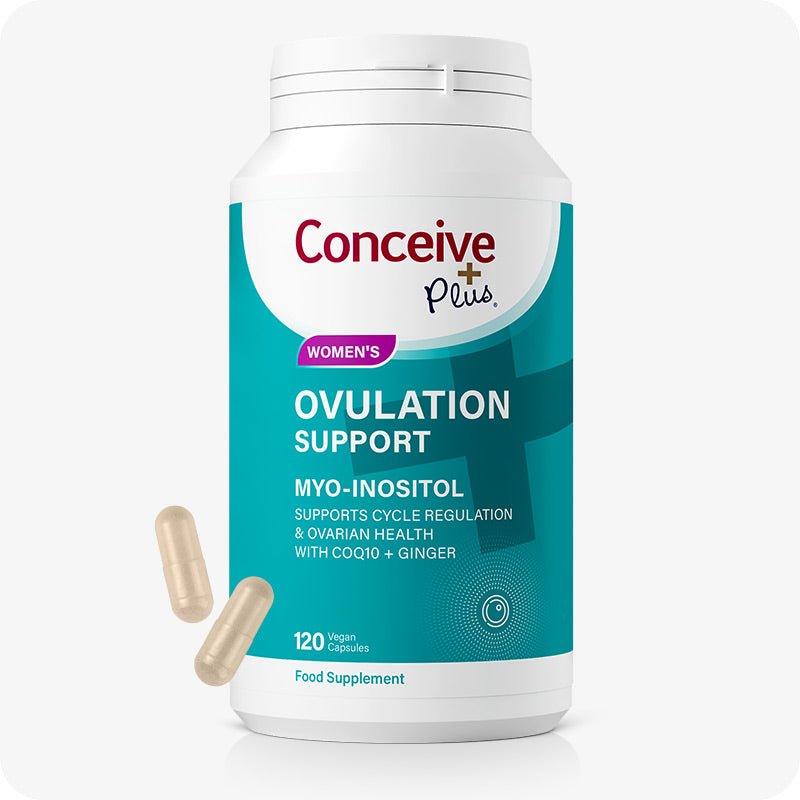
Myo-inositol has become one of the most prescribed natural interventions for women with polycystic ovary syndrome (PCOS) — and its evidence base is genuinely impressive. Inositol is a natural compound involved in insulin signalling and FSH (follicle-stimulating hormone) sensitivity in the ovaries.
Women with PCOS typically have insulin resistance in their ovarian tissue, which disrupts the normal hormonal environment needed for regular ovulation. Myo-inositol has been shown in multiple randomised controlled trials to improve insulin sensitivity in ovarian tissue, reduce androgen levels, support more regular ovulation, and improve egg quality in IVF cycles.
The most studied formulation is myo-inositol combined with D-chiro-inositol (DCI) in a 40:1 ratio (reflecting the natural ratio in ovarian tissue). Studies using this combination show significant improvements in cycle regularity, ovulation frequency, and pregnancy rates in PCOS patients — with efficacy comparable to metformin in some trials, but with a much better side effect profile.
Even for women without PCOS, myo-inositol appears to support FSH receptor sensitivity and oocyte maturation. It's increasingly included in comprehensive fertility supplements for women as a broadly supportive ingredient for ovarian function.
Comprehensive Fertility Support for Women
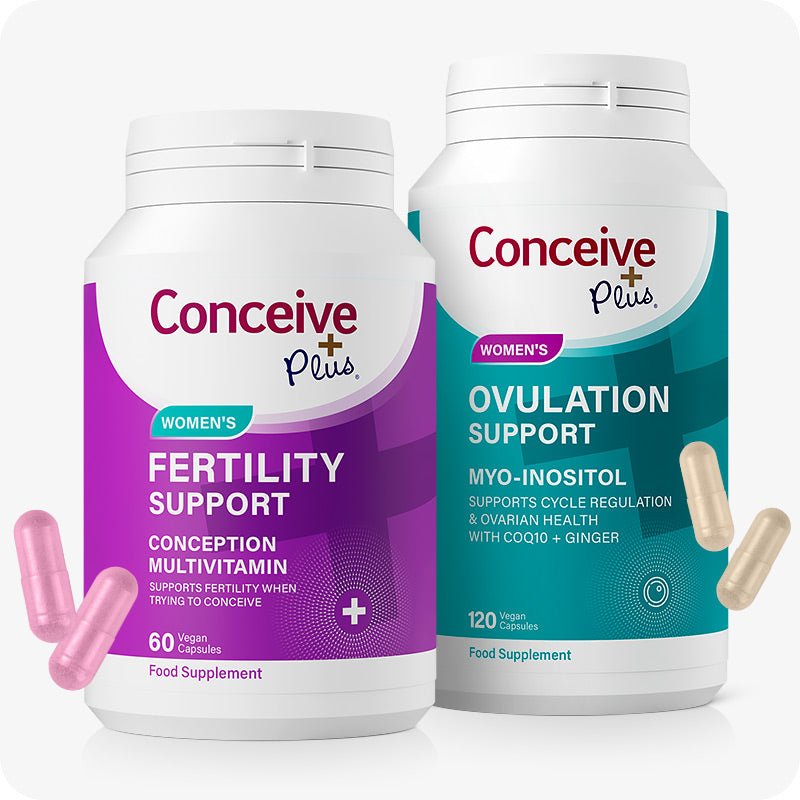
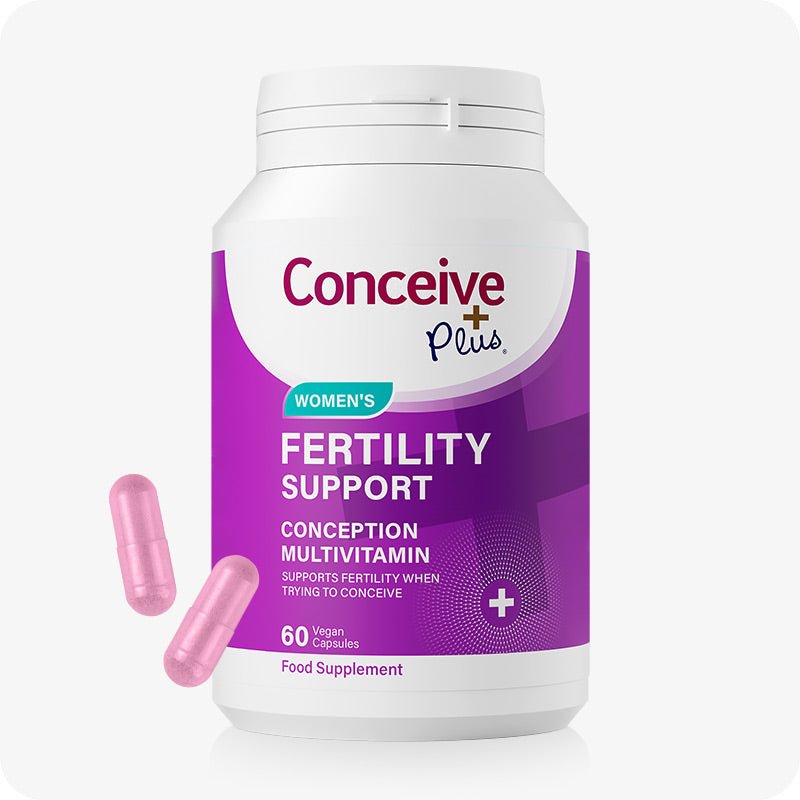
Conceive Plus Women's Fertility Support is formulated with key evidence-based nutrients including methylfolate, CoQ10, and vitamin D to support reproductive health from preconception through early pregnancy.
Explore Women's Fertility Supplements →
Vitamin D: The Hormone-Like Fertility Vitamin
Vitamin D functions more like a hormone than a typical vitamin — it has receptors in ovarian tissue, the uterine lining, and the placenta, and it directly influences reproductive processes at each of these sites. Despite this importance, vitamin D deficiency is among the most common nutritional deficiencies in European women, with studies suggesting 40–70% of women in Central and Northern Europe have insufficient levels, particularly in winter months.
Research consistently shows that vitamin D sufficiency is associated with better fertility outcomes: higher pregnancy rates in IVF cycles, better implantation rates, improved embryo quality, and lower rates of polycystic ovary syndrome severity. A 2020 meta-analysis of 11 studies found that women with optimal vitamin D levels (>30 ng/mL) had significantly higher clinical pregnancy rates compared to deficient women.
Vitamin D also supports immune tolerance of the embryo — a key factor in preventing early pregnancy loss in women with recurrent miscarriage. Optimising vitamin D before and during early pregnancy addresses both fertility and early pregnancy support simultaneously.
The recommended approach is to test your 25(OH)D serum level (available through a GP or private test) and supplement accordingly. Most European women need 1,000–2,000 IU/day as a maintenance dose to maintain sufficient levels, with higher doses (4,000–5,000 IU) needed to correct established deficiency under medical supervision.
Omega-3 Fatty Acids: Supporting Egg Quality and Reproductive Hormones
Omega-3 fatty acids — particularly DHA (docosahexaenoic acid) and EPA (eicosapentaenoic acid) — play essential roles in reproductive health that go far beyond their general health benefits. In the ovaries, DHA is incorporated into egg cell membranes, where it influences membrane fluidity and receptor function. In the uterus, omega-3s help modulate prostaglandin pathways, supporting the endometrial environment needed for implantation.
Clinical research shows that women with higher omega-3 intake have better embryo quality in IVF, higher pregnancy rates, and lower risk of preterm birth. A study of 384 women undergoing IVF found that those with higher DHA levels had significantly higher rates of blastocyst formation and euploid (chromosomally normal) embryos.
For women not eating 2–3 servings of oily fish weekly, a high-quality fish oil or algae-based omega-3 supplement providing 500–1,000 mg of combined EPA/DHA daily is recommended. Algae-based omega-3 is the preferred option for vegetarians and vegans — it provides DHA directly without requiring conversion from ALA.
Iron: Supporting Ovulatory Function and Early Pregnancy
Iron deficiency is the most prevalent micronutrient deficiency in women of reproductive age across Europe. Beyond its role in preventing anaemia, non-haem iron (from plant sources) has been specifically associated with a lower risk of ovulatory infertility in large-scale fertility research.
The Nurses' Health Study II found that women with the highest non-haem iron intakes had a 40% lower risk of ovulatory infertility compared to those with the lowest intakes. Adequate iron supports the hormonal environment needed for regular ovulation and is essential for the rapid cell division that occurs immediately after fertilisation.
Women trying to conceive should have ferritin levels checked — low ferritin (below 30 ng/mL) warrants supplementation even if haemoglobin is normal. Choosing a gentle iron supplement formulated with vitamin C (which enhances absorption) and avoiding supplementation with calcium (which inhibits absorption) at the same time optimises benefit.
N-Acetyl Cysteine (NAC): Emerging Evidence for Egg Quality and Implantation
N-acetyl cysteine is a precursor to glutathione — the body's most powerful endogenous antioxidant — and is attracting increasing research interest for female fertility applications. Studies have explored NAC for improving ovulation in PCOS (showing results comparable to metformin in some trials), reducing recurrent miscarriage risk in women with elevated homocysteine, and supporting endometrial thickness and implantation in assisted reproductive technology cycles.
While NAC isn't yet as firmly established as folate or CoQ10, the evidence base is growing rapidly. Doses of 600–1,200 mg daily are most commonly studied. As with all fertility supplements for women, consult with a healthcare provider before beginning supplementation.
What to Look for in a Quality Fertility Supplement for Women
Not all fertility supplements for women are created equal. When evaluating a product, look for:
- Methylfolate (5-MTHF) rather than folic acid — particularly important if MTHFR variant status is unknown
- Ubiquinol CoQ10 rather than ubiquinone — significantly better absorbed, especially in women over 35
- Chelated minerals (bisglycinate, citrate forms) rather than oxides — better absorbed and gentler on digestion
- Adequate vitamin D dose — many supplements provide only 400 IU, which is insufficient to correct deficiency
- Iodine inclusion — often overlooked but essential for thyroid function and early fetal brain development
- Third-party testing for contaminants and label accuracy
Conceive Plus women's fertility supplements are formulated with these quality markers in mind, offering evidence-based nutritional support for women across the European Union trying to conceive.
Frequently Asked Questions: Fertility Supplements for Women
Q: When should I start taking fertility supplements before trying to conceive?
A: Ideally, begin at least 3 months before you start actively trying. This gives CoQ10 and other nutrients time to build up and improve the quality of eggs that are currently in their maturation cycle.
Q: Can I continue taking fertility supplements if I get pregnant?
A: Many ingredients in fertility supplements — particularly folate, vitamin D, iodine, omega-3, and iron — are also beneficial during early pregnancy. However, some ingredients (like high-dose herbs or certain antioxidants) should be reviewed for pregnancy safety. Transition to a pregnancy-specific prenatal supplement once confirmed pregnant.
Q: Is CoQ10 really worth taking for egg quality?
A: Yes — CoQ10 has among the strongest evidence of any supplement specifically targeting egg quality, particularly for women over 35 or those preparing for IVF. The evidence is not yet sufficient to make definitive claims about clinical pregnancy rates, but the biological rationale and observational data are compelling enough that many fertility specialists now routinely recommend it.
Q: Are there any fertility supplements to avoid?
A: High-dose vitamin A (as retinol — not beta-carotene) should be limited during preconception and pregnancy. Herbal supplements including dong quai, black cohosh, and large doses of vitex require careful consideration and ideally medical guidance during the preconception period. Always disclose all supplements to your healthcare provider.
Q: Do I need to take separate supplements or can I find them combined?
A: A quality comprehensive fertility supplement for women will contain most of the key nutrients in appropriate doses. However, some nutrients — particularly CoQ10, omega-3, and vitamin D — may need to be taken separately at higher doses than typical multivitamins provide if specific concerns apply to you.
Q: How long do fertility supplements take to work?
A: Allow a minimum of 3 months for most nutrients to reach optimal tissue concentrations. CoQ10 and other mitochondrial supporters need at least this long to improve the biochemical environment in developing eggs. Don't judge effectiveness before completing a full 3-month trial.
Q: Can fertility supplements help with unexplained infertility?
A: There's emerging evidence that nutritional deficiencies and oxidative stress contribute to a proportion of cases labelled as "unexplained." Correcting nutritional status, reducing oxidative stress, and supporting ovarian function through targeted supplementation is a reasonable strategy while investigating underlying causes with a specialist.
Q: Should I take different supplements for IVF compared to natural conception?
A: Many fertility specialists recommend higher CoQ10 doses (400–600 mg ubiquinol) and more intensive antioxidant support in the months leading up to IVF retrieval to optimise the egg quality of the cohort that will be stimulated. Your fertility clinic will provide specific protocol guidance.
Q: Are European fertility supplements the same quality as UK or US products?
A: Quality varies by brand, not geography. Look for GMP (Good Manufacturing Practice) certification, third-party testing certificates, and transparent labelling of active forms used. Conceive Plus products meet high-quality manufacturing standards and use bioavailable nutrient forms.
Q: Can my partner benefit from fertility supplements too?
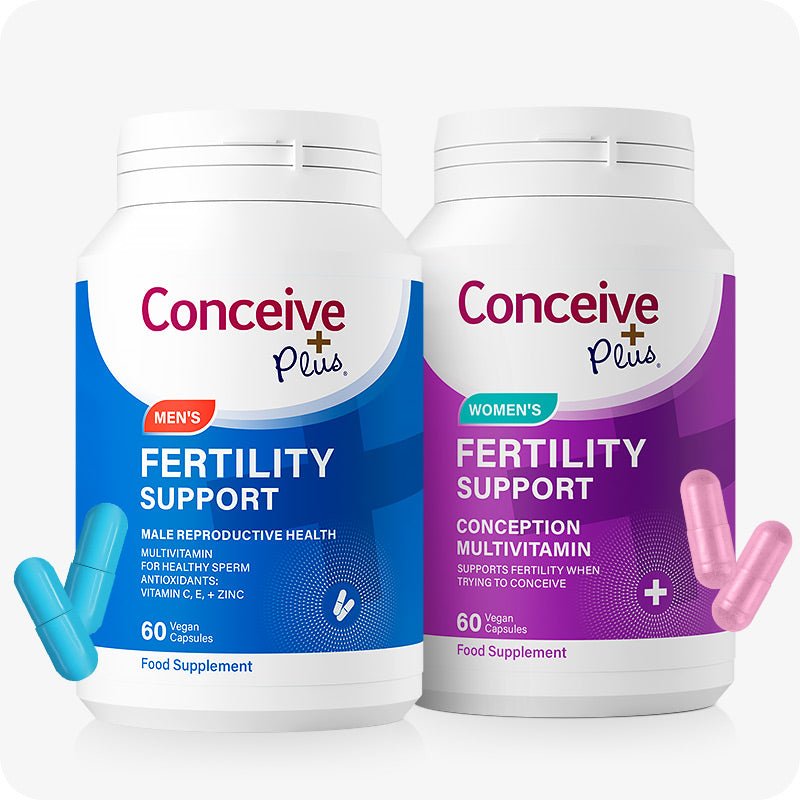
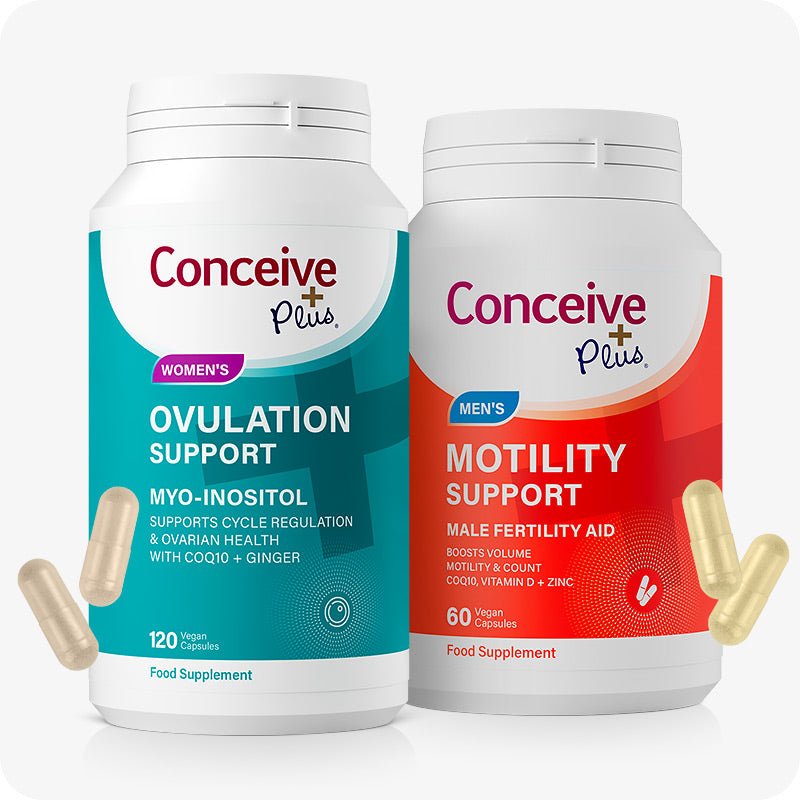
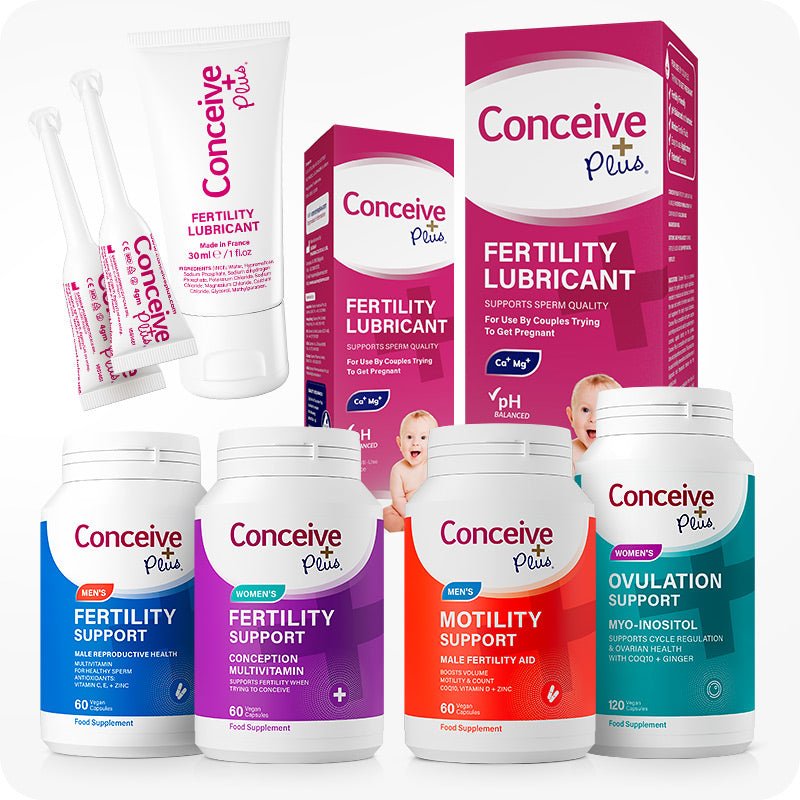
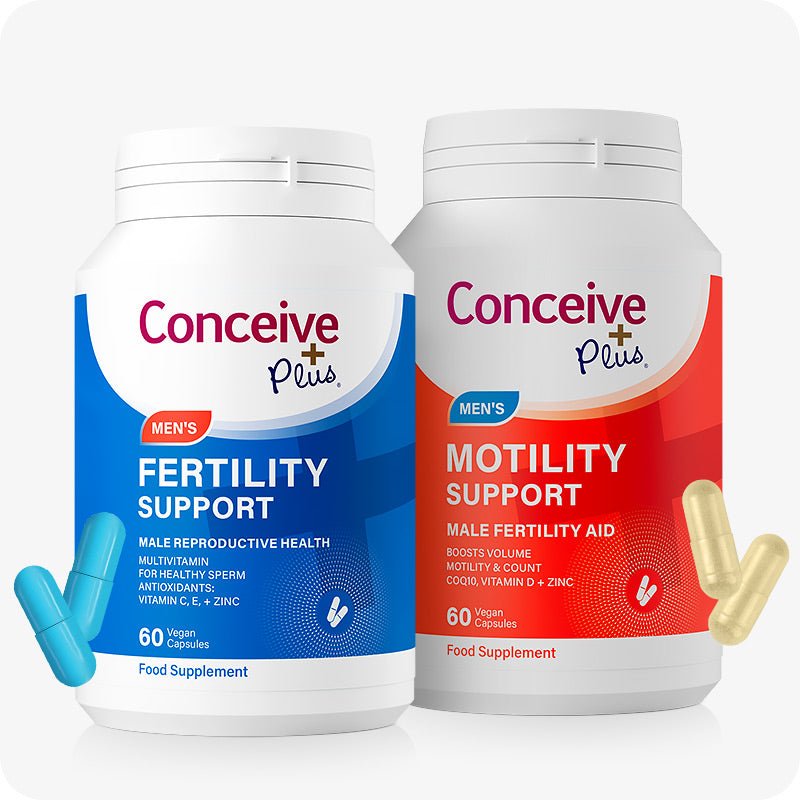
A: Yes — male factor contributes to approximately 40–50% of fertility challenges. Men benefit significantly from antioxidant-focused supplements with zinc, selenium, CoQ10, and L-carnitine to support sperm health. Conceive Plus offers comprehensive men's fertility supplements alongside the women's range.
🌿 Start Your Conceive Plus Journey Today
Join thousands of couples who trust Conceive Plus for evidence-backed fertility support. Shop All Conceive Plus Products →